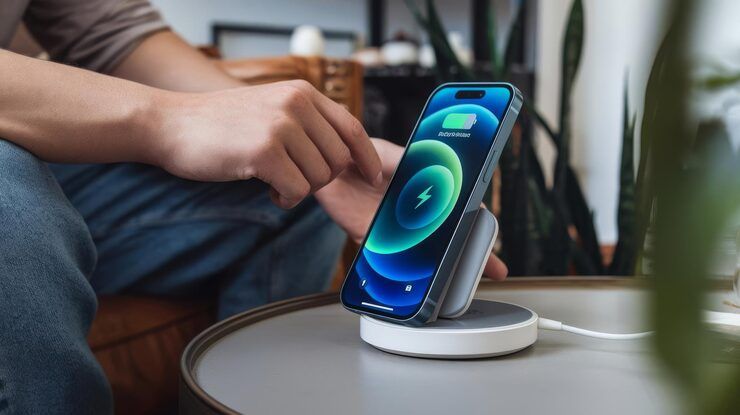
Adaptive charging technology is a smart power management approach designed to improve battery health, safety, and efficiency in modern electronic devices. It adjusts charging speed and patterns based on user behavior, battery condition, and environmental factors. This innovation is widely used in smartphones, laptops, and other portable electronics to balance performance and longevity.
When gadgets lean harder on speed-charging tech, smart control shifts from optional to necessary. Because modern phones push power limits, heat risks rise - unless safeguards step in early. Instead of raw speed alone, clever charging adjusts flow based on real-time need. This means faster top-ups happen only when safe, skipping aggressive bursts if temps climb. While convenience stays high, protection kicks in behind the scenes. So even under heavy demand, battery strain drops without slowing user experience.
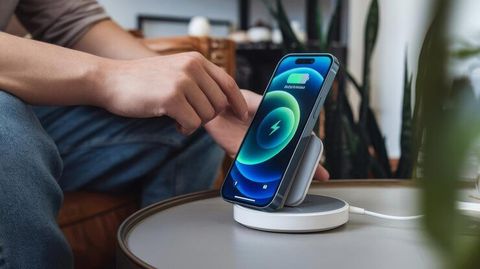
Adaptive Charging adjusts power based on usage patterns
Most mornings, your phone checks how you’ve been using it lately. Charging shifts pace depending on patterns caught by tiny built-in trackers. When fullness nears a tipping point, power flow eases off like a winding road. Speed dips happen even if plugged in - no rush to finish. What matters is timing matched to behavior, not fixed rules.
Most of the time, the process for smart battery charging goes like this:
- Detects user charging patterns (such as overnight charging)
- Gets fast to some level, say around seventy or eighty percent
- Charging takes a breather now and then, easing off to help the battery last longer
- Charging finishes right when you’re about to grab the gadget
One way Android handles power is by watching when someone usually gets up, then timing the charge to finish just right. On iPhones, smart software studies habits too, adjusting how fast it fills to keep the battery strong longer.
Adaptive Charging Technology Matters
Most gadgets struggle with weakening batteries as they age. Staying hooked to quick chargers often means too much heat and pressure on the cell. That kind of stress chips away at longevity bit by bit. Smarter charging steps in when it sees patterns - slowing down before things get risky. It watches, learns, then adjusts without being told.
Key benefits include:
- Slowing down wear helps batteries last longer because fewer deep charges happen over time
- Stops things from getting too hot when power flows for a long time
- Improves energy efficiency
- Enhances user convenience through automation
Energy moves smarter now. Because gadgets charge quicker through adaptors, safety stays high even when speed increases. These smart setups adjust on their own. Not every system works the same way. Some respond faster than others. Still, power gets where it needs to go - without risk rising. Performance holds steady while changes happen behind the scenes.
Real-World Applications
Most fields rely on adaptive charging, yet it shows up in surprising gadgets too. Devices everywhere adjust power flow, simply because needs change over time. Even quiet sectors apply this, since batteries respond better when timing shifts. Tech adapts - slow here, fast there - and keeps working without fuss.
Smartphones
- Overnight, smart devices tweak their power flow. Some phones shift how they refill their cells slowly. Lithium units stay safer when charge speed changes. Androids adjust automatically through built-in routines. iPhones do similar by watching battery behavior. Power tops off later in the cycle. This happens while users sleep. Protection kicks in based on usage patterns. Charging pauses partway sometimes. Then it finishes close to morning.
- These days, some laptops adjust how they charge based on your usage, because staying at 100 percent all the time wears down batteries faster.
Electric Vehicles
- Charging patterns shift on their own in electric cars, helping stretch the life of the battery while keeping charge routines efficient. Instead of fixed timing, adjustments happen based on usage, slowing wear over time.
- Mini batteries in smartwatches charge quickly because they adjust power needs on the go. Efficiency comes from how these devices manage energy, not just size.
Adaptive Charging Fixes Battery Wear and Energy Waste
Most older ways of charging cause problems like these
- Battery overheating
- Reduced battery capacity over time
- Energy inefficiency
- Overcharging risks
Smart charging adjusts itself to fix such issues by
- Regulating fast charger power output
- Preventing prolonged exposure to 100% charge
- Adjusting charging speed dynamically
- Reducing unnecessary energy consumption
Adaptive Charging adjusts power based on usage patterns
Intelligent Charging Algorithms
- Learn user habits and optimize charging schedules
- Monitors temperature and adjusts charging speed
- Balances fast chargers for phones with battery safety
Works With Today's Chargers
- Plugs into a C-port charger that runs quick power. It hooks up using USB-C Power Delivery too. This setup links through modern charging tech found in many devices today
- Tracks long-term battery performance and degradation
Recent Trends And Developments 2025 To 2026
Adaptive charging technology continues to evolve with new innovations:
- In 2025, major smartphone manufacturers enhanced adaptive charging android systems with AI-based predictive learning
- Smartphone battery updates tap into system settings more closely, improving how precisely they manage energy flow throughout the day. A closer link with operating software fine tunes when to speed up or slow down charging cycles. This adjustment happens quietly while you use your device normally. Changes roll out through regular system upgrades without needing extra steps. Charging behavior learns patterns over time rather than following fixed rules
- Now charging runs faster since updates to USB-C changed how power moves through c ports. Efficiency jumped because the newer standard handles energy better. What happens is speed improves without needing extra parts. This shift made devices ready quicker than before. Power delivery got smarter with these tweaks. Updates shaped a smoother experience overall
- Back in 2026, a new way to track battery life started showing up. Devices began changing how they charge by watching patterns over time. Instead of guessing, they used smart checks that learned from past wear. This shift came from deeper number tracking built right into systems. Over months, small adjustments added up quietly behind the scenes
- When linked to smart systems, gadgets can charge during off-peak hours. These setups adjust timing based on household usage patterns. Charging shifts happen without manual input. Power draw drops when demand is low across the network. Devices respond to signals sent by central hubs. Efficiency improves simply by syncing routines. Timing tweaks follow real-time feedback loops. Energy flow matches availability throughout the day
Out of nowhere, progress has begun favoring sharper ways to handle energy without wasting it. Power now flows with clearer purpose, shaped by choices that last longer than quick fixes ever did.
Regulations and Standards
Adaptive charging operates within several global standards and safety regulations:
- USB Power Delivery (USB-PD) ensures safe power transfer in modern chargers
- Battery safety follows rules set by the International Electrotechnical Commission. These guidelines shape how devices store and manage power safely across borders
- Environmental regulations promote energy-efficient charging systems
- Device manufacturers follow strict thermal and voltage safety protocols
Because safety matters, these structures keep adaptive charging steady without wasting power. Built tough, they help the system run smooth while staying efficient over time. Even under stress, protection stays strong through smart design choices.
Tools and platforms that help
Tools exist that guide people through adaptive charging. Some apps show how devices learn usage patterns. A few systems track battery wear over time. Others suggest timing for better charge cycles. Platforms sometimes highlight energy savings. Certain interfaces reveal background processes affecting power. Developers might explore logs to tweak performance. Each option offers a peek into smart charging behavior
Battery Monitoring Tools
- AccuBattery (Android)
- CoconutBattery (macOS)
- Android Battery Manager APIs
- iOS Battery Health Framework
Hardware Solutions
- Smart adaptor charger fast charging systems
- USB-C Power Delivery controllers
- Manufacturer documentation
- Electronics engineering courses
- Energy management research papers
FAQs
Charging that changes pace depending on your habits - this one shifts speed when needed?
Charging that learns your habits slows down when needed, yet standard charging pushes full power all the time. How a phone uses energy shapes how adaptive systems respond, whereas fixed methods ignore wear or routine. Sometimes it holds back to protect lifespan - regular mode does not care. Past behavior guides smarter timing; meanwhile, basic charging repeats the same way every day.
Does adaptive charging slow down fast charging?
Charging might take a bit longer now and then, yet the system kicks into high gear when required - keeping things quick without wearing down the battery. Speed adjusts where necessary, though power delivery stays smart and responsive, matching demand while protecting longevity.
Some phones include adaptive charging. Others do not have it built ?
Some newer phones come with smart charging tools made for Android devices; others include similar tricks built into iPhones. Not every version has it - depends on the make.
Does changing how a phone charges help the battery last longer?
Over time, less heat and fewer overcharge moments mean a longer-lasting battery - adaptive charging makes that happen. A slower drain today can lead to better performance months down the line. This method adjusts itself, so peak strain stays low. Longevity shows up quietly, through small changes each cycle. One day you notice it simply holds charge better than before.
Most phones handle adaptive charging just fine without extra gear?
Charging adapts smoothly when paired with a phone that supports quick power delivery, especially if it uses a c port alongside PD-ready tech. While some cables fail here, others handle the shift just fine - compatibility makes the difference.
Conclusion
Charging smarts have taken a leap forward, changing how gadgets handle energy. Instead of rushing juice into cells nonstop, slower bursts keep things safe when needed. Because people lean hard on quick top ups plus long lasting packs these days, clever circuits step in quietly. They smooth out drain and refill patterns across hours, making wear predictable even during heavy use. Efficiency climbs without fanfare simply by pausing at smart moments throughout the day.
Nowhere else has tech evolved so fast as in smart charging, where gadgets learn your habits through AI smarts. Because newer phones and laptops speak the same language via USB-C, they adjust power on their own - no guesswork needed. When you plug in, tiny decisions happen behind the scenes that slow down juice flow at just the right moment. Pick the wrong cable or brick, though, and those clever tricks vanish into thin air. Safety slips. So does battery health over time. Not every wire behaves the same, even if it fits. Hidden rules govern who plays nice with whom. Matching pieces correctly means fewer surprises later. Life runs smoother when parts understand each other from the start.