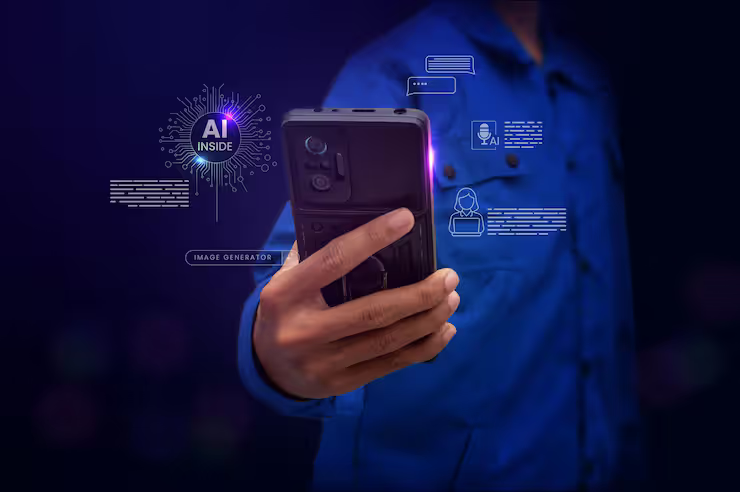
Artificial intelligence (AI) is transforming the way people communicate through mobile devices and wireless networks. AI in mobile communication refers to the use of intelligent algorithms, machine learning models, and automated systems to improve mobile connectivity, network management, user experiences, and communication efficiency.
Phones now handle tons of information using artificial intelligence, linking features like talking helpers with sharper message systems. Instead of just sending signals, networks think ahead, adjusting on their own as demands shift. Smarter connections emerge when learning algorithms guide how people interact daily. These tools shape responses before users even ask, blending into background tasks. Intelligence hides inside updates, call routing, even battery use - working without notice. What once required manual tweaks now runs by pattern recognition alone.
Most times you’ll find artificial intelligence helping phones work better, staying steady under pressure while quietly cutting down on system headaches. It shapes how apps feel, tailoring interactions without making a show of it. Smarter responses come through behind the scenes, slipping into place where needed. Little by little, things just fit closer to what users actually do.
AI in Mobile Communication Explained Simply
From user actions to network signals, AI gathers information flowing through apps and gadgets. Patterns start showing up when these systems learn over time - guesses get made, choices happen without a person stepping in.
Usually, It Goes Like This
- Data collection from mobile devices and networks
- Pattern recognition using machine learning algorithms
- Real-time analysis of communication activities
- Automated optimization of network performance
- Intelligent recommendations and personalized experiences
- Continuous learning from new data
Communication networks tweak themselves using AI when things shift. When odd patterns pop up, they get flagged fast by smart systems. Call clarity climbs because decisions happen on the fly. Efficiency across channels rises without constant human oversight.
AI Mobile Communication Key Parts
- Learning machines spot trends while boosting forecast accuracy.
- Voice helpers work because language software understands speech.
- Future usage gets guessed through analysis of past actions.
- Information moves quicker when handled near the device.
- Pictures gain meaning once systems learn to see them.
- Network tasks run smoother with automated adjustments.
- Performance clues come out of deep data examination.
- Strange online activity shows up thanks to threat tracking.
Working as a team, these parts build smart phone networks that adjust on their own.
AI in Mobile Communication
Out of nowhere, more phones and gadgets started flooding networks, making them harder to handle. Because of that, keeping things running smoothly got tougher. Yet machines now step in, quietly learning patterns on their own. Without warning, routine tasks run by themselves. Even odd behaviors get spotted before they cause trouble. All of it happens without someone watching every second.
Key Benefits
- Improved network efficiency
- Better user experiences
- Reduced communication delays
- Enhanced security monitoring
- Faster troubleshooting
- Personalized mobile interactions
- Smarter resource allocation
- Greater operational efficiency
When signals stretch further, artificial intelligence on phones lets teams keep systems running without dropping performance. Networks grow - smart software adapts quietly behind the scenes.
Smartphones with AI and How People Use Them
Smartphones today use artificial intelligence behind the scenes more than most notice. Because of this tech, phones learn how people interact with them over time. Performance gets smoother as usage patterns shift. Personal touches appear without needing setup steps first.
Examples
- Intelligent camera enhancements
- Voice recognition systems
- Predictive text and smart keyboards
- Battery management optimization
- Real-time language translation
- Facial recognition authentication
- Personalized content recommendations
- Smart notification management
With quicker reactions to what users need, phones become easier to use. Because they adapt faster, daily tasks feel smoother on mobile screens.
Artificial Intelligence in Mobile Applications
Out there in the world now, apps powered by artificial smarts show up almost everywhere you look. Instead of just following set rules, they learn patterns - thanks to number-crunching tricks that adjust how things work behind the scenes.
Popular Categories
- Virtual assistant applications
- Navigation and mapping platforms
- Health monitoring tools
- Mobile banking applications
- Language learning platforms
- Customer support chatbots
- Productivity and scheduling tools
- Smart photography applications
Most smart phone tools get better by watching how people use them again and again. These changes help the app work more precisely with every try. Learning happens bit by bit through daily actions taken by those who open it. Over weeks, small adjustments add up without needing new updates. Each tap or swipe feeds information into hidden systems that adapt quietly behind scenes.
AI Mobile Optimization Communication Networks
Out there, boosting how phones connect relies on smarter data handling through AI. Efficiency climbs when signals adapt using learning algorithms built into devices.
AI Used by Telecom Providers
- Predict network congestion
- Balance traffic loads
- Reduce latency
- Improve signal quality
- Monitor infrastructure health
- Detect network anomalies
- Optimize spectrum utilization
- Enhance service reliability
When these tasks run on autopilot, networks breathe easier under heavy traffic loads. Efficiency climbs while handling more information becomes less of a strain.
Artificial Intelligence in Telecommunications
Out there among industries, telecom leads in using artificial intelligence. Not just limited to handling customer chats, it dives into managing networks too.
Major Telecom Use Cases
- Predictive maintenance
- Automated customer support
- Fraud detection
- Network planning
- Service quality monitoring
- Resource allocation
- Customer behavior analysis
- Intelligent billing systems
Out of nowhere, telecom companies began turning to artificial intelligence just to keep things running smoother. User conversations started feeling quicker, sharper - almost like they learned how to listen better overnight.
AI Communication Systems in Everyday Use
Across fields like healthcare, farming, or shipping - smart systems handle talking tasks. Different spots on Earth rely on these tools every day instead of old methods.
Common Applications
Healthcare
- Remote patient monitoring
- Telemedicine communication platforms
- Automated appointment management
Education
- Virtual learning support
- Personalized educational content
- Intelligent communication tools
Transportation
- Connected vehicle communication
- Smart traffic management
- Route optimization systems
Finance
- Secure mobile transactions
- Fraud detection systems
- Customer support automation
Enterprise Operations
- Team collaboration platforms
- Automated workflows
- Intelligent communication analytics
Far from just a tool, AI shapes how people exchange ideas and choose paths forward. Different uses show shifts in conversation flow plus clearer choices made behind the scenes.
AI Fixes Mobile Communication Issues Like Dropped Calls Slow Texts and Poor Signal
Older ways of sending messages sometimes struggle when more people join, get slowed by too much traffic, or become targets for attacks.
AI Helps Solve Several Challenges:
- Managing increasing data traffic
- Detecting cyber threats
- Reducing communication disruptions
- Improving customer engagement
- Enhancing network visibility
- Automating routine operations
- Accelerating problem resolution
- Supporting large-scale connectivity
Facing these problems helps AI create steadier connections, while also smoothing out how systems talk to each other.
Recent Trends and Developments
By 2025, shifts in how phones learn began steering what came next. One change after another quietly redefined voice tools mid-conversation. New patterns emerged - subtle, yet clear by 2026. Machine smarts slipped deeper into messaging without fanfare. Each update arrived without warning, altering responses bit by bit.
Connecting AI with 5G Networks
Out of nowhere, telecom companies are weaving artificial intelligence into fast 5G systems just to handle data flow better. Not only that - slicing networks gets smoother too. A step further? Services reach users faster than before, quietly reshaping how things move behind the scenes.
Chatbots now use generative AI so replies feel more natural during conversations. Messaging apps include smart features that shape responses based on what users say. Tools for writing posts or articles adjust tone and structure using live feedback from AI. Virtual helpers learn habits over time, offering suggestions before being asked. These changes make digital interactions smoother without feeling robotic.
Now phones handle smarter tasks right inside, cutting ties to distant servers while keeping data safer. A shift toward built-in brains means less waiting, fewer leaks. Some makers push this change fast, others slow - still it spreads. Inside each device, decisions happen without calling home first. This move hides personal details better than before. Not every model does it yet, but more do every month. Local computing grows stronger as companies rethink old ways. Privacy gains ground when information stays put.
Faster communication happens when data gets handled near where it's used, thanks to edge AI. Latency drops because processing doesn't travel far. Real-time responses become possible without long waits.
Machines that fix network issues on their own now show up more often, handling checks and spreading resources without help. These smart systems adjust in real time, using data to shift capacity where it's needed most.
Rules and Policy Choices
With more people using AI, officials are crafting rules to keep its use in check. Though still early days, efforts to shape fair practices push forward across nations. Because risks exist, guidance takes form through careful steps by those in charge. While tech moves fast, rule makers aim to match pace without rushing outcomes.
Important Considerations Include:
- Data privacy protection
- User consent requirements
- Transparency in AI decision-making
- Cybersecurity compliance
- Cross-border data management
- Responsible AI deployment practices
Facing new tech tools, groups using AI for messaging need to follow local rules on data care. While handling personal details, staying within legal lines matters just as much as function.
Tools and Resources for Learning
Curious about AI? Folks diving into mobile tech might peek at different apps alongside learning sites.
Development Platforms
- TensorFlow
- PyTorch
- ONNX
- OpenCV
- Apache MXNet
Cloud and AI Platforms
- Google Cloud AI
- Microsoft Azure AI
- Amazon Web Services AI
- IBM Watson
- NVIDIA AI Platforms
Learning Resources
- University AI courses
- Telecom technology publications
- Machine learning certification programs
- Research journals
- Industry conferences and webinars
From grasping basics to exploring complex links between machines and human talk, these tools guide learners step by step. Not just theory - real examples show how systems think and interact, building knowledge through practice.
AI in Mobile Communication Ahead
Smartphones might start thinking more like people soon. Thanks to better algorithms, devices could make decisions faster without waiting for cloud help. Machines may learn on the fly, using data right where it's created instead of sending everything far away. Faster connections would let these systems work together smoothly across cities or homes. Intelligence could spread into every part of how phones connect and respond.
Few Changes Could Show Up Later On
- More autonomous mobile networks
- Enhanced multilingual communication
- Improved device-to-device interactions
- Advanced predictive communication systems
- Smarter security frameworks
- Greater personalization across mobile experiences
Faster links between online worlds mean AI in phones might redefine how people connect across the globe. With networks growing tighter, smart software could shift the way messages travel from one place to another. When devices talk more smoothly, automated thinking may guide the backbone of global chats. As tech pieces link up, phone-based intelligence might steer who says what where.
FAQs
AI in Mobile Communication?
Smart software helps phones work better by making choices on their own. It shapes how people connect using tools that learn over time. Machines tweak network performance without constant human input. These systems adjust app behavior based on user habits. Devices respond smarter thanks to built-in learning patterns. Communication flows more smoothly when tech adapts quietly behind scenes.
What Makes AI Tweak Phones So Networks Run Smoother?
Starting off differently each time, AI tunes phone networks by studying how data moves. Through pattern guesses, it prepares for busy times ahead. Resource shifts happen smoothly when demand changes suddenly. Adjustments roll out on their own, driven by live feedback. Efficiency climbs without constant oversight. Connections stay steady even under pressure. People notice things work better, though they might not know why.
What Are Examples of Artificial Intelligence Mobile Apps?
Picture voice helpers that answer questions. Think of apps translating speech on the fly. Navigation aids guide routes through cities. Health trackers follow heart rate and steps daily. Banks live inside phones now, handling transfers securely. Support bots reply to user issues without delay.
How Is AI for Telecom Industry Improving Operations?
From spotting sneaky fraud attempts to smoothing out network hiccups before they happen, artificial intelligence gives telecom teams a hand. It keeps an eye on how customers use services, adjusting behind the scenes without constant human oversight. Maintenance guesses become smarter, relying on patterns instead of guesswork. Clearer calls and stable connections often follow when systems learn on their own. Hidden shifts in usage get flagged early, helping avoid bigger issues down the line.
Is AI Smartphone Technology Important for Everyday Users?
True. Voice recognition runs on AI inside phones, making talking to devices smoother. Photography gets smarter because algorithms learn lighting and faces over time. Battery life stretches further when software guesses what you’ll do next. Typing feels more natural since suggestions adapt to how you write. Personal picks pop up without asking - apps know your habits now. Daily phone use just got a quiet upgrade from these hidden tricks.
Conclusion
Nowhere is tech more woven into daily life than in how phones think for themselves. Because of smart systems inside devices, companies find ways to run smoother without constant oversight. When tasks shift on their own, networks stay sharp under pressure. Even threats get spotted before they spread. Personal messages feel less like broadcasts, more like conversations meant for one person.
Out here, artificial intelligence is shifting how phones connect through smarter apps and tighter system designs. Not just faster networks but sharper processing at the device level changes what smartphones can do every day. With 5G rolling out and data handling moving closer to users, decisions happen quicker on handheld devices.
Machine learning slips into messaging, voice tools, and network management without much notice. This blend pushes telecom forward, not by leaps but steady upgrades across services. Intelligence builds quietly into call quality, battery life, and signal strength over time. Mobile experiences grow smoother because background systems adapt constantly behind the scenes.