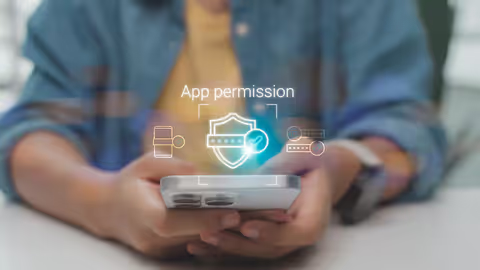
Android security refers to the systems, tools, and practices used to protect Android devices from threats such as malware, unauthorized access, and data breaches. With billions of users worldwide, Android has become a major target for cyber threats, making strong protection essential for both personal and professional use.
Security on Android works by keeping phones protected without compromising personal information or stored data. Built-in tools guard against viruses, plus apps install only through verified paths. Encryption shields files at rest, while ongoing patches fix emerging flaws. Updates roll out consistently, helping systems resist new threats over time.

Android Security Explained Simply
Security inside Android runs deep, layer by layer, catching dangers before they take hold. Each level pitches in, stopping attacks through constant teamwork behind the scenes. When something slips through, responses kick in fast - no second chances given.
Deep inside sits Android's OS, locking each app into separate zones through sandboxing. One program lives apart from others, kept distant by design. This separation means trouble in a single app rarely spills over elsewhere.
Among the main processes are these:
- Every time an Android device runs, background checks happen through Google Play Protect. Scanning apps automatically becomes part of the system flow. Safety layers activate without user input during normal usage patterns. Built-in detection moves quietly beneath everyday tasks. Protection stays active as long as the phone operates
- Built-in encryption to protect stored data
- Regular security patches from device manufacturers
- Permission-based access control for apps
Should malware scan start on an Android device, it begins checking each app plus file for odd activity. Real-time defense shows up in plenty of security tools, spotting risks earlier so harm stays low.
Android Security Matters
Phones hold private info like login codes, bank numbers, one-on-one messages - protection matters here. Though small, these devices carry big risks if left open. A single slip could expose what should stay hidden. Because of that, locking things down makes sense. Weak spots invite trouble without clear safeguards. Someone else might access more than intended. Keeping control means thinking ahead. Hidden dangers often come quietly. That’s why layers help when screens go dark.
Without proper protection, users may face:
- Data theft or identity fraud
- Unauthorized app access
- Financial losses through malicious apps
- Device performance issues caused by malware
Staying protected on Android means fewer surprises when using your phone daily. A strong antivirus cuts down threats without slowing things down. Protection kicks in quietly, working behind the scenes while you browse or tap around. It keeps data secure just by being active in the background. Safety builds up over time simply through consistent shielding.
Real-World Use Cases
Android security plays a vital role across different environments.
Most people count on a security app for Android devices when they want their private information safe. These tools guard things like online banking profiles along with social platforms. Protection comes through features built into the software that watch over access points.
From time to time, companies track work phones through Android tools. These setups apply safety rules automatically. Company information stays guarded that way.
Educational institutions apply security measures to manage shared devices and prevent misuse.
Government agencies rely on stronger security setups so they meet rules while protecting information. While staying within legal lines, these bodies strengthen their defenses through updated protocols. Because safety matters most, officials adopt methods that guard personal details closely. When risks rise, systems get adjusted using stricter controls behind the scenes.
Android Security Key Features
Core Security Features
- App sandboxing to isolate applications
- Secure boot process to prevent tampering
- Data encryption for stored information
- Automatic updates and patches
- Real-time monitoring through antivirus android tools
- Security scan android features to detect vulnerabilities
- Malware detection during app installation
Access Control Mechanisms
- Biometric authentication such as fingerprint and face unlock
- Permission management for apps
- Two-factor authentication support
- Remote lock and wipe features
- Tracking lost devices
- Centralized control through android device management platforms
Android Security Solutions Types
Security on Android comes from tools inside the system along with outside apps.
Built-In Security
- Google Play Protect
- System-level encryption
- Default security scan android tools
Third-Party Security Apps
- Advanced antivirus android applications
- Dedicated privacy protection tools
- Network monitoring and firewall apps
Enterprise-Level Security
- Mobile Device Management (MDM) systems
- Enterprise Mobility Management (EMM) solutions
- Secure VPN and endpoint protection tools
Android Device Security Risks
Threats become clearer when defenses evolve alongside them.
Malware and Spyware
- Malicious apps designed to steal data or monitor user activity.
- Messages pretending to be real, yet they pull secrets from people. These false notes act friendly but dig for private details instead. A link arrives looking harmless - click it, then watch what slips out. Traps hide inside texts that seem normal at first glance. Someone sends something familiar, though their goal stays hidden until too late.
- Crypto-locking programs freeze access to files until rules change. When machines get hit, information stays trapped till someone pays up. These digital shackles spread through sneaky links or fake updates. Once inside, they scramble documents so owners can’t open them. The only way out feels like giving in to pressure.
- Some apps installed from unknown sources skip Google's security scans. These downloads avoid the usual safety steps meant to catch harmful software. Not every store runs these background checks automatically. A file picked up elsewhere might miss detection simply because it never entered the system. Without that filter, risks can slip through unnoticed.
Recent Trends and Updates 2025–2026
Security on Android keeps shifting, thanks to fresh tools along with tighter rules. Still, each update brings different challenges alongside small improvements. Over time, changes feel subtle yet constant, shaped by how people use devices now versus before.
That year, Google rolled out upgraded privacy tools inside Android - giving users clearer views of what apps can do. Instead of guessing, people saw exactly when programs reached for personal details. A new layout made settings easier to navigate. Permissions shifted with more precision, thanks to live activity tracking. Over time, choices about data grew less hidden, more immediate.
By the end of 2025, smarter AI spotting risks made security programs better at catching odd actions. Yet accuracy climbed when systems learned what didn’t fit normal use. Behavior that stood out got flagged faster than before. Instead of waiting, alerts came sooner. Though changes seemed small, results improved steadily. Detection sharpened without adding new tools. While some doubted, performance proved otherwise.
Early in 2026, changes began emphasizing tighter links between device design and protective code - biometrics got smarter because of it. Hardware started responding faster once software adapted its checks. Instead of separate layers, pieces worked closer together. Better scanning arrived when sensors learned patterns more deeply. Security shifted as physical tools merged with digital safeguards.
One shift gaining ground? Unified Android device management tools that help companies handle many gadgets at once. Efficiency jumps when controls merge into a single system. These platforms simplify oversight across dozens - or even hundreds - of handsets. Instead of juggling separate apps, admins get one dashboard. Streamlined updates, smoother tracking. As workforces grow more mobile, such systems stop chaos before it starts.
Laws Policies and Rules
Rules around the world shape how Android handles personal information. Laws in different areas set limits on what data can be collected. Where you live affects which safeguards apply to your device. National policies guide updates and permissions. Local regulations determine who gets access to user details.
Key Regulations
- General Data Protection Regulation (GDPR) in Europe
- Digital Personal Data Protection Act (India, 2023)
- California Consumer Privacy Act (CCPA)
Firms must set up strong safeguards so that personal information stays safe from leaks. A single gap could expose records unless controls are tight enough.
When it comes to following rules, Android security apps usually include settings that protect user privacy while managing information safely. These tools tend to handle data in ways that match what laws require, especially around keeping details private. Often they come equipped with options allowing tighter control over who sees what. Matching compliance needs happens quietly behind the scenes through built-in safeguards rather than flashy promises. Features focused on safe storage and access help meet standards without drawing attention. What matters most is how well personal info stays shielded during everyday use.
Tools and resources for learning
Some apps plus online resources help users learn how to better secure their Android devices. Different websites along with software options offer practical ways to strengthen protection steps.
Security Tools
- Built-in Android security settings
- Third-party antivirus android apps
- Enterprise android device management platforms
Learning Resources
- Official Android developer documentation
- Cybersecurity awareness courses
- Online tutorials on mobile security practices
Best Practices
- Regularly update your device
- Use strong passwords and biometric locks
- Avoid installing apps from unknown sources
- Perform regular virus check android scans
FAQs
Why do people use antivirus apps on Android devices?
Malware finds its match when Android antivirus apps step in, spotting threats before they cause harm. Devices stay secure because these tools block dangerous code automatically. Sensitive information stays shielded since detection happens fast. Safety comes from constant monitoring rather than one-time scans. Protection grows stronger each time a new threat gets identified.
How often should I perform a virus check android scan?
Running a virus check on Android now and then makes sense - every so often things slip through. After grabbing an app or pulling down files from odd corners of the web? That’s when scans help most. New downloads can carry surprises nobody wants.
Could the safety tools inside Android phones really cover all risks?
Some built-in tools help keep things secure, yet extra apps might add needed layers when facing tougher risks on Android devices.
What is android device management used for?
From a single spot, companies handle many Android gadgets. These tools watch over each phone or tablet closely. Security rules stay enforced without constant checks by staff. Protection stays active across every machine in the mix.
How does app scan android improve security?
Before installing apps, a scanner checks what they might do behind the scenes. After setup, it keeps watching how they behave on your device. This helps catch harmful actions early. Watching both stages cuts down chances of getting infected by bad software.
Conclusion
Phones need strong protection because they hold so much personal information. As people lean harder on mobile devices, keeping that data safe grows tougher by the day.
Most safety on Android comes down to using what the phone already offers. A solid app that stops viruses helps, while routine checks catch hidden problems before they grow. Instead of waiting, some people run scans every week just to be sure. Management tools keep work separate from personal stuff too. Good habits matter - like tapping only on links you trust. Each layer adds up without needing extra software.
When tech changes, knowing fresh risks plus what's new helps keep Android gadgets secure over time. Though details shift, awareness stays key for steady safety with daily device use.