Ultra fast charging is an advanced power delivery technology designed to recharge electronic devices in significantly less time than traditional charging systems. Modern smartphones, tablets, laptops, electric vehicles, and wearable devices increasingly rely on ultra fast charging to support high-performance applications and continuous connectivity.
Starting quick, these chargers handle voltage and current with smarter controls to push more power without risk. Minutes into charging, some newer phones already show half their battery filled, if matched with the right ultrafast adapter.
Most people now rely on gadgets nonstop, so staying powered matters more than ever. Because of this need, rapid recharge tech cuts waiting time - making life smoother at work or home. Devices ready in minutes change how we move through daily tasks.
Ultra Fast Charging How It Works
Right now, the charger talks with both the cable and the phone's brain to move energy quickly. Depending on how full the battery is, plus its heat level, power shifts smoothly.
Speedy mobile charging setups often rely on specific tech types like
USB Power Delivery Dynamic power for phones and laptops. Quick Charge Fast charging on Android. GaN Charging Less heat smaller adapters. Battery Management Keeps devices cool. Dual Cell Batteries Quick charge support high end phones.
Most of the time a faster charger pushes more watts through the cable, yet keeps things stable even when temps rise. On some gadgets, smart heat detectors adjust on the fly so nothing overheats during heavy flow.
Main Parts of Ultra Fast Charging Systems
Charging Adapter
- Power becomes charge you can actually use
- Finding the highest power level allowed for charging
- Often includes smart safety protections
Charging Cable
- Transfers power between charger and device
- Most USB-C cables let devices charge quickly
- Cable quality affects charging efficiency
Battery Management System
- Monitors battery temperature and voltage
- Reduces charging speed when overheating occurs
- Protects long-term battery health
Power Controller Chip
- Regulates energy flow inside the device
- Keeps power flow steady during charging
- Built to work smoothly alongside various high-speed charging options
Ultra Fast Charging Technology Types
Wired Ultra Fast Charging
- Faster than anything else, wired charging still wins when it comes to speed. Efficiency? It holds the lead without breaking a sweat.
- Faster than ever, phones charge at over 100 watts thanks to USB-C ports becoming standard. While once rare, such high-speed power flow is now built into many devices you can buy today.
Wireless Ultra Fast Charging
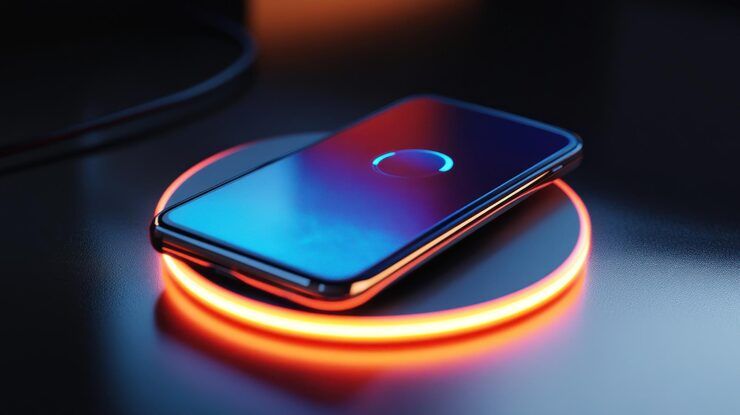
- A field builds between two coils when power flows, moving energy through empty space. One coil sits in the charger, another inside the device. Electricity jumps across the gap, creating a flow where there is no wire.
- Faster wireless charging now possible thanks to new tech advances.
- Battery juice trickles from certain gadgets to feed extras or second phones using cords. Wireless methods let them pass energy without plugging in. One phone might give life to another mid-day. Cables link two gadgets so one powers up the other. A tablet could lend charge when nearby gear runs low.
Public Ultrafast Charging Stations
- Charging spots that work super quick. They power up electric cars along with gadgets needing lots of juice. Not just one thing they handle - speed meets heavy-duty needs here.
- Power pours from these stations at intense levels, yet they manage fast energy movement just the same. Though built tough, their speed surprises most who see them run. Even under strain, charging happens quicker than expected here. Some think it's magic, though engineering explains every burst. While others lag, these units push limits without slowing down.
Ultra Fast Charging Benefits
Reduced Downtime
- Charging happens less often, so people on the move get more ease without needing constant plugs. Power stays useful longer between uses, fitting tightly into fast routines.
- Charging quickly keeps messages flowing while maps update in real time. Navigation stays sharp because power returns fast between uses. Music streams without gaps since the device regains energy swiftly. Work projects continue smoothly when downtime shrinks noticeably.
- A quick phone charger gives you power in a flash when time is tight. Speedy charging fits into brief pauses throughout your day. When on the move, topping up happens before you head out again.
- Heavy battery drain comes from today’s apps - think gaming, videos on loop, or anything powered by artificial intelligence. Power slips away fast when screens blaze with motion or complex number crunching kicks in. Running these isn’t gentle on energy reserves. A single session can wipe out a significant chunk of charge without warning.
- Battery power returns in a flash, keeping your gadget ready. Suddenly, downtime fades - connection stays strong. Right when you plug in, life keeps moving without pause.
Challenges and Limitations
Even so, quick charging brings benefits but still faces hurdles. Yet gaps exist despite speed gains in battery tech. Still, faster refills help users yet struggle with heat control. However, power boosts come alongside safety risks too. Though useful, rapid systems meet limits in materials science.
Heat Generation
- Faster charging means more warmth builds up. Heat grows when power rushes in quickly.
- Heat that lasts too long can shorten how long a battery works, especially without careful handling.
- Over time, plugging into fast chargers often might wear down how much charge your battery holds. Not every top-up helps keep things fresh - some speed comes at a cost you notice later.
Compatibility Issues
- Some gadgets work with certain chargers, yet others do not. Different models accept different power rules.
- When gadgets don’t match, charging slows down even if the station is built for speed.
- Out in the open, those rapid charge spots need heavy-duty wiring just to keep up. Power must flow without hiccups, or everything stalls soon after. Grids have to hold steady, otherwise flickers mess with the whole setup right away.
recent trends and developments
A surge in speed marks how charging tech moved forward recently. New steps changed what these systems can do over the past months.
Smartphone charging updates expected in 2025
- Several smartphone manufacturers introduced charging systems exceeding 150W in early 2025.
- Battery safety shares the spotlight with how fast charging happens in these setups.
- By 2025, GaN chargers showed up everywhere - smaller bodies, less warmth, better power use. Efficiency jumped even as parts shrank under new tech rules. Heat faded into background noise with each redesigned model. Size dropped sharply thanks to smarter materials inside. These changes stuck around, quiet but clear.
USB-C Standard Expansion
- By 2025, after global rules shifted, most new phones, tablets, and laptops used USB-C charging because it made plugging in simpler. Though change took time, sharing cables became far more common thanks to steady adoption worldwide.
- Across nations, growth in rapid-charging spots for electric cars picked up pace through 2025 - driven by demand for smoother travel. While slower plugs still exist, newer models rely on these high-speed hubs more each year. Some regions focused heavily on highways; others near cities. Speed became a priority as drivers expected less downtime. As networks grew, finding an available port got easier almost everywhere.
Safety Standards and Regulations
Charging tech sees oversight by global groups aiming to boost how safely people use devices plus ensure gadgets work well together.
USB Charging Compatibility. Electrical Safety Requirements. European Product Safety. India Electronics Compliance. EMI Control Regulations.
Folks who plug in their devices might want to stick with verified high-speed charging units along with manufacturer-backed cords - cuts down on power-related hiccups. Safety slips when random gear gets into the mix.
Real-World Applications
Charging at top speed powers factories, shops, homes. It keeps things running when time matters most. Machines wake up quick, people move on without waiting. Speed here changes how work flows during busy hours. Life fits tighter schedules because plugs deliver faster. Cities rely on it more each year.
Consumer Electronics
- Smartphones
- Tablets
- Smartwatches
- Wireless earbuds
Transportation
- Electric vehicles
- Electric scooters
- E-bikes
Business Environments
- Remote work devices
- Portable workstations
- Mobile communication tools
Emergency Situations
When you’re on the move, outdoors, or dealing with an urgent situation, a quick charge brings back essential power fast. Instead of waiting long, it gives what’s needed right away under pressure.
Important Features to Consider
Wattage Support
- A stronger power output can speed up charging - if the gadget allows it. Power flows quicker only if the tech inside matches the supply. Charging time drops whenever the device accepts higher levels of energy.
- Fine-tuned heat control keeps things safe while preserving how well the battery works.
- Some newer rapid charging stations power phones, then tablets, after that laptops - all at once.
- Few chargers tweak output depending on what gadget they’re plugged into.
Tools and resources for learning
Official Technology Organizations
- USB Implementers Forum (USB-IF)
- Worldwide group focused on electrical standards
- Bluetooth Special Interest Group
Educational Platforms
- Technology documentation websites
- Electronics engineering tutorials
- Mobile hardware research publications
Device Management Tools
- Battery health monitoring apps
- Charging optimization software
- Power consumption analyzers
FAQs
Speedy power refill - how does it work?
Charging at top speed works by pushing extra power through, making it faster than standard methods. What sets it apart is how much energy flows in a short time. Instead of waiting ages, devices gain charge rapidly. This happens because the system runs on higher output. Not every charger does this - only specific setups handle such intensity. Speed comes from upgraded components working together tightly.
Can ultrafast chargers overheat devices?
Modern devices include thermal management systems to reduce overheating risks during charging.
What is the role of GaN technology in charging?
Smaller chargers now come from using GaN, since it handles power better while creating less warmth. Efficiency jumps up because this material works faster than older types did. Designs shrink thanks to cooler operation during charging sessions.
Could those lightning-quick chargers work for anything besides electric cars?
True. Though most think of electric cars, these rapid chargers can power heavy-duty machines too.
Conclusion
Speedy charging now sits at the heart of today’s gadgets. Because devices need less time plugged in, people get more done without waiting around - whether it’s a phone or car needing juice in a hurry. While tech pushes forward, getting back to full keeps mattering just as much.
Energy delivery keeps evolving thanks to better battery controls, new USB-C rules, GaN components, or fast public chargers popping up everywhere. Heat issues or how long batteries last still matter a lot, yet safer designs together with smarter power flow slowly make charging more dependable. Despite lingering concerns, progress marches on through tighter regulations combined with clever engineering tweaks here and there.
Built into tomorrow’s gadgets, speedier power-ups might stick around simply because people hate waiting. Devices that charge in minutes could shape how we use tech on bikes, phones, even laptops. Faster juice means less downtime, especially when life moves quick. New batteries may push limits, yet convenience often wins. Charging leaps feel normal now, like flipping a switch. How long until full power takes seconds? Not magic - just better engineering hiding inside. Each gadget update hints at what comes next: empty never lasts.