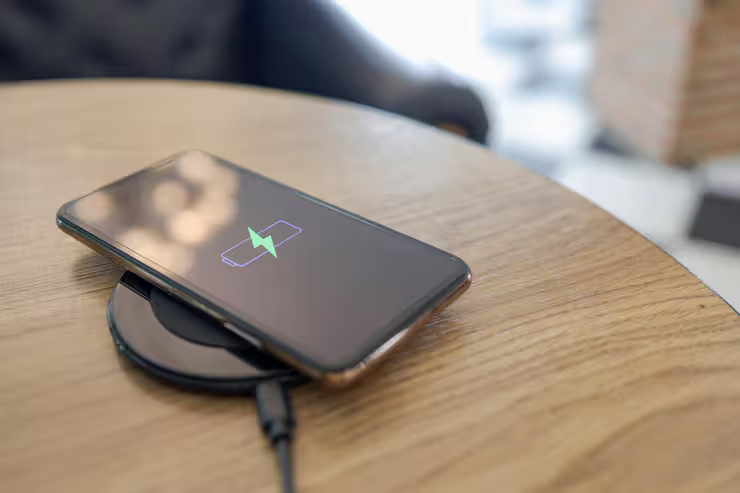
Fast charging technology is designed to reduce the time required to power electronic devices, especially smartphones. As devices become more powerful, the need for efficient energy transfer has increased. A fast charging mobile can reach a significant battery level within minutes instead of hours, making it highly useful in daily life.
Power flows quicker through this system, yet stays under control thanks to careful handling of heat, pressure, and flow levels. Devices like phones that charge rapidly, portable screens, or electric cars rely on it every day.
Fast charging technology explained
Power flows faster into batteries when chargers push more energy their way. Communication jumps in - smart signals pass back and forth between gadget and plug. The quick charge tech inside checks conditions before speeding things up. Timing shifts on its own, matching what the battery needs right then.
Most newer setups tweak both voltage and current on the fly, rather than sticking to one level. Communication happens between a quick-charging unit and the gadget, figuring out safe power limits moment by moment.
Most times, charging splits into a pair of stages
- Power surges fast during the initial stage, pushing energy into the battery without delay. This part fills the charge at top speed right away. The system runs full strength until a certain point is reached. Energy moves rapidly while levels stay low. Speed drops only when nearing capacity
- Once the peak charge passes, energy flow slows down. This shift helps avoid excess heat building up. A gentler current follows, easing stress on the cells. Temperature stays low because of this change. Battery wear drops when power dips at the right moment. Lasting longer becomes possible under lighter load
Charging these batteries quickly? That depends on smart circuitry managing power carefully. Without it, harm could happen during high-speed refills.
Fast Charging Fits Into Everyday Routines
These days, people spend more time on phones, so getting power back fast matters. When a device charges rapidly, it spends less time plugged in between uses. Moments like coffee pauses turn into chances to top up energy. Less waiting means life keeps moving without long stops.
Key benefits include:
- Busy routines find moments easier when tasks take less time
- Supports high-performance apps and multitasking
- On the move, it fits right into your day without fuss. Wherever you need to be, getting things done feels lighter. With less hassle, shifting between tasks just works better
- Enables continuous connectivity
A single minute plugged in might power your day. Fast charging means less waiting, more doing. Hours of screen time come from moments at the outlet. This phone turns short bursts into long runs.
Fast Charging System Essentials
Power Adapter
- Converts electrical energy into suitable voltage
- Supports charger quick charge protocols
- Transfers high current safely
- Designed to handle increased power flow
Battery Management System
- Keeps heat steady while managing power levels
- Keeps the battery running safely while it charges quickly
- Communicates with charger
- Optimizes charging speed in a fast charging smartphone
Fast Charging Methods
Wired Fast Charging
- Uses cable-based connection
- Common in most fast charging phone models
- Uses electromagnetic induction
- Powered through strong wireless charging setups
Proprietary Charging Standards
- Developed by manufacturers
- Inside phones that charge almost instantly
- USB Power Delivery (USB-PD)
- Quick Charge technology
Real-World Use Cases
Charging things quickly That tech shows up everywhere people work or live. Not just factories - homes use it too.
Smartphones
- A sudden boost of power keeps your phone running when you’re on the move. Charging in a hurry works well between meetings or while commuting. Power levels rise sharply even with just minutes plugged in. This kind of speed helps avoid downtime during busy stretches. A brief connection to power can last hours in real use
- Similar principles used for rapid EV charging
- Smartwatches and earbuds use compact fast charging battery systems
- Quick power boost when battery is low
Modern Fast Charging Key Features
Intelligent Power Delivery
- Adjusts voltage dynamically
- Keeps things safe when charging lithium ion batteries quickly
- Prevents overheating
- Maintains battery health
Multi-Layer Protection
- Guards against overcharging
- Protects device circuits
- Works across multiple devices
- Supports universal standards
Recent Trends and Developments 2025–2026
Charging things quickly got a lot faster just months ago. A new way of powering devices showed up almost overnight.
- In 2025, several brands introduced super fast charging battery systems exceeding 200W
- Advanced cooling technologies improved safety in high-speed charging
- Faster charging happens wirelessly today compared to old cable methods. Speeds jumped beyond what cords delivered before. Now air transfers energy quicker than plug-in setups did. Wireless tech moved ahead of physical connections. Some recent chargers beat past wired versions outright
- AI-based charging optimization helps extend battery life
- Scientists explore green alternatives to improve how quickly lithium batteries charge without harm. New substances aim to reduce risks during rapid energy flow. Work continues on sustainable options that behave better under stress. Progress focuses on components kinder to nature yet strong enough for daily demands. Testing examines long-term effects of these earth-conscious choices
Faster charging now works better, showing clear progress in how phones handle power. Reliability has improved alongside speed, making downtime shorter each time.
Rules and safety guidelines
Charging up quickly? Safety rules from around the world set the bar for how devices can deliver power without putting people at risk.
Key Standards
- USB Power Delivery compliance
- IEC safety standards for batteries
- BIS certification in India for electronic devices
Safety Guidelines
- Use certified fast charging battery charger
- Avoid damaged cables
- Prevent overheating during charging
A sudden burst of energy won’t cause harm, because rules keep things under control. Fast charging stays safe when limits are built into the system. Power surges get managed before they become risky. Safety kicks in right where speed meets load.
Tools and learning resources
Grasping how quick charging works might get easier when you try different apps or devices. Sometimes a fresh setup reveals what older ones hide. Jumping between options opens paths not obvious at first glance. Each tool bends the view a little differently. One moment it feels clunky, next thing - it clicks.
Useful Resources
- Battery University (educational platform on battery tech)
- IEEE publications on energy systems
- Manufacturer whitepapers on charging protocols
Practical Tools
- Power meters for measuring charging speed
- Diagnostic apps for battery health
- Developer documentation for USB standards
From time to time, folks digging into tech find these tools useful when exploring how quick-charging batteries really work. A closer look shows they guide both beginners and experts through the steps involved.
FAQs
What is fast charging technology in smartphones?
A sudden burst of energy moves into the phone when fast charging kicks in, pushing more power without overheating thanks to smart adjustments in how electricity flows. Voltage rises just enough, current stays steady, balance keeps things safe even at high speed. Charging cuts down time because the system works harder but watches itself closely every step. The battery fills faster than normal yet avoids damage through precise internal checks. Speed comes not from force alone but careful coordination between parts inside the device.
Does fast charging damage battery life?
Charging these days happens quick thanks to smart lithium ion setups. Though powerful, they include safeguards built right in. Used the right way, wear on the cell stays low. That means longevity holds up without surprise drops.
What is the difference between fast charging and super fast charging?
Charging gets a bit quicker with fast options, yet super fast setups push way more energy, cutting down refill minutes noticeably. Though regular speed helps, the upgraded versions go significantly beyond, making waits shorter through stronger output.
Can all phones use a fast charging battery charger?
Some gadgets can’t handle rapid power delivery. To get faster refills, your phone needs to speak the same tech language as the charger does.
Wireless power delivery - how does it stack up against plugging in directly?
These days, powerful wireless chargers work much better than before, yet plugging in usually gets your device charged quicker. Efficiency tends to stay higher with cables despite the convenience of going cordless.
Conclusion
Charging things now takes way less time thanks to quicker methods. A phone can fill up fast, just like bigger setups that store energy. New tricks in tech bring speedier top ups, better safety, smoother results. These upgrades make plugging in feel almost instant, sometimes without even needing a cord.
One step ahead, new battery stuff changes how phones hold power. Not just speed, but smart tweaks in charging help gadgets last longer between plugs. A clearer picture of rapid refill steps shows why some habits drain life faster. This kind of know-how shapes quieter choices through the day. Little shifts here add up without loud promises. Real gains sit beneath the surface, working when needed.