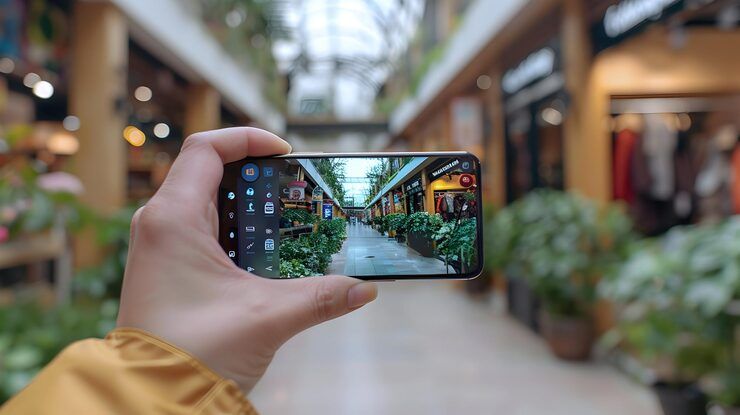
HDR Photography Mobile refers to capturing and processing images using high dynamic range imaging techniques directly on smartphones. The main purpose is to balance exposure levels in scenes that have both very bright and very dark areas. A standard camera often struggles to capture such contrast, resulting in either overexposed highlights or underexposed shadows.
A bright window might ruin a shot, yet phones now handle it quietly. Different light levels get snapped one after another, then blended by clever software. Picture comes out balanced, shadows show texture, skies stay soft instead of blown white. iPhones do it just like many Androids, no fanfare needed. The trick lives inside most cameras today, working without being asked.
How HDR works in mobile cameras
One shot might be too dark, another way too bright - cameras snap a few versions then blend them. This mix happens through software that layers each frame, balancing light across the scene
- Some cameras take several shots at once - one too dark, one just right, another too bright - blending them later to balance light and shadow across the image
- Aligning images to avoid motion blur
- Blending several shots to create a single well-balanced picture
- Applying hdr photo editing algorithms to enhance contrast and color
Out there in today’s phones, smart tech handles hdr without asking you a thing. When light shifts, the system notices - then adjusts on its own. Pictures come out balanced, no fiddling needed. New users get strong shots just by pointing and tapping.
Why HDR Matters in Phone Photos
Picture looks better when light is tricky because HDR adjusts dark and bright parts at once. What matters most shows up clearly since shadows lift while highlights stay under control. Scenes feel more real given how details emerge where they’d normally vanish. Bright windows won’t wash out walls beside them thanks to balanced exposure shifts. Depth returns to skies so clouds aren’t just white smudges anymore
- Preserving details in highlights and shadows
- Enhancing color accuracy and depth
- Reducing the need for heavy editing
- Improving overall visual clarity
Take landscape shots, maybe at sunset or near windows inside - HDR keeps light levels steady. A strong HDR phone camera works well whether you snap photos just for fun or need quality for sharing.
common use cases of hdr photography on mobile
HDR is widely used across various scenarios:
- Landscape photography with bright skies and dark foregrounds
- Portraits taken in backlit environments
- Architecture shots with complex lighting
- Night photography with mixed light sources
- Travel photography in varying conditions
From street photography to film scenes, HDR captures details bright sunlight often hides. Light and shadow balance reveals textures most cameras miss. Scenes feel alive because contrasts stay true. What looks flat in regular shots gains depth here. Moments keep their mood without losing clarity.
hdr mobile cameras capture bright and dark areas clearly
Core Capabilities
- Automatic scene detection
- Multi-frame image processing
- AI-based enhancement
- Real-time preview adjustments
Advanced Features
- Smart HDR for motion handling
- HDR video recording
- Selective HDR adjustments
- Integration with hdr photo editing tools
Device Optimization
- Sensor-based light detection
- Software-driven exposure blending
- Cloud-based processing (in some devices)
Smartphone Hdr Variants
Some phones use one kind of HDR tech. Others work with a separate version altogether. A few models handle high dynamic range through unique methods. Each approach changes how images look on screen. Not every device processes light and dark details the same way. Specific systems adjust contrast differently during playback
- Standard HDR: Basic exposure blending
- Auto HDR: Automatically activates based on scene
- Picture quality improves when light adjusts itself. A smart system watches movement, changes how things look. Details stay clear even if you move around. Light levels shift on their own to match the scene. Images feel sharper without extra effort
- HDR10/HDR10+: Used in video recording for enhanced dynamic range
One kind boosts how well an hdr camera phone works, particularly when light gets tricky. Another helps it handle shadows better, even in harsh scenes. Some adjust brightness more naturally, cutting glare without effort. Each version sharpens details where older models fail. A few refine color balance so tones look truer. Certain designs manage highlights smoothly, avoiding washed-out spots. Every variation supports clearer images under tough light mixes.
How HDR Works on Different Phone Systems
Android Camera HDR vs iPhone HDR Processing Differences
While one system adjusts tones through layered algorithms, the other shapes light detail using user-driven settings. Each handles bright highlights differently, yet both manage shadow depth in similar ways.
Picture quality grows once shooting stops. Working on photos in software shapes how they feel. Programs give control over light and contrast through careful changes
- Adjust brightness and contrast
- Fine-tune highlights and shadows
- Enhance color saturation
- Reduce noise in low-light HDR images
Most phone apps now handle HDR tweaks on the fly, so pictures get better while keeping their original sharpness. A single tap can balance light and dark areas smoothly, avoiding harsh contrasts. These tools adapt fast, making edits feel natural instead of forced. Some versions even learn from past changes, adjusting brightness just enough. Quality stays high because processing happens in real time. Each update works quietly behind the scene, refining details without slowing things down.
Recent Trends and Developments 2025–2026
HDR photography on mobile devices has seen rapid advancements in the past year:
- AI-powered HDR processing (2025): Improved real-time scene recognition
- Multi-frame HDR video (2025): Better motion handling in video recording
- Computational photography upgrades (2026): Enhanced detail recovery
- Sensor innovation (2026): Larger sensors improving HDR performance
Still moving forward, today’s top HDR phones reach new levels - bringing pro-grade shots within everyone’s grasp. Not so long ago this kind of clarity stayed out of reach. Now light and shadow balance happens almost by instinct. Each upgrade chips away at old limits. What used to demand gear now fits in a pocket. Progress likes quiet steps; real change shows up in photos people take without thinking.
Difficulties with HDR photography on mobile devices
Despite its advantages, HDR has certain limitations:
- Motion artifacts when subjects move
- Over-processing leading to unnatural colors
- Some gadgets take longer to handle tasks now
- Storage usage due to multiple image captures
Grasping what makes HDR tricky lets people use it better, steering clear of typical errors along the way.
Learning HDR photography tools and platforms
Mobile Applications
- Built-in camera apps with HDR mode
- Advanced photography apps for manual control
- Editing apps supporting hdr photo editing
Learning Resources
- Online tutorials and photography courses
- Mobile photography communities
- Technical blogs on high dynamic range imaging
Practice Methods
- Experimenting with different lighting conditions
- Comparing HDR and non-HDR shots
- Learning composition alongside HDR usage
Legal and Policy Issues
HDR photography isn’t banned by law. Yet some situations bring questions about privacy when capturing images. Using tripods in public spaces might require permits depending on location. Tourist sites sometimes limit equipment setups without saying so upfront. Copyright rules still apply even if photos are altered using software tools. Posting pictures online can lead to disputes over recognizable people or brands shown within them
- Image authenticity in journalism
- Editing transparency in professional use
- Compliance with platform content guidelines
Take a picture tweaked too much with HDR. Reality shifts when colors pop beyond what was actually there. That becomes an issue if someone needs the truth, not enhancements. Say it's used where facts matter most - like news. The scene no longer shows what really happened. Overdone edits quietly change details people rely on.
Using HDR on mobile cameras
Practical Tips
- Use HDR in high-contrast scenes
- Avoid HDR for fast-moving subjects
- Keep the camera steady while capturing
- Compare HDR and non-HDR results
Optimization Techniques
- Adjust exposure manually if available
- Use editing tools for refinement
- Understand device-specific HDR behavior
Common Mistakes to Avoid
- Overusing HDR in all situations
- Ignoring natural lighting conditions
- Too much tweaking once the shot is done
FAQs
What is high dynamic range imaging in mobile photography?
Picture made by blending several shots gives better light and dark parts together. This method captures more detail where it's bright, also where it's dim. Merging different versions of the same scene improves overall clarity. The result shows both shiny areas and shadowed spots clearly. Technique uses varied brightness levels to balance everything out.
HDR performance comparison between Android and iPhone?
One handles bright lights better through adjustable settings. The other leans into smart auto adjustments for balanced shots.
When Not to Use HDR Mode?
When shooting quick action, HDR can lead to blurry movement or double images. Motion-heavy moments often don’t work well because the processing lags behind real time. Scenes that change rapidly might show odd traces of objects that moved between shots. The delay in combining exposures sometimes leaves artifacts where things used to be.
Can HDR photos be edited after capturing?
With these tools, you can tweak how bright or dark a picture looks, shift its tones slightly. Image clarity stays intact even when changes happen. Color balance shifts too, yet details hold firm throughout adjustments. Brightness moves up or down without washing things out. Contrast gets fine tuned alongside hues, keeping everything looking natural in the process.
Is HDR Helpful for Regular Photos?
True, HDR can make pictures look better when light is spotty or mixed. It handles bright and dark areas at once, which helps in tricky scenes.
Conclusion
Photos taken on phones look different now, thanks to HDR. Bright parts stay bright, shadows keep detail, without one washing out the other. Even when light fights itself - sun blazing behind a subject - the shot holds together. Androids manage it their way; iPhones shape it differently. Smarts inside the device adjust layers before you even see them. Processing blends what eyes miss. What once needed extra gear happens automatically now. Light bends to math instead of luck.
Picture clarity improves when light levels vary wildly. Some phones capture multiple shots at different brightnesses then blend them. This happens fast, often without tapping anything. Bright skies stay bright. Shadows keep detail instead of turning black. Editing afterward can tweak tones so things look natural. Too much adjustment makes scenes feel fake. Future cameras will likely handle this blending even better. Crisp photos in tough lighting won’t go away anytime soon.