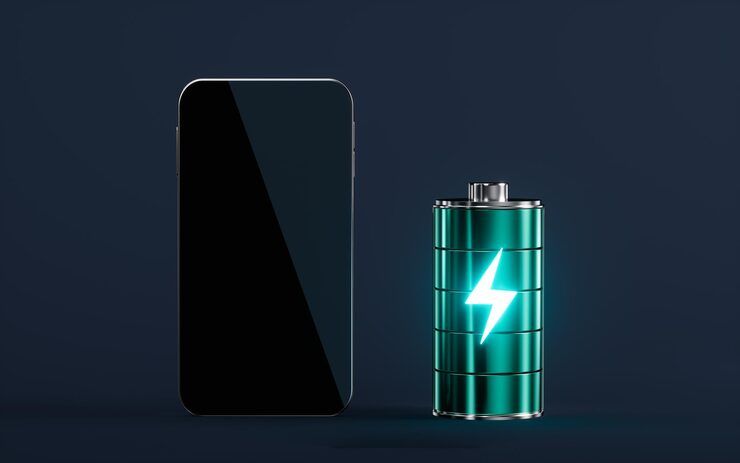
High capacity mobile batteries are advanced power units designed to support modern smartphone usage for longer periods. Smartphones today are used for gaming, streaming, photography, navigation, online meetings, and AI-powered applications. These activities require improved energy storage and efficient smartphone battery technology.
Most powerful phone batteries pack extra juice without getting bulky or risky. Think of it like a fuel tank - bigger mAh means more stored power. Longer runtime? That comes down to how much charge fits inside before needing a refill.
Battery life matters more now because phones do so much. That push made companies rethink how energy gets used inside devices. Faster recharging shows up in newer models thanks to clever engineering tweaks. Heat control also got smarter since overheating slows everything down.
Smartphone Battery Technology Explained
Right now, nearly every smartphone runs on either lithium-ion or lithium-polymer power sources. When you turn the device on, that stored chemical energy turns into electricity. While they look small, these units handle a complex job behind the scenes.
The structure of a smartphone battery includes several important parts:
Battery Components
- Cathode for storing lithium ions
- Anode for releasing ions during charging cycles
- Electrolyte solution for ion movement
- Separator layer for safety
- Battery management system for monitoring temperature and charging
From one end to the other, lithium ions shift when a phone takes in charge. Power flows as these particles return during operation, feeding energy into the system.
Smartphones today rely on clever software to manage power better. Instead of just hardware fixes, they learn your habits through artificial intelligence. This helps cut down apps running when you are not using them. Less wasted energy means longer time between charges. Some phones adjust settings quietly throughout the day. These changes happen without asking, based on how you typically use the device. Over time, the system gets sharper at saving power.
Typical Smartphone Battery Sizes Today
A 3000–4000 mAh battery usually handles everyday tasks without strain. With that size, people often find their entry-level phone lasts a single day. Bigger now - 4500–5000 mAh - keeps mid-range models running through full schedules. Such capacity powers typical routines without needing an extra charge. Push into heavier loads: 5000–6000 mAh supports intense workloads across gaming rigs and top-tier handsets. Gamers and power users lean on these numbers when pushing limits. Beyond six thousand milliamp hours? That kind of storage fuels rugged builds meant to survive days unplugged. Specialty units like those thrive where charging isn’t possible.
Battery sizes topping 5000 mAh now show up more often inside top-tier phones, especially those built for playing games. While once rare, such large power cells are now standard where heavy usage is expected. Their presence signals longer screen times without needing a recharge. Though bulkier designs can follow, manufacturers accept the trade-off. Because users demand stamina, these packs fit neatly into high-end models. Not just limited to one brand, they spread across premium gadgets. So performance stays strong even during extended sessions.
Long Lasting Phone Battery Performance Matters
When a phone holds its charge longer, life feels smoother. Because people lean on their devices - not just to talk but to pay, learn, watch, and find their way - power that lasts matters more than ever.
Battery improvements help reduce several common problems:
Everyday Challenges Solved
- Frequent charging interruptions
- Rapid battery drain during gaming
- Heat generation during heavy use
- Reduced performance after aging
- Limited battery backup during travel
When you work far from an office, staying charged matters a lot. Students juggling classes online need their phones running without pause. People dropping off packages between cities can’t risk losing battery mid-route. Creating videos or photos on the go means constant app use - power runs out fast. A reliable charge keeps things moving, quietly.
High Performance Mobile Battery Types
Some batteries work better because new materials help them charge faster. What changes is how energy moves inside each cell. A boost comes when design tweaks reduce heat loss during use. Efficiency jumps if the chemical mix supports quicker electron flow. Performance gains show up under heavy power demands.
Lithium-Ion Batteries
- Most widely used technology
- Good energy density
- Reliable charging cycles
- Built to handle rapid charging without issue
Lithium-Polymer Batteries
- Lightweight and flexible
- Better shape adaptability
- Improved safety in compact devices
- Thin phones often come with this feature built right in
Silicon Carbon Batteries
- Emerging battery technology
- Higher energy density
- Improved charging efficiency
- Increasingly used in premium devices
Solid-State Batteries
- Future-oriented technology
- Enhanced safety features
- Reduced overheating risk
- Potential for faster charging and longer life
By 2025, solid-state battery work had picked up speed - makers wanted safer devices plus longer power life. Then, through 2026, labs pushed harder, chasing better storage without overheating risks.
Smartphone Power Advancements
Battery life in today’s phones climbs not just from bigger storage, yet smarter energy use shapes results too. Charging stays longer because components waste less juice when running. Progress hides inside circuits rather than screen size. Power stretches further once systems demand less at idle. Efficiency gains matter as much as raw numbers now.
Important Features
- Fast charging support
- Intelligent power optimization
- Adaptive charging systems
- Thermal cooling mechanisms
- Reverse charging capability
- AI-based battery health management
- Low power display technology
These days, some companies pack big phone batteries together with power-saving chips alongside bright AMOLED screens to make them last longer. Battery life gets a boost when strong cells meet efficient parts plus vivid displays built smart.
Smartphone Battery Advances Lately
A fresh wave of battery upgrades hit phones recently. Some changes arrived quietly, others made a splash. Not every model got faster charging, yet improvements spread widely. Last year brought shifts few expected. Progress showed up in slim designs and longer power life. Changes came through tiny tweaks plus bold steps. Phone batteries now behave differently than before.
Back in 2025, a few phone makers rolled out smarter ways to care for batteries by tweaking how devices charge over time. Instead of just filling up fast, these systems slowed things down when needed. Because of this shift, batteries lasted longer before degrading. While most people focused on speed, others quietly worked on making power last. Not every brand jumped in at once - some waited. Yet those who acted early gave users an edge without shouting about it.
Beyond faster power delivery, today's wireless charging runs cooler thanks to smarter heat management built into newer models.
Replacing Mobile Phone Batteries and How Long They Last
Slowly, every rechargeable battery wears down with age. Heavy use, high temperatures, or constant recharging tend to speed up the process.
Mobile battery replacement becomes necessary when users experience:
Signs Your Battery Is Wearing Out
- Rapid battery drain
- Unexpected shutdowns
- Swollen battery appearance
- Excessive heating
- Slow charging performance
- Reduced battery percentage accuracy
After two years, most phone batteries begin losing strength, lasting up to four before showing clear wear. How they hold up ties directly to how often you charge them.
A well-done phone battery swap sticks to the maker’s rules along with approved safety steps.
Battery Safety and Rules
Smartphones need safe batteries, that much is clear. Rules come down from global groups, also national ones, aiming to stop devices getting too hot or catching flame.
One rule after another shapes how phone batteries are made
Common Safety Standards
- IEC battery safety standards
- UN transportation regulations for lithium batteries
- RoHS environmental compliance
- Electronic waste recycling regulations
- USB-C charging standard adoption in many regions
Lately, some areas began pushing greener rules - repair-friendly designs now get a boost along with efforts to recycle old batteries more effectively.
With these rules in place, charging phones becomes less harmful to nature. Safer energy methods follow as a result.
Better battery life with small changes
Charging habits shape how well a phone's battery holds up over time. When plugged in overnight feels normal, skipping it sometimes helps. Using power-intensive apps nonstop tends to wear things down faster. Heat plays a role too - keeping devices cool matters more than most notice. Unplugging before reaching full charge occasionally eases stress on cells. What happens daily adds up without calling attention.
Smart Ways to Save Phone Battery
- Avoid extreme heat exposure
- Use compatible chargers
- Enable battery saver modes
- Reduce unnecessary background applications
- Keep software updated
- Avoid complete battery depletion frequently
- Maintain moderate screen brightness
Modern operating systems include tools that adjust power use on their own. These tweaks happen behind the scenes without needing a prompt. Energy shifts are handled quietly while you work. Hidden routines keep battery life steady through smart changes. Efficiency comes from constant small adjustments made silently.
Tools and resources for learning
Some apps plus online services let people check how well their phone batteries are holding up over time.
Helpful Resources
- Android battery health settings
- iOS battery analytics tools
- AccuBattery application
- Device Care utilities
- Manufacturer diagnostic applications
- Battery testing software
- Consumer electronics safety organizations
Besides news outlets, tech blogs keep tabs on advances in phone power sources. Engineering journals toss in fresh details now and then too. Updates pop up frequently across these platforms, tracking how batteries evolve. Some reports dig into materials, others spotlight charging speed. Each outlet adds a slightly different angle over time.
How Smartphone Batteries Affect the Environment
Smartphones spreading everywhere made tossing old batteries right way more crucial. Because pulling lithium from earth uses up tons of materials, making these power packs takes a heavy toll.
Folks who make things plus officials are putting attention here
Sustainability Initiatives
- Battery recycling systems
- Reduced electronic waste
- Eco-friendly packaging
- Energy-efficient charging
- Extended product lifespan programs
Fixing phones more easily could slow down how fast people toss them away.
Next Generation Mobile Battery Power
One step ahead, new phone batteries aim to last longer without draining fast. Charging them won’t take ages anymore, thanks to quicker power-up methods. Built with earth-friendly stuff, they cut down harm when tossed away. Staying cool under pressure keeps things safe, even when pushed hard.
Fresh ideas on the horizon could bring changes like these:
Expected Future Developments
- Advanced solid-state batteries
- Ultra-fast charging systems
- Longer charging cycle durability
- AI-powered energy optimization
- Graphene-assisted batteries
- Improved battery recycling methods
Besides shrinking size, scientists test new battery types that pack more power into slim phone frames.
FAQs
What are high capacity mobile batteries?
Running your phone much longer before needing a recharge is what high-capacity mobile batteries aim for. These power packs hold extra juice by design. Instead of shutting down early, your device keeps going - fueled by increased storage inside the battery itself. Longer screen time comes from this built-in boost. Charging less often becomes possible when energy reserves go up.
What is the typical lifespan of a phone's power source?
After two years, most phone batteries begin losing strength - how fast depends on how often they’re charged. Heavy daily use speeds up the decline. Temperature plays a role too; hot spaces worsen wear. Some last near four years if treated gently.
What causes battery health to decline?
Too much heat might wear down a battery over time. Charging quickly too often has a similar effect. Each full charge cycle takes a small toll. Running power-hungry apps constantly adds strain as well.
Is mobile battery replacement safe?
Most of the time, swapping a phone's battery goes smoothly if you stick to parts approved by the maker along with correct methods. Though risks exist, they drop sharply when steps are followed just right.
What is the latest trend in smartphone battery technology?
By 2025, silicon-carbon cells began appearing more often. Battery life saw gains because artificial intelligence started adjusting power use on its own. Charging got quicker thanks to new system designs rolling out around that time. Heat control also took a step forward with smarter materials entering production by 2026.
Conclusion
These days, phones need serious power just to keep up. When gadgets do heavier work, their energy demands climb fast.Even now, new types of batteries made with silicon and carbon are changing how long phones can run between charges. Alongside these changes, smart software helps manage power more wisely over time.
Meanwhile, rules focused on safety push companies to build cells that resist overheating. Because environmental concerns grow stronger, efforts to recycle old units have also picked up speed. Starting with basic care habits makes a difference over time. Instead of ignoring warnings, paying attention helps prevent sudden drops in performance. Knowing what drains energy fast changes how some handle charging. Through small adjustments each day, results add up without extra effort. Smart choices about settings connect directly to steady usage patterns.