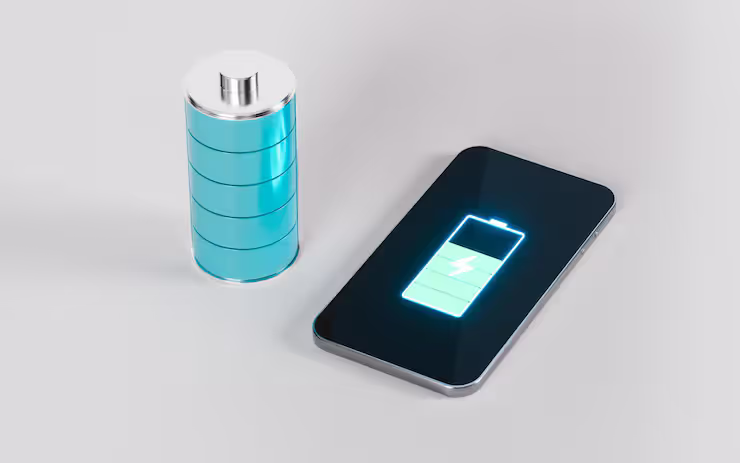
Long lasting smartphone batteries play a critical role in modern mobile devices. As smartphones have become essential tools for communication, productivity, entertainment, and navigation, users increasingly expect devices to operate throughout the day without frequent charging.
Power inside a smartphone gets held in its battery, feeding energy to parts like the screen, camera, and brain of the machine. Though small, that cell must keep up with heavy tasks such as streaming, browsing, or snapping photos without quitting early. Better materials and smarter charging now help batteries last longer between plugs, even when pushed hard.
Built to keep going, a durable phone battery lets you stay online longer without plugging in. Fewer charges mean less downtime during busy days. Powering today's apps smoothly becomes possible when energy runs steady. Efficiency matters most when features demand constant juice.
Smartphone Batteries How They Work
Smartphones usually come with either lithium-ion or lithium-polymer power cells. Thanks to their ability to store plenty of energy without adding bulk, these options have become standard. Recharging them multiple times over is part of what makes them practical.
Every time someone uses a smartphone, tiny chemistry happens in the battery to create electricity. From there, the phone’s internal control directs that power where it needs to go across different parts.
Several Factors Influence Smartphone Battery Life
- Battery capacity measured in milliampere-hours (mAh)
- Display size and brightness
- Processor efficiency
- Network usage
- Application activity
- Background processes
- Charging habits
- Software optimization
Battery life gets better because makers tweak how phones manage power. Efficiency climbs even though gadgets stay just as slim. Changes happen under the hood, not in the shape. Smaller drains add up thanks to smarter systems inside. Progress shows in longer use between charges. Design stays familiar while hidden upgrades do the work.
Key Battery Technologies and Features
Standard Battery
- 3,000–4,500 mAh
- Moderate daily use
- More charging
- Limited gaming time
- Shorter video playback
- Average lifespan
High Capacity Battery
- 5,000–7,000+ mAh
- Heavy daily use
- Less charging
- Longer gaming time
- Extended video playback
- Longer lifespan
Screen time stretches further when a phone packs a bigger battery. That sort of power means fewer plugs into outlets between morning and night.
Important Features
- Adaptive battery management
- Smart charging systems
- Thermal protection mechanisms
- Power-efficient processors
- AI-based energy optimization
- Fast charging smartphone battery support
- Battery health monitoring
- Dynamic refresh rate displays
What makes the battery last longer also keeps the phone running safely. A steady design means fewer surprises over time. Built to stay strong, it handles daily use without slipping. Safety stays high because each part works smoothly with the next. Long life comes not by chance, but through careful balance.
Long Battery Life Keeps Devices Running Longer
Battery life that you can count on matters more now, whether at home or work. What once seemed minor actually shapes how people get things done each day.
Benefits for Users
- Extended communication during travel
- Improved productivity during work hours
- Fewer plugs needed now that devices last longer between charges
- Better support for gaming and multimedia
- Increased convenience during emergencies
- Consistent device availability
When people move around a lot, their phones need to last longer between charges. Working far from an office means staying connected without constant access to power matters more. Heavy app use during daylight hours pushes battery limits quickly sometimes. Devices that manage energy well become essential under these conditions often.
Advanced Batteries Address Everyday Challenges
Battery life improves when new tech tackles daily phone problems. Phones hold charge longer thanks to smarter energy storage. Charging speed gets a boost without overheating risks. Less downtime happens because updates fix power drain issues. Some designs even handle extreme temperatures better than before.
Challenges Addressed
- Rapid battery drain
- Excessive heat generation
- Reduced battery lifespan
- Frequent charging interruptions
- Performance throttling during heavy usage
- Energy waste from background applications
By fine-tuning how phones manage battery life, makers cut wasted energy - device runtime gets better without extra effort. Power lasts longer when background tasks are trimmed down; efficiency climbs quietly behind the scenes.
Smartphone Battery Life Influences
Many users experience varying battery performance depending on how their devices are used.
Major Influencing Factors
- High screen brightness
- Continuous GPS usage
- Mobile gaming
- Video streaming
- Multiple background applications
- Poor network signals
- Always-on displays
- High refresh rate settings
When people know how these things work, they find it easier to keep their phone batteries lasting longer while still using what matters most. Yet staying aware of each detail makes a difference even when routines stay the same.
Battery Optimization Techniques
Smartphone manufacturers integrate several optimization methods to improve battery efficiency.
Software-Based Optimization
- AI-powered power management
- Background app restrictions
- Adaptive brightness controls
- Sleep modes for inactive applications
- Battery usage analytics
Hardware-Based Optimization
- Energy-efficient chipsets
- OLED display technology
- Improved battery chemistry
- Advanced cooling systems
- Efficient wireless connectivity components
Hardware tweaks alongside smarter code help stretch a phone's battery life further. A device runs longer when circuits and programs work better together. Efficiency climbs once components sync cleanly with background tasks. Better power control shows up most after updates pair with new chips. Longevity grows where engineering meets cleaner app behavior.
Fast Charging with Updated Power Handling
These days, plenty of phones come built with speedy charging. Instead of waiting hours, the battery gets power back in less time compared to old methods.
Modern Charging Technologies Include
- USB Power Delivery (USB-PD)
- Programmable Power Supply (PPS)
- Quick Charge technologies
- Proprietary ultra-fast charging systems
- Wireless fast charging
Far along in the charge cycle, makers build in smart systems - these ease up on power flow. Fullness gets sensed, then speed drops, all to guard battery life over time.
Smartphone Battery Types
Battery types in use today differ from those still being tested. Some work relies on ideas not yet proven. Each version moves at its own pace. Progress shows up in labs more than stores. What powers devices now might change soon.
Lithium-Ion Batteries
- Most common technology
- High energy density
- Reliable performance
- Long cycle life
Lithium-Polymer Batteries
- Flexible design options
- Lightweight construction
- Enhanced safety features
- Found often in high-end gadgets
Emerging Battery Technologies
- Silicon-anode batteries
- Solid-state batteries
- Advanced lithium-metal designs
- Graphene-enhanced battery research
Battery life gets a boost as new tech rolls out, though stronger materials help too. Longer use between charges becomes possible because innovations focus on staying power; meanwhile wear and tear slows down.
Recent Changes and Patterns 2025 to 2026
Built to last longer, today’s batteries charge faster than before. Sudden jumps in materials science pushed performance up. Some now hold more power without growing bigger. Progress arrived quietly through tiny improvements adding up. Engineers found ways around old limits just recently. New designs began appearing in devices people already own.
Notable Industry Trends
- Increased adoption of silicon-carbon battery technology in premium smartphones during 2025
- Expansion of batteries exceeding 6,000 mAh capacity in mainstream devices
- Battery care got smarter through 2025, thanks to evolving software tricks
- Improved energy-efficient processors built using advanced semiconductor manufacturing processes
- Growth in ultra-fast charging technologies capable of significantly reducing charging times
Smartphones now run smarter, their built-in software adjusting power use on its own. These updates learn habits slowly over time. A quiet background shift improves how long batteries last each day. Operating systems handle energy flow more smoothly than before. Changes happen without asking, adapting after hours of regular use. Power stretches further thanks to hidden learning routines.
Battery life gets a boost from these new ideas, even as phones stay slim. Not only do gadgets run longer, they fit easier in pockets too. With clever tweaks behind the scenes, power stretches further without adding bulk. Smaller parts now do more work, letting screens shine longer on a single charge. Efficiency jumps up, yet size stays put. Progress hides inside tiny spaces, making each millimeter count.
Battery Safety Rules and Laws
Battery safety still matters a lot - both makers and people who buy them keep it in mind. How well devices hold up over time often shows right away during daily use.
Battery making and checking follows rules set by global groups.
Common Safety Frameworks
- IEC battery safety standards
- UN transportation regulations for lithium batteries
- Consumer electronics certification requirements
- Environmental compliance regulations
- Recycling and disposal guidelines
Battery safety demands thorough checks by makers across different situations. Testing happens first, only then comes confidence in performance. When conditions shift, the battery still needs to hold up. Every scenario gets examined before approval. Without these steps, risks grow too high. Real-world use drives how tests are set up. Safety cannot wait till after problems show.
Tools and Resources That Help
Curious about how your battery holds up over time? Tools exist that track its health closely. Some apps show wear patterns slowly appearing. Others highlight charging habits affecting longevity. A few give alerts when drops happen without warning. Checking these helps spot issues early. Results might surprise you - especially after months of regular use.
Helpful Tools
- Built-in battery health dashboards
- Android Battery Usage reports
- iOS Battery Health features
- Device diagnostic applications
- Power consumption monitoring tools
Learning Resources
- Smartphone manufacturer support documentation
- Battery technology educational websites
- Consumer electronics publications
- Technical battery research journals
- Mobile hardware analysis platforms
Battery performance becomes clearer when people explore these materials, while device effectiveness often gets a quiet boost. A few find their way through the details without much fuss, yet still come out ahead somehow.
Ways to Help Your Battery Last Longer
Small changes each day add up when it comes to keeping your battery healthy. A few tweaks here, consistency there, slowly make a difference over time.
Recommended Practices
- Keep software updated
- Use adaptive brightness settings
- Limit unnecessary background activity
- Avoid extreme temperatures
- Use certified charging accessories
- Switch on power-saving settings if the situation calls for it
- Disconnect chargers after full charging when possible
- Monitor battery health periodically
Most of these routines help your phone's battery last longer, keeping things running smoothly later on down the road. A steady pattern here means less drop-off when you need it most.
FAQs
What Is Considered a Good Smartphone Battery Capacity?
Most people find a power reserve from 5,000 mAh up to 6,000 mAh fits their needs just fine. With everyday tasks, that much juice typically lasts through the full day.
Does Fast Charging Reduce Battery Lifespan?
Charging your phone quickly today? Heat gets managed on its own, thanks to built-in smarts inside the system. Power flow shifts carefully, step by step, keeping stress off the cell over time. Done right, wear and tear slows down without you lifting a finger.
What Steps Help Extend a Phone's Charge Between Uses?
Start dimming the display a little lower each day. When apps sit idle behind what you see, close them one at a time. Flip on built-in power helpers found in settings menus. Old code fades fast - refresh programs whenever new versions appear.
What Makes a Battery Saving Smartphone Efficient?
Smartphones that save battery life often pack a punch through clever design choices - like using chips built for low drain while running smooth, lean operating systems. These devices think ahead about power, adapting on the fly so less juice gets wasted. A smart balance kicks in, shifting resources only where needed. Bigger batteries help too, lasting longer between charges thanks to behind-the-scenes tuning.
Could a Bigger Battery Inside Your Phone Actually Cause Problems Sometimes?
Most phones last longer when their batteries hold more charge. Yet how well they perform ties closely to smart coding behind scenes. Efficiency of the brain inside matters just as much. Bright screens eat power fast unless built carefully. Each piece plays a role beyond raw size alone.
Conclusion
These days, a phone that keeps going matters more than ever. Thanks to better materials inside the power cells, along with smarter ways to refill them, things have shifted dramatically. Processing units now sip energy instead of guzzling it. Software tweaks quietly stretch every drop of charge. Together, these changes mean less searching for outlets.
Battery life in smartphones could get better when makers build smarter ways to store energy. Charging might feel easier once new systems roll out that adjust how power flows. Reliability often follows when tech inside phones learns to balance demands more smoothly. Makers keep tweaking materials and software, which slowly changes how long devices last between plugs.
Battery life gets better when people learn how it works, treat it right every day, also keep up with what's new. A little attention goes a long way - smart choices today mean phones last longer tomorrow.