Mobile data protection refers to the methods, tools, and practices used to secure personal and sensitive information stored or transmitted on smartphones. As mobile devices are deeply integrated into daily life, ensuring mobile data privacy has become essential. From banking apps to social media, smartphones handle large amounts of confidential data, making them a common target for cyber threats.
Keeping personal details safe on phones means blocking unwanted eyes, stopping sneaky grabs, or preventing leaks. Protection lives through tools built into devices, programs running quietly, plus how people actually use their gadgets every day.
Mobile Data Protection Explained
Security on mobile devices stacks different defenses, each layer helping guard information whether stored or moving between systems.
Most phones lock down information using scrambled code. Without the right key, that data looks like nonsense. A password might guard your phone; a fingerprint could do the job too. Face scans or number codes also help keep things private. Each method acts like a separate lock on the door.
Out on the web, information moves safer when safeguards are built into the network itself. Using tools such as HTTPS or a virtual private network keeps prying eyes away while files travel between systems.
Apps stay separated by design, thanks to isolation methods baked into operating systems. This barrier stops unwanted data transfers between programs automatically. Sandboxing handles it quietly behind the scenes.
Common Threats to Mobile Data
Grasping risks helps shape stronger safeguards. When dangers become clear, defenses adjust more precisely.
Mobile Data Risk Types
- Malware and spyware that steal sensitive information
- Phishing attacks through messages or emails
- Public Wi-Fi vulnerabilities exposing user data
- Unauthorized app access to personal information
- Data breaches due to weak passwords
Stopping threats means using solid protection on phones along with smart habits. What you do matters just as much as the tools.
Mobile Data Protection Key Features
Security on phones relies on key tools meant to guard information. These parts connect in different ways to keep details safe. Each piece plays a role without standing out too much. Protection happens step by step through quiet actions. Nothing flashy, just steady shields doing their job.
Core Security Features
- Data encryption for stored and transmitted information
- Multi-factor authentication for secure access
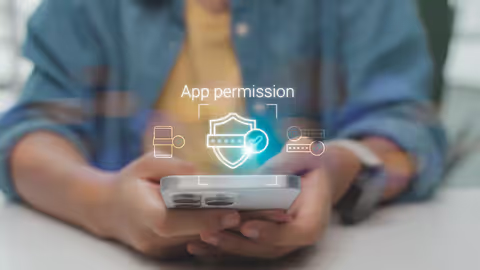
- Sharing of data gets limited through app permission settings
- Remote wipe capability for lost or stolen devices
- Secure backup systems to prevent data loss
- Anti-malware protection to detect threats
Because of these tools, personal information stays safer on phones. That makes it harder for strangers to sneak in.
Mobile Data Protection Types
Some ways guard phone info based on what people require. Others shift tactics when demands change. A few rely on old methods if simplicity matters most. Sometimes settings adjust automatically without asking first. Protection changes shape depending on who uses it.
Protection Methods
- Device-level protection using passwords and biometrics
- Application-level security for mobile app privacy
- Network security through VPNs and secure connections
- Cloud-based protection for data storage and backup
- Enterprise mobility management for business users
One way helps guard information on phones. Another adds a layer of safety too. Ways like these work together without making noise. Protection grows stronger because of how they link up. Every approach plays its part quietly.
Tools and platforms for protecting mobile data
From time to time, certain apps show up that tighten how safely your phone handles information. These often bring clearer ways to manage who sees what you share.
Tools and resources that help
- Mobile security apps for malware detection and prevention
- VPN applications for secure internet browsing
- Password managers for storing credentials safely
- Operating system security settings for built-in protection
- Privacy dashboards to monitor app activity
A solid mobile data protection tool might just keep your phone safer than expected. What matters is picking one that actually works without slowing things down. Some apps quietly guard info while others make too much noise. Safety often comes down to how well it runs in the background. A good fit feels invisible yet stays alert at all times.
Recent Trends and Developments 2025–2026
These days, keeping mobile information safe changes fast because of fresh tools along with stricter rules.
Across the globe, officials began setting rules so personal information stays safer. One step at a time, these measures aim to hold companies accountable for how they handle private details.
Key Regulations
- Europe's GDPR puts control in users' hands when it comes to personal information.
- Permission matters most before collecting any details.
- Rules shape how companies handle what people share online.
- Rights belong to individuals about their own digital traces. Clear choices guide who gets access, always reversible.
- Privacy isn’t optional under these standards - compliance is built into practice.
Frequently Asked Questions
What is mobile data protection and why is it important?
Phones hold personal details that need shielding from intruders. Because breaches can lead to stolen identities or private info being exploited, safeguards matter. Starting a device without locks invites trouble. Protection kicks in the moment someone tries to peek where they should not. Without barriers, data slips into wrong hands too easily. Locked screens form one layer among many. Think of messages, photos, accounts - all sitting together inside a small machine. That tiny box carries more than most realize. Guarding it means fewer surprises later.
What steps help protect personal information when using mobile internet?
Start with a solid password to lock down your phone's data. App access? Trim it back only to what you truly need. Scrambling information through encryption adds another wall against snooping eyes. Lean on well-reviewed protection software that earns its keep every day.
Are mobile security apps necessary for android data security?
Most phones come with basic defenses, yet standalone security tools add layers that guard against scams, viruses, or strangers logging in without permission.
What are the biggest risks to mobile app privacy?
Most danger comes from apps asking too much access. Tracking user data piles up problems behind the scenes. Connections without protection open doors by accident. Some programs are built to harm, hiding in plain sight.
How do laws support privacy and data protection on mobile devices?
Because of rules such as GDPR and India’s data law, businesses must manage personal details carefully while letting people decide how their info is used. Though these laws differ slightly, each pushes firms to be clearer about what they do with private records. Where one rule focuses on consent, another stresses transparency - yet both place power back into individual hands. Rules exist not just to punish but to shape habits around privacy. How a company responds often shows its true stance on trust.
Conclusion
Phones today hold plenty of personal details, making their safety more important than ever. Because these devices manage so much private data, any leak could lead to serious issues. When people learn what happens behind the scenes with their info, better choices follow naturally. Stronger habits around settings and apps often mean fewer surprises down the road.
Protection gets stronger when passwords are tough, data scrambled, apps picked wisely, one solid tool after another layered on top. Tech keeps moving forward, rules tighten up - phones start feeling safer, built around how people actually live. Knowing what's new, doing what works - that sticks as the core way to guard work stuff and private moments alike.