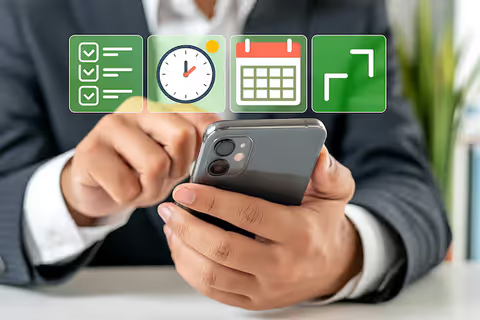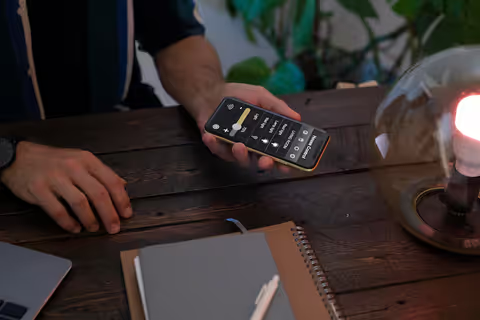
Mobile multitasking refers to the ability of a smartphone to run multiple applications or processes at the same time. Modern smartphones are designed to switch between apps quickly, support background tasks, and improve overall user productivity. From streaming videos while chatting to editing documents during video calls, mobile multitasking has become an important feature in everyday smartphone use.
Smooth app switching matters more now phones keep changing. When tasks pile up, a device must keep pace somehow. Fast performance becomes noticeable during heavy use instead of just on paper. Battery life gains importance once you're away from outlets often. People look closely at which models manage stress well while staying reliable. Speed alone does not win if everything else drains fast anyway.
How Mobile Multitasking Works
Most phones juggle apps through both built-in parts and smart design. Chips inside handle tasks while memory keeps things running without lag. Fast storage helps open programs quickly when switching around. The system itself adjusts how power gets used so everything stays smooth.
Most of the time, opening multiple programs makes the system focus on whatever you are using right now. Background ones? They sit quietly in memory until needed again. Thanks to smart use of RAM, jumping back into an app feels fast - like it never closed at all.
Modern Android and iOS systems include advanced multitasking functions such as:
Key Functions
- Split-screen mode
- Floating app windows
- Background synchronization
- Gesture-based app switching
- Picture-in-picture video playback
- AI-based memory optimization
Most times a phone juggling many jobs runs better when it packs faster processing plus extra memory inside.
Mobile Multitasking Matters
Most folks keep busy using phones for work stuff while also chatting with others throughout the day. Phones help people learn new things without needing a classroom nearby at times. Some handle money matters on their devices when it fits their schedule better. Getting around town gets easier because maps fit right in a pocket sometimes. Making videos or editing photos happens more often during short breaks between activities too.
Working on several tasks at once helps avoid waiting times while keeping work moving smoothly. Particularly helpful when handling more than one thing at a time
Common Everyday Uses
- Attending virtual meetings while taking notes
- Editing media during file uploads
- Navigating maps while streaming music
- Managing emails alongside cloud documents
- Running gaming applications with voice chat
Speed matters a lot when people pick phones that handle many tasks at once. Stability shows up high on their list too.
Factors Influencing How Well You Handle Multiple Tasks
memory size also plays a big role in smooth performance. When speed lags, it often ties back to outdated chipsets. Some phones manage apps better thanks to efficient software design. Even storage type can influence how fast things run behind the scenes. Knowing what drives responsiveness lets people compare models with clearer eyes.
The processor runs several apps at once while managing hidden processes too. Active programs live in RAM, which helps shift between them without delays. How fast an app opens depends on the kind of storage built into the device. A higher screen refresh rate brings fluid motion when moving from one window to another.
Modern Smartphone Multitasking Features
A top phone for handling many tasks at once often runs smooth software alongside strong internal parts. What helps most is how well the system keeps up without slowing down. Efficiency tends to rise when features work together quietly in the background. Speed matters less than steady performance over time. Some models manage apps switching better thanks to smarter resource sharing. The experience feels lighter when everything loads fast but stays stable.
Common Smartphone Features
- High RAM capacity
- Fast UFS storage technology
- Multi-window support
- AI performance optimization
- Adaptive battery management
- High-refresh-rate displays
- Efficient thermal cooling systems
Opening up like a book, these phones give more space so apps can work side by side without crowding. Instead of squeezing tasks into small windows, users spread them out across the display. One app runs here while another keeps going over there. With extra room comes smoother switching between jobs. Doing two things at once feels less crowded now. The screen unfolds to make it happen naturally.
Android Productivity Features
- App pairs for launching two apps together
- Floating notification windows
- Desktop-style interfaces
- Smart sidebar shortcuts
- Enhanced gaming modes
Still pushing changes, companies like Samsung roll out fresh tweaks to how phones handle multiple apps at once. Updates from Google keep shaping the way tasks run together behind the scenes. Over time, OnePlus also adjusts its systems so switching between jobs feels smoother.
Mobile Multitasking Challenges
Even when doing many things at once feels handy, too much happening behind the scenes may slow everything down.
Common Issues
- Faster battery drain
- Device overheating
- Reduced gaming performance
- Background app crashes
- Slower app switching on low-memory devices
When phones get older, keeping up with heavy tasks becomes harder - tight memory plus aging chips slow things down. Yet tidying up apps and clearing space might ease the strain a bit.
Mobile Multitasking Recent Shifts
Midway through 2025, phone makers rolled out new ways to handle multiple apps at once. Instead of guessing, devices began using artificial intelligence to know which programs users would open next. Power lasted longer because the system adjusted energy use on its own. Memory got managed smarter, not harder, by learning daily patterns. By 2026, these changes were standard across most models.
Recent developments include:
Industry Trends
- AI-powered app prioritization systems in 2025
- Improved foldable device multitasking layouts
- Advanced on-device processing for productivity tools
How 5G Affects Phone Multitasking
With 5G, doing more at once online feels smoother because speeds go up while delays drop. Cloud apps run better when links stay quick, making teamwork happen faster. Real-time tasks keep pace without waiting.
Users can now:
5G-Driven Improvements
- Upload large files while video conferencing
- Stream high-resolution content without interruptions
- Access cloud gaming platforms
- Synchronize multiple connected devices quickly
Faster connections along with stronger chips now make phones handle many tasks at once much better.
Security and Privacy Considerations
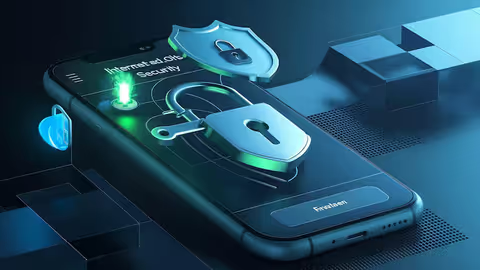
Running multiple apps simultaneously increases the importance of mobile security and privacy protection.
Not too long ago, fresh rules around online data protection began showing up across various areas. Take, for instance - new policies rolled out in different parts of the world lately
Important Regulations
- General Data Protection Regulation (GDPR) in Europe
- Digital Personal Data Protection Act in India
- Mobile application permission transparency policies
Staying on top of app access means checking settings now and then. Updates pop up for a reason - paying attention helps things run without hiccups. Jumping between tasks safely? That depends on how current your setup stays.
Entry Level vs Flagship Multitasking Devices
Different smartphone categories provide varying multitasking capabilities.
Basic phones manage simple jobs like checking websites or using basic apps. Starting the day with a budget model means it works fine for messages and short web trips. Moving up, mid-priced smartphones keep pace with videos, chats, posts, plus document edits without lag. These devices handle daily digital routines smoothly. At the top, high-end models power through heavy games, photo tweaks, voice tools, along with juggling many functions at once. Performance climbs noticeably when hardware gets stronger. Running tough software feels natural on the latest releases. Each tier offers more muscle than the one before it. Heavier workloads need better chips, which premium ones include by default. Even background tasks respond faster when specs improve.
Mobile multitasking tools and platforms
Some apps aim straight at making phones better for juggling tasks. Efficiency gets a nudge when tools reshape how you work on mobile. Phones transform quietly through focused software built for speed and flow.
Useful Productivity Platforms
- Google Workspace
- Microsoft Teams
- Notion
- Trello
- Slack
Working on different gadgets? These tools keep your files, chats, and checklists moving smoothly. A change here shows up there - no extra steps needed. Jump between phone, tablet, or computer without losing pace. What you edit on one appears just like that on another. Team updates flow freely, tasks stay marked clearly, notes never vanish mid-switch.
Tools To Learn Mobile Device Task Management
For those curious about how phones run faster, learning more on device parts plus software might help. Some folks look into guides that explain what makes smartphones tick under the hood instead of just using them blindly. Digging into how systems manage memory or power gives a clearer picture than guessing why things slow down. Exploring material focused on chips, updates, or battery use opens doors once closed by confusion. Knowledge around these topics tends to quietly shift how people interact with their devices daily.
Helpful Learning Sources
- Official Android developer documentation
- Smartphone manufacturer support portals
- Mobile chipset technical blogs
- Online technology learning platforms
- Digital productivity tutorials
Start smart by knowing how memory works alongside chip design - this shapes what a phone handles smoothly. When apps run fast, it often ties back to clever coding inside the system. Think beyond specs; real performance hides in how parts cooperate behind scenes. A device might seem strong on paper yet lag if pieces do not sync well. Choices get clearer once you see how software talks to hardware. Each detail matters when doing many things at once.
Future of Mobile Multitasking
One thing might lead to another when phones start using smarter software alongside remote data systems. Instead of just apps, they could handle tasks once stuck on bigger machines. A shift like that would come from pieces fitting together behind the scenes. These devices may begin acting less like gadgets and more like workspaces you carry around. Over time, what people do at desks might slowly move into their pockets without needing extra gear.
Down the road, changes might show up like this:
Future Innovations
- AI-generated workflow suggestions
- Improved augmented reality multitasking
- Advanced voice-controlled navigation
- Better cross-platform synchronization
- Energy-efficient background processing
Faster chips might push high-end phones to handle tasks once saved for computers. Expect tools like desktop modes or split-screen edits showing up more often in top models.
FAQs
What is mobile multitasking in smartphones?
Running more than one app at once on a phone happens without slowdowns, thanks to how the system handles background activity. Quick switches between programs feel natural because resources are managed behind the scenes. Smooth operation stays consistent even when several functions work together. Performance holds up as long as the device balances load efficiently.
Why is RAM important for multitasking phones?
When apps run, they live in RAM for a short time. Because of extra space there, many programs can stay ready at once - yet the machine keeps moving fast.
What makes the best multitasking android phone different from basic models?
Most phones that handle many tasks well come packed with powerful chips, more memory, quick storage, yet rely on smart updates behind the scenes. Performance stays steady when parts work together without dragging down speed or response time.
Does doing more than one thing at a time drain your phone's power faster?
True. When several programs run at once, power drains faster - particularly while playing games, cutting videos, or watching long streams.
Are foldable smartphones better for multitasking?
Opening up like a book, these phones give more screen space plus better ways to run two apps at once. Their design helps when juggling tasks that need attention side by side. A bigger view shows up the moment you unfold it. Doing several things becomes smoother thanks to how the display divides itself. Useful doesn’t begin to cover what they handle daily.
Conclusion
Doing many things at once on phones matters a lot these days. Phones juggle talking, fun, work stuff - better than they used to. Faster chips help, so does extra memory, smarter software tricks, along with stronger network links. These upgrades make switching between jobs smoother, no matter the phone type.
Picking a phone that handles many tasks at once? Think about how fast it runs, how well the system works together, then whether it’ll still feel smooth years down the line. When tech moves ahead - like faster chips or smarter updates - the way phones juggle apps changes too, fitting more of what people actually do each day.