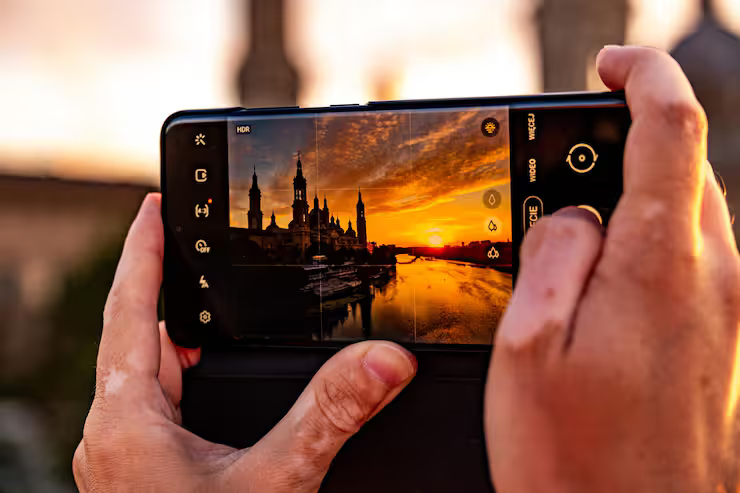
Mobile photography apps have transformed how people capture, edit, and share images using smartphones. A modern phone app for photo editing is no longer limited to basic adjustments; it now includes advanced tools like AI enhancements, layered editing, and real-time filters. These apps help users improve image quality, adjust lighting, and apply creative effects without needing professional software.
Nowadays, snapping pics isn’t just for experts - anyone can tweak shots fast using phone tools. As online sharing grows, more people reach for apps that make images look sharp without long edits. Not only hobbyists but also those earning from visuals lean on these handy programs. Speed matters, so slick results matter more than slow tricks. Mobile editing fits tight schedules, turning rough snaps into clean outputs almost instantly.
How Mobile Photography Apps Function
Most mobile photo apps link straight to your phone's built-in camera and image library. These tools open up right after you snap a picture, so changes happen fast. Instead of waiting, people adjust colors, crop frames, or apply filters on the spot. Behind the scenes, some functions store data online, making backups automatic. Whether it runs on an iPhone or Android, the process feels smooth because everything ties together - capture, tweak, save - without slowing down.
Most apps follow a structured workflow:
- Image capture or import from gallery
- Start off by tweaking how bright the image looks. Then shift attention to its contrast levels next. A quick crop can fix framing issues too
- Color grading shows up in subtle shifts across the frame. Filters change how light lands on skin and surfaces. Retouching smooths out flaws without removing texture entirely
- Export or sharing to social platforms
Picture software on iPhones might run smoother thanks to tweaks made just for Apple's system. On Androids, such tools usually allow more room to adjust settings depending on the device’s build.
importance and real world use cases
Out of reach just a few years ago, phone cameras now snap shots good enough for work or chat. Instead of bulky gear, people tap lightweight tools that fit right inside their pockets.
Among the main applications are these examples
- Social media content creation for platforms like Instagram and Facebook
- Product photography for small businesses and online catalogs
- Travel photography with quick editing on the go
- Personal memories enhancement and archiving
- Visual storytelling for bloggers and influencers
Snapping a picture with your phone? That moment can now turn into a polished post without opening a laptop. Tools once stuck on computers live right in your pocket. Tap, tweak, share - no cables required. Desktop software fades when apps handle the job on their own.
key features and components
Editing Tools
- Light levels shift first. Then shadows stretch wider. Colors deepen without tipping into loudness. A moment later the overall glow balances out
- Cropping, rotation, and perspective correction
- Noise reduction and sharpening
- Preset filters for quick enhancement
- Custom filter creation
- Tools often found in the best filter app for photos
Advanced Features
- AI-powered enhancements
- Background removal and object editing
- Layer-based editing for precision
- Direct sharing to social platforms
- High-resolution export options
- Cloud storage integration
Smooth running and clean looks shape many iPhone photo editing tools. Yet on Android, the top choices tend to shine through personal tweaks and room to adapt.
Mobile Photography App Types
Some mobile photo tools sort by what they do first. One type fixes lighting right away. Another builds frames around shots slowly. A few let you paint over parts after snapping. Some shift colors into wild patterns. Others clean up faces without asking. Each works differently but fits a main job
Every so often, a basic editing app shows up. These let people tweak photos fast. Mostly, casual users reach for them. When sharper control matters, advanced apps enter the scene. Photographers lean on these. Designers do too. Their needs push past simple fixes. Some apps build around filters. Visual flair comes first here. Presets shape how things look. Social media folks grab these most. Camera apps open more dials. Manual options live inside. Enthusiasts enjoy that level of grip. They like setting each piece by hand. Now, artificial intelligence slips into photo tools. Learning algorithms adjust images alone. Beginners find help there. Pros sometimes rely on it.
Most people check out photo apps when they want something that works well with their phone plus fits how they edit pictures.
recent trends and developments
Fresh ideas in phone camera software popped up everywhere last twelve months. Smarter algorithms helped shape what people now expect from snapshot quality. Pushed forward not just by tech leaps but also by how users want images to look today.
AI Integration (2025–2026)
- Brightness gets fixed by smart software without needing a person. Color tones shift into place thanks to hidden systems. Crisp details appear where things once looked fuzzy
- Now objects vanish cleaner from photos. Sky swaps feel less fake than before. Tools adjust edges better without help. Mistakes happen far less often these days. Precision improves with each update silently. Backgrounds blend smoother almost every time. Edges line up closer to real life now. Little errors fade into the background naturally
- Live filters during photo capture
- Instant previews before taking the shot
Cross-Platform Compatibility
- Seamless syncing between iphone photo application and android versions
- Cloud-based editing workflows
- Apps increasingly follow data protection guidelines such as GDPR
- Control shifts toward users when storing images, while access settings respond directly to individual choices
Content Creation Tools
- Built-in templates for social media posts
- Video and photo hybrid editing features
Now apps work better and reach more people, particularly those hunting a top photo editor for android or stronger features on iOS. What changed helps them do more without slowing down. Tools feel smoother, even on older devices. Some improvements quietly boost performance behind the scenes. Others show up right away when you open the app. Each tweak adds up without calling attention to itself. Most changes support what users already do, just faster. Even small fixes help when they stack together across platforms.
Regulations and Policies
When mobile photo apps manage pictures or personal details, they follow rules about digital safety and privacy. Though built for convenience, such tools stick to laws meant to protect information. Whether storing snaps or collecting metadata, these platforms meet standards set by regulators. Images stay under control through systems designed with legal limits in mind. Since data moves across servers, safeguards kick in without delay. Rules shape how features work behind the scenes. User files remain handled within boundaries defined by policy.
Key considerations include:
- Data protection laws such as GDPR for global users
- App store policies from Apple and Google regarding permissions
- Copyright laws related to image usage and editing
- Transparency in AI-generated edits and enhancements
Before hitting install on a photo editor, people ought take a quick look at what access it wants. That peek into permissions shows just how much control the app grabs over personal info. Sometimes those requests feel odd - like asking for contacts when all you want is filters. A moment spent checking now might stop headaches later down the road. Safety slips through small cracks if ignored too often.
Tools and platforms that help
From time to time, one finds apps for photos on various sites. While some offer simple features, others include complex editing options.
Popular Platforms
- Apple App Store for photo app iphone downloads
- Google Play Store for photo app for android options
- Developer websites for direct updates and tutorials
Learning Resources
- Online tutorials on photography techniques
- Video guides on editing workflows
- Community forums for app recommendations and tips
Looking into how each platform handles photo downloads through apps lets people see what works best. Some let you grab images faster, others keep quality higher. Picking one comes down to which details matter most. Each choice reveals different strengths when saving pictures.
Mobile Photography Apps Offer Convenience and Creative Tools
Mobile photography apps provide several advantages that make them essential tools for modern users.
Convenience
- Whenever you want, tweak pictures. From any place, make changes to images
- Desktop programs aren’t required anymore
- One app might bundle several tools together. Still, each feature works on its own. Some platforms combine functions you’d usually find separate. Yet they run smoothly in one place. A few manage complex tasks without extra software. Even so, everything stays inside a single interface
Accessibility
- Easy-to-use interfaces for beginners
- Advanced features for professionals
- Wide range of filters and effects
- Custom editing options
Out of reach for most? Not anymore - snap quality shots using just your phone thanks to smart app design. Effort drops sharply when tools shape photos like a pro did them. Little time needed, yet results surprise even picky eyes. Smooth steps guide each tap, turning basics into brilliance without fuss.
Challenges and Limitations
Despite their advantages, mobile photography apps also have some limitations:
- Some tools run slower than programs on big computers
- Storage constraints on mobile devices
- Overuse of filters leading to unnatural results
- Variability in performance across devices
Most photo filtering apps work differently depending on your phone's setup. Picking one that fits means checking what tools it offers alongside how well it runs. Some editing software brings more options yet might slow older models down. Matching capability with performance shapes the right choice clearly.
FAQs
One way to look at it - iPhone photo apps often work tightly with the device they came?
Optimization shapes how each works best on its own system. Instead of one-size-fits-all design, Apple builds its photo app tightly around iPhones. Android versions handle many device types, offering more ways to adjust features. Compatibility becomes broader because different brands run the operating system.
Can mobile photography apps replace professional editing software?
Some people find them useful. Today's mobile applications include smart editing options along with multi-step tweaks, yet experts often stick to computer software when handling detailed work.
How do I choose the best phone app for photo editing?
Start by thinking about how simple an app feels when you open it. One might work well on your phone but not your tablet, so check what devices it supports. Features matter too - some pack in tools you won’t need. Updates now and then keep things running smoothly, so watch how often they arrive. Trying a few different ones gives a clearer picture than sticking to just one.
Are mobile photography apps safe to use?
Though many apps stick to rules set by stores and laws on data, checking what they’re allowed to access makes sense first. Not every feature needs your contacts or location - some just want too much.
What features should I look for in the best filter app for photos?
Start by checking if filters can be adjusted to fit your needs. See whether you get a live view of changes before saving. Quality matters - make sure the result stays sharp and clean. It has to run smoothly on whatever gadget you use.
Conclusion
Out there among everyday gadgets, mobile photography apps now play a key role in snapping pictures plus fixing them fast. Instead of just filters, they bring smart edits driven by artificial intelligence into reach for everyone. A person might grab an iPhone version one day, then try an Android option later - no big shift needed. Snapshots turn sharp right on the device itself, changing what regular phone photos can do. How folks take shots nowadays leans heavily on that instant control.
One day soon, phone apps might handle tough editing jobs once reserved for experts. Picking an app comes down to what you need it to do, whether your gadget can run it, plus how deep you want to go into tweaks and changes.