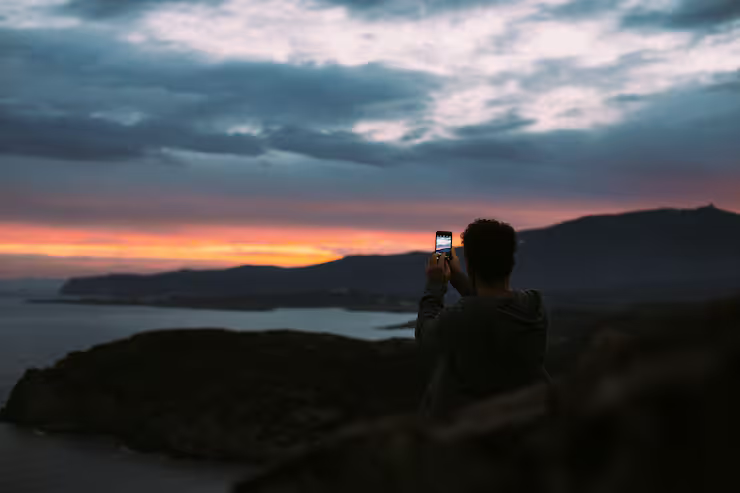
Night mode photography refers to camera technology designed to improve image quality in dark or low-light environments. Modern smartphones use advanced software, larger sensors, and AI-based processing to capture brighter and clearer photos at night. This feature has become essential for users who regularly take photos indoors, during evening events, or in city environments after sunset.
Limited light once turned phone pictures rough, smeared, yet washed out in tone. Now, clever software works alongside better sensors so nighttime shots come through clearer, despite old hardware limits.
Nowadays, snapping pics at night matters more because folks share so much online, snap while traveling, go on adventures after dark. Because of that shift, top-tier phones pack special nighttime settings - smart software blends multiple shots, uses clever algorithms to brighten scenes without mess. These tricks pull out detail shadows hide, keep colors from going wild, make dim spots look natural.
How Night Mode Photography Works
Darkness doesn’t stop the shot - cameras snap several versions of a scene, each lit differently, then merge them into one clear picture. How long it lasts? Between one second and five, swayed by how dim the room feels and what the lens can handle.
Modern devices use several technologies together:
Key Technologies Used
- Multi-frame image processing
- AI night mode camera algorithms
- Optical image stabilization
- Larger image sensors
- Noise reduction software
- HDR processing
- Computational photography systems
Pressing the shutter triggers multiple quick shots in low light. After that, smart processing lines up each frame to minimize shake. Clarity gets a boost as tones adjust automatically. Details sharpen without smudging edges across layers.
With less reliance on bright flashes, dimly lit photos can look smoother. A softer touch keeps scenes feeling real. Instead of harsh bursts, gentle lighting blends better. Shadows stay calm when intensity drops. Natural tones emerge where glare once lived.
Main Features
Darkness doesn’t stop today’s phones from taking sharp pictures. Built-in modes let average shooters snap clearer shots after sunset.
Common Features
- Automatic night scene detection
- Long exposure optimization
- AI-powered brightness enhancement
- Reduced digital noise
- Improved shadow detail
- Better skin tone rendering
- Astrophotography support
- Enhanced color correction
Folks, animals, structures - these are things the low-light camera tech spots. Because of that, it tweaks how photos come out. When dim lighting hits, recognition shapes adjustments. Buildings get sharper. Pets stay clear. Landscapes gain balance. What you see influences what changes happen behind the scenes. Night shots adapt without asking first.
Comparison
Standard Camera Mode versus Night Mode Photography with differences in exposure time brightness noise reduction detail retention motion handling ai processing and suitable conditions
Most everyday moments happen when lights are dim. Think of dinners, late walks, shows, busy streets after dark, gatherings under weak bulbs. Light might be scarce, yet capturing those instances matters just the same.
A high-quality night photography camera helps users:
Better Night Photography Offers Clearer Dark Shots
- Capture memories clearly in dark environments
- Reduce dependency on flash photography
- Improve social media content quality
- Enhance travel and street photography
- Record events with more realistic lighting
- Support creative photography styles
When it comes to dim lighting, smartphone cameras help reporters capture moments after dark. Clear images at night support social media outreach without studio gear. Teachers posting lessons notice better student engagement with sharper visuals. Filmmakers on tight schedules rely on handheld shots when lights fade. What stands out is how much quality improves across these fields.
Best Practices
Even when machines handle the work, people find ways to tweak how photos turn out. Some tricks help sharpen what the lens sees.
Useful Techniques
- Hold the phone steady while capturing
- Use tripod support for long exposures
- Turn away from bright lights shining straight at you
- Slide your finger to set focus whenever it suits you
- Keep camera lenses clean
- Use natural ambient lighting
- Avoid excessive digital zoom
- Turn on HDR if the option shows up
Shaky hands? Some phones handle it well thanks to built-in tech that calms motion during shots. These tools quietly steady the image, making photos clearer even when your grip isn’t perfect. Movement still happens - yet the phone works behind the scenes to smooth things out. Not every model does this equally, but top ones often do a solid job. Result? Less smudge, more detail without needing extra gear.
Advances in AI and computational photography
Darkness no longer stops phone cameras, thanks to smarter software inside. Starting in 2025, brands began slipping in advanced image tools that see how light falls, then tweak brightness on their own, mid-shot. These updates roll through hardware slowly, yet changes feel instant when you snap a picture at night. Instead of waiting for perfect conditions, phones now reshape what they capture while you press the button.
Recent developments include:
Recent Industry Trends
- Real-time AI image enhancement
- Improved night video recording
- Advanced RAW image processing
- AI-driven shadow recovery
- Periscope zoom support in low light
- Faster sensor readout speeds
- Better energy-efficient image processing chips
By late 2025, a few phone makers had slipped smart chips into their cameras - sharper night shots came faster. These tweaks trimmed lag without shouting about specs. Instead of waiting ages in dim light, photos snapped quicker than before. Not every brand jumped in at once, yet those who did found shadows clearer. Speed met clarity where older models used to blur or stall.
Folding screens now pack night-shooting smarts once found only in high-end photo handsets. Tiny flagships quietly mirror tricks long saved for pricier lenses.
night photography mode types
Different smartphone manufacturers provide specialized night modes depending on user needs.
Common Ways to Photograph at Night
- Standard Night Mode
- Portrait Night Mode
- Astrophotography Mode
- Night Video Mode
- Long Exposure Mode
- Street Night Photography
- AI Enhanced Night Capture
Longer shots of the night sky work better when using special camera settings made for space scenes. Stars show up clearer under those conditions. Moon glow becomes visible without washing out nearby features. Sky textures appear more defined through timed captures.
Smartphone Cameras Struggle with Low Light
Even with big upgrades, nighttime photo quality sometimes struggles. Still, a few issues pop up now and then when shooting after dark.
Common Limitations
- Motion blur from moving subjects
- Over-processing effects
- Artificial color enhancement
- Slower shutter speeds
- Faint details fade when night turns deepest black
- Battery consumption during processing
When light is dim, how well a camera performs hinges on the sensor's dimensions. Image clarity ties closely to the processor inside. Software tweaks shape results too. Bigger sensors grab more photons naturally. Processing speed affects detail retention after dark. Code adjustments can lift shadows without adding chaos. Each piece plays a role when brightness dips.
Best Camera Smartphones
Most top phone makers put big effort into how well cameras work at night. Bigger sensors inside the device often mean better quality, especially when smart software helps clean up the image.
Common Traits in Top Devices
- High-resolution primary sensors
- AI image signal processors
- Optical image stabilization
- Multi-lens camera systems
- Periscope telephoto lenses
- Advanced HDR engines
- Dedicated low-light optimization chips
When checking which phone takes the best pictures, people look closely at how well it handles low light. Night shots reveal a lot about a device's skill. Bright and dark parts of one scene test its balance. Shaky hands matter less if the system smooths motion. What stands out is how steadily it captures blur-free results.
Tools and resources for learning
For better nighttime phone photos, some folks check out learning sites along with photo apps. One option leads to another when sharpening dark shots through tutorials or software tweaks.
Recommended Learning Resources
- YouTube photography tutorials
- Smartphone camera user guides
- Digital photography blogs
- Mobile editing applications
- Online photography communities
- AI imaging research articles
Mobile Editing Tools That Help
- Adobe Lightroom Mobile
- Snapseed
- VSCO
- Google Photos
- Darkroom
- Pixlr
Fixing how light looks comes first when adjusting photos later. Yet darker areas can shift once brightness changes too. Shadows often need their own tweak even if contrast improves. Color feels off sometimes, so balancing it makes a difference then. After you take the shot, these steps bring back what was missing.
Privacy and Camera Rules
Pictures taken with phones can raise privacy questions, especially if rules differ where you are or how crowded a place feels. Knowing what's allowed near you matters just as much as pointing and shooting.
Important Considerations
- Respect photography restrictions in private spaces
- Avoid capturing individuals without consent
- Follow local drone and public recording regulations
- Understand event photography policies
By 2025, new talks on digital privacy popped up across nations, sparked by AI tools sharpening images and spotting faces through phone cameras. While some focused on how photos get tweaked automatically, others questioned who gets seen - and saved - without saying so. Because these changes happened quietly, reactions came slowly at first. Yet public interest grew once examples spread online. Even regions without strict rules began paying attention. Since smartphones are everywhere, concerns followed close behind. Though tech moves fast, debate lags - but not completely out of sight.
Future of Night Mode Photography
One step ahead, AI speed boosts could define how phones capture dark scenes. Instead of waiting, bigger sensors grab more light where it counts. Real time tricks shape photos before you even see them. Companies push harder into math-based camera smarts, narrowing the space between DSLRs and handhelds. Progress sneaks in through code, not just glass.
Expected developments include:
Future Innovations
- AI-generated exposure correction
- Real-time night scene enhancement
- Improved low-light zoom quality
- Enhanced cinematic night video
- More efficient image sensors
- Faster neural image processing
Faster chips inside phones could mean darker scenes get sharper shots without a separate camera. One day soon, most point-and-shoots might sit unused because of better lenses in pockets.
FAQs
What is night mode photography?
Darkness doesn’t stop the camera when night mode kicks in. It layers several shots together instead of relying on just one. Smart software tweaks each frame behind the scenes. Light levels rise without making things look fake. The whole process happens quietly, no flash needed. Details stay sharp where older methods would blur. What you get looks closer to what your eyes remember.
How does an AI night mode camera improve photos?
Darkness doesn’t stop some cameras anymore. Learning from tons of images helps them guess what’s actually there. Instead of grainy messes, you get cleaner views when lights go dim. Brightness creeps up where it was too weak before. Colors look closer to real life now. Edges turn crisper without turning fake. All of this happens because software adapts like a person might after staring awhile.
What makes shooting in dim lighting tough for phone cameras?
Finding good shots in dim settings pushes limits, since phone image sensors pack less surface area compared to pro gear, limiting how much light they gather on their own.
Do all smartphones support night photography mode?
Budget phones typically skip advanced night shooting tools. Mid-tier and high-end models often include them, thanks to specialized software that boosts low-light shots.
What helps improve mobile night photography results?
Hold the phone still. When you skip digital zoom, pictures stay sharper. Light around the scene helps a lot. Turn on smart camera settings for better results after dark.
Conclusion
Darkness no longer stops people from taking photos. Thanks to smarter software, improved light detectors, and number-crunching tricks inside phones, shots in dim places have gotten far clearer compared to older models. Suddenly, shadowy scenes look real.
Dark scene shots on phones keep getting better thanks to quicker chips, steadier capture, yet also sharper processing tricks. Travel snaps, parties, artistic tries, even casual scenes - dim lighting tools matter more than ever inside today’s phone cameras.
Picture this: clearer nights captured through phone lenses, where shades look truer and edges snap into focus. With each new model, low-light videos gain strength, stepping closer to daylight clarity. Progress pushes what cameras do after dark, frame by quiet frame.