Performance monitoring apps are tools designed to track, measure, and analyze how software systems perform in real time. These tools help developers, IT teams, and organizations ensure that applications run smoothly, respond quickly, and remain reliable under different conditions.
From the start, an application monitor gathers details like how fast it responds, how often errors pop up, what the processor is doing, how much memory it uses, along with every tap or click made by users. No matter if it runs on a phone, in a browser, or inside big company software, keeping watch helps catch slowdowns before they grow - fixing them happens faster because of it.
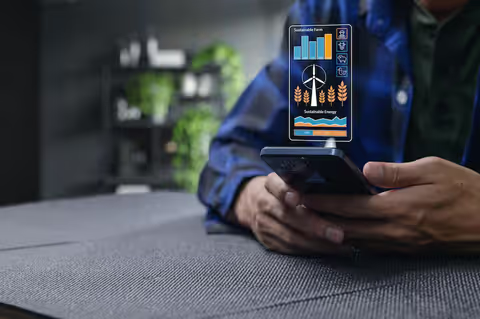
When things online get trickier, watching how apps behave matters a lot these days - keeps everything running smooth, people stay happy. A tool that checks app behavior helps avoid hiccups before they cause trouble. Without it, small issues might snowball without anyone noticing right away. Performance dips show up quietly, yet matter deeply when users expect speed. Such tools shine by spotting odd patterns early on. They act like quiet guards behind the scenes. Problems get caught not after damage but just before. This kind of watchful setup supports steady flow day after day. Satisfaction grows when glitches vanish silently.
Performance Monitoring Apps Function
From deep within app systems, performance tools pull information across many points. Servers feed them details, while databases share their inner activity too. APIs send signals about how they’re running at any moment. Even what happens on someone’s phone or tablet gets recorded along the way.
Out there, some tools pull performance numbers using agents or API links. From that point on, visuals like dashboards light up, warnings pop, summaries form - all built from what was collected earlier.
Page load speed, how fast servers reply, also whether sites stay online get watched closely in web apps. Crashes on phones, if the software works across different devices, alongside how users feel using it matter most when checking mobile apps.
From inside the system, a tool watches both servers and apps at once. Because it sees everything together, problems show up faster. When the back breaks, the front stumbles - now someone notices right away.
Out in the open, cloud app monitoring keeps an eye on scattered systems spread over many servers and locations. When apps run on remote infrastructure, they stay quick even when usage jumps suddenly.
Tracking How Systems Work
Watching how well digital systems work matters a lot these days. Functionality stays strong when speed and dependability are kept in check.
Left unchecked, tiny problems might snowball - disrupting service, shaking user trust, halting workflows. What starts quietly often ends loudly when oversight fades.
Key benefits include:
- Early detection of errors and performance bottlenecks
- Improved user experience through faster response times
- Smarter handling of tools improves how things run. Efficiency grows when processes work together smoothly. Systems perform well by cutting waste. Adjusting settings fine tunes results across platforms
- Reduced downtime and improved system reliability
- Data-driven decision-making for system improvements
Most companies stick with top-tier app monitoring because uptime matters just as much as speed. What keeps systems running smooth isn’t luck - it’s constant tracking. Tools that catch glitches early make sure users never face slowdowns. When software behaves, work flows. Performance slips less when alerts come fast. Watching every function helps avoid big failures down the line.
Real-World Use Cases
Apps that track performance show up just about everywhere these days, not stuck to one field or system. Different places rely on them in their own ways.
When online stores get busy, watching performance keeps pages opening fast. Banking apps stay steady and safe because they are constantly checked. Critical medical tools never go down since someone is always looking.
Cloud application monitoring tracks how well SaaS platforms run for many users in different places. Smooth gameplay in gaming apps often depends on mobile app monitoring catching delays early.
Big companies rely on tools that watch servers and apps, helping them handle tricky tech setups while keeping work moving smoothly.
Performance Monitoring App Essentials
Core Monitoring Capabilities
- Real-time performance tracking
- Application response time measurement
- Error and crash detection
- Transaction tracing
Infrastructure Monitoring
- CPU and memory usage tracking
- Disk and network performance analysis
- Server health monitoring
- Tracking how fast users get replies
- Session monitoring
- Geographic performance insights
Alerting and Reporting
- Automated alerts for performance issues
- Custom dashboards and visual reports
- Historical data analysis
- Integration with DevOps tools
- API-based monitoring
- Automated issue resolution workflows
What sets an app monitor apart is how it keeps systems running smoothly while catching issues before they grow. A steady pulse on operations means fewer surprises down the line. With constant tracking built in, hiccups get spotted early. This kind of oversight builds a stronger backbone for software behavior over time.
Performance Monitoring Varieties
Monitoring methods change based on what the system needs. Sometimes one approach works better than another. Each setup calls for its own kind of watchful process. What fits one situation might not fit another.
Application-Level Monitoring
- Tracks internal application performance
- Timing gets tracked along with mistakes made during runs
- Monitors website performance and uptime
- Tracks page load speed and user interactions
Mobile Application Monitoring
- Focuses on mobile app performance
- Crashes get logged here. Device fit shows up clearly. Latency appears measured. When one fails, others stay visible. Each piece connects without stacking. Info flows even if signals lag behind
- Combines infrastructure and application monitoring
- Provides a complete system overview
Cloud Application Monitoring
- Monitors distributed cloud systems
- Tracks scalability, availability, and resource usage
One kind handles its own task to keep things running smooth. Another steps in where speed matters most. This one focuses on cutting delays whenever possible. That version works behind to support the main flow. Every sort fits somewhere without standing out.
recent trends and developments
Last twelve months brought big changes to tracking how systems run, thanks to smarter tools that cut errors while speeding things up. Devices now spot issues faster because fresh methods handle data in cleaner ways.
By 2025, monitoring tools powered by artificial intelligence had grown sharper. Learning from data, they began guessing when equipment might fail - long before it happened. Spotting odd shifts and hidden trends as events unfolded was now routine. Real-time pattern detection made surprises less common.
Observability platforms are shaping up as a key shift. Instead of just tracking data points, they pull together logs, metrics, and traces under one roof.
These days, more folks are turning to monitoring tools built for the cloud. As apps break into smaller parts or run inside containers, keeping an eye on them up there just makes sense now.
Now updated through 2025, OpenTelemetry gathers system data in one consistent way. Because of this, tracking performance works the same whether you switch tools or stay on one platform.
Parked near the user, apps now demand instant checks - this shift pushes tracking systems outward, spreading them thin but quick. Monitoring bends to fit edge spots, stretching into pockets where speed wins.
Policies and Compliance Considerations
Keeping track of performance needs to stick to rules about personal data. Sometimes laws shape how info gets watched. Rules exist so privacy stays protected during checks. What happens with data often depends on legal limits. Oversight fits within boundaries set by regulation.
Most groups need to check their tracking systems ignore private details unless permission exists. Laws like GDPR - or others close to it - demand clear rules when gathering personal info.
Monitoring systems should:
- Avoid storing personal user data unnecessarily
- Use encryption for collected metrics
- Ensure compliance with regional data protection laws
- Provide clear logging and audit trails
Staying on track with rules means fewer legal risks, while also building confidence among users.
Tools and platforms that help
Some tools help track performance, built for particular jobs. Others fit different tasks, made with unique needs in mind.
Popular Monitoring Tools
- New Relic
- Datadog
- Dynatrace
- AppDynamics
- Prometheus
Learning Resources
- Official documentation of monitoring tools
- Web classes about watching computer systems plus managing software workflows
- Open-source monitoring communities
- Technical blogs and case studies
Most people see these tools as top choices for watching apps, mainly because they handle growth well while offering strong features.
Frequently Asked Questions
What is the main purpose of performance monitoring apps?
Tracking tools keep apps in check by spotting problems before they grow. These programs watch how software acts over time. When something runs slow or breaks, alerts go out fast. Efficiency stays high when hiccups get caught early. Smooth operation depends on constant observation behind the scenes.
How is web application monitoring different from mobile application monitoring?
Browser speed checks define web app oversight. Crashes and gadget fit shape how mobile apps get watched.
What is cloud application monitoring?
Out in the open sky of digital space, apps stretch across many machines, quietly doing their work. Performance gets watched closely, not all at once but piece by piece, moment to moment. When one part slows, others might shift, adapt - staying up matters more than speed alone. These systems grow, shrink, breathe almost, shaped by how much people use them. Watching helps catch hiccups before they spread too far.
Why is a server and application monitor important?
From the servers to the software, everything shows up in one place, so you can see where slowdowns begin when things go wrong. What happens behind the scenes becomes clear, linking system hiccups directly to user experience.
What makes companies pick one app monitoring tool over another?
One thing they look at is how well it can grow when needed. Another point involves whether it works smoothly with existing tools. Real-time data processing matters just as much. Working across cloud setups comes into play too. Mobile system compatibility rounds out what gets checked.
Conclusion
Out there, performance tracking software helps keep today’s digital setups running without hiccups. Whether it is websites, phones, or cloud platforms being watched, such programs reveal how things are actually performing behind the scenes.
Most problems show up fast when companies run monitoring apps the right way. Smooth operations start with tools watching servers while tracking app behavior at the same time. Better results come through steady oversight, not guesswork. When systems talk clearly, everything runs quieter. Fewer surprises happen if alerts arrive before crashes do.
Now things like artificial intelligence, seeing what happens inside software, and online computing power are changing how we watch systems work. Staying ahead means using smart ways to track apps, so businesses can handle more digital tasks even when setups get messy.