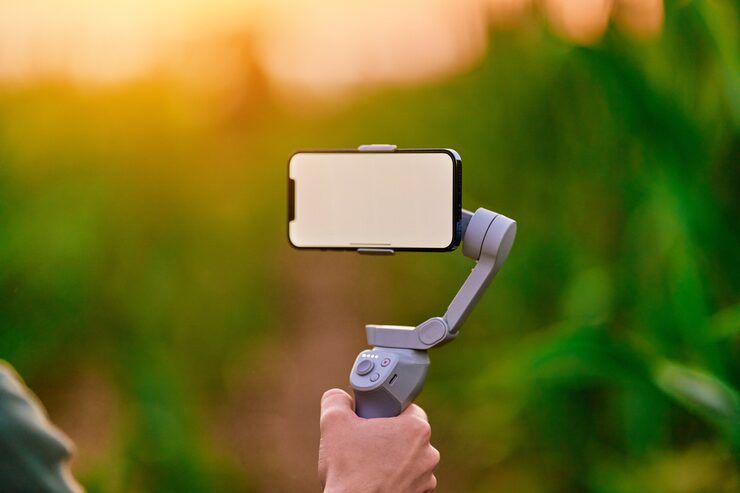
A pro mode camera gives users full control over how a photo or video is captured. Unlike automatic camera modes, where the device decides settings, pro mode allows manual adjustment of exposure, ISO, shutter speed, focus, and white balance. This makes it possible to create professional-looking results using a smartphone or action camera.
From dim corners to bright stages, modern gadgets now pack tricks such as cinematic mode on iPhone, action-focused settings, along with close-up macro abilities - stacked beside classic manual camera options. Shifting light, moving subjects, or bold artistic choices become easier when these functions come together.
A pro mode camera exists mainly to offer control plus accuracy. Solving issues like bad light, blurry movement, or wrong colors becomes easier because of it.
Pro Mode Camera Function Explained
Manual control defines how a pro mode camera operates. With settings adjusted directly, photographers shape every detail themselves. Rather than accept preset choices, they tweak exposure, focus, white balance - each piece gets attention. Automatic handling steps back here. Precision comes through personal input. Each setting responds to deliberate changes. The outcome depends on user decisions, not software guesses.
Core Settings Explained
- ISO: Controls sensitivity to light
- Shutter Speed: Determines how long the camera sensor is exposed
- Open up the lens a bit? Changes how much blurs behind your subject. Sometimes that soft background helps what's up front stand out more
- White Balance: Corrects color tones
- Focus: Enables manual sharpness control
Picture this - on an iPhone Pro camera, sliding into a slower shutter speed drapes movement across the frame. Meanwhile, cranking up the ISO brightens dim scenes without needing extra light. Together, they shape how you capture moments, each tweak bending the result just slightly. Light dances differently when those two work side by side.
When you’re capturing fast movement, the iPhone’s action mode keeps video steady without losing sharpness. Close-ups gain depth too, thanks to its macro setting that highlights tiny textures.
Why Pro Mode Matters in Everyday Photography
Most people reach for pro mode when taking everyday photos or making polished work. When the camera just guesses wrong, that is when manual controls really help.
Common Use Cases
- Low-light photography using go pro night mode
- Motion capture with iphone action mode
- Close-up detail shots using iphone macro mode
- Cinematic video creation with cinematic mode iphone
- Travel photography with customized camera pro mode settings
Dark settings often bring out grainy images, yet these tools smooth things over. Blurry faces lose sharpness, but adjustments snap them back into place. Colors sometimes look off, though tweaks correct the shift quietly behind the scenes.
Pro Mode Camera Key Features
A camera today does more than just take pictures. Because it holds several tools inside, each part helps improve the shot. What you get depends on how these pieces work together. Some adjust light automatically while others sharpen details right after snapping. Each function plays a role in making images clearer. When one feature changes, the outcome shifts slightly too.
Light sensitivity shifts with ISO settings - useful when shooting at night. Motion blur changes based on shutter speed - ideal for fast-moving players or vehicles. Color casts fade once white balance adjusts - especially under artificial room lights. Pin-sharp focus comes from manual control - perfect for up-close flowers or faces. High contrast scenes gain depth through HDR - wide skies and dark valleys both show detail. Camera shake fades with stabilization active - while walking or filming in motion. Tiny textures appear clearly using macro mode - think insects or fabric weaves. Dark environments brighten via Night Mode - dim streets or shadowed rooms come alive.
With these tools, anyone can tweak camera controls like a pro. A few adjustments open up clearer, sharper shots. Some changes make lighting work better in tough scenes. Fine-tuning happens step by step, without confusion. Each option builds on real control, not guesswork. Results improve simply by setting things right.
Pro Mode Camera Settings
Under different lighting, a certain mix of controls works better. Picture what you aim at before adjusting dials. Settings shift depending on movement nearby. Each scene asks for its own balance. Try slower captures when light fades. Bright areas demand quicker responses. Focus changes with distance involved. Adjust until the frame feels right. What works outside might fail indoors.
Recommended Settings
- Bright Daylight
- ISO: 100–200
- Shutter Speed: Fast
- Temperature of light? The camera picks it up on its own. Sometimes better to lock it at daylight settings instead
- Low Light or Night
- ISO: 800–1600
- Shutter Speed: Slow
- Use go pro night mode for better clarity
- Action Shots
- ISO: Medium
- Shutter Speed: Very fast
- Use action mode iphone camera for stability
- Macro Photography
- Use iphone macro mode
- Lower ISO for detail
- Manual focus for sharpness
Start with lowering ISO to cut down grainy spots in photos. A slower shutter lets in more light without blowing out highlights. Adjusting aperture shapes how sharp or soft the background turns. Fine-tune white balance so colors look natural under any lighting. Manual focus gives control over what part of the scene stands out clearly.
Differences Between Pro Mode and Other Camera Modes
Smartphones today come packed with extra settings. One handles tasks another can’t touch. Not every mode works the same way. Some kick in only under certain conditions. Their roles rarely overlap. A few stay hidden until needed.
Comparison Overview
- Pro Mode Camera
- Full manual control
- Advanced users will find this most suitable
- Cinematic Mode iPhone
- Focus transitions in video
- Ideal for storytelling
- iPhone Action Mode
- Stabilized video for movement
- Perfect when heading out on a trip. Great during games or workouts too
- GoPro Night Mode
- Fine-tuned to work best when lights are low
- Reduces noise in low light
- iPhone Macro Mode
- Close-up detail shots
- Useful for textures and small objects
When people get how these modes work, they can pick what fits best every time.
Recent Trends and Developments 2025–2026
Over the past year, mobile photography has seen significant improvements.
- AI-assisted pro mode camera settings introduced in 2025
- Enhanced cinematic mode iphone with better depth mapping (2025 update)
- Improved iphone action mode stabilization algorithms (2026 updates)
- Darkness feels clearer now. A fresh update sharpens low-light footage by slicing through grain. Image cleanup happens smarter, frame by frame. Year 2025 ushers in this refined vision after sunset
- Integration of computational photography with manual controls
Now folks can mix hands-on tweaks with smart auto features more smoothly. What happens is the system adjusts without getting in the way. One thing leads to another - the interface just fits how people actually work. It flows better when both sides - human choices and machine logic - stay in step. A quiet shift, yet things line up more naturally now.
Tools and learning resources
Mastering pro mode on a camera takes time along with having proper gear nearby. Try it often while using suitable equipment close at hand. Getting good means doing it again and again with helpful tools within reach. Practice shapes skill when the correct devices are part of the routine. Skill grows through repetition if the needed items are available during sessions.
Useful Tools
- Built-in smartphone camera apps with pro mode
- Third-party camera apps for manual control
- Editing software for post-processing
Learning Resources
- Photography tutorials on educational platforms
- Mobile photography guides and blogs
- Video tutorials explaining expert camera settings
- Practice-based learning through real-world shooting
Starting with these tools, people learn what works best when using pro mode on cameras. A different way to see it - settings become clearer through guided examples. Some find success by testing each tip slowly. Others build skill just by doing. Each method connects back to real use. Learning happens step by step. Clarity comes not from rules but practice. Seeing results helps more than reading alone.
common challenges and solutions
Using a pro mode camera can be challenging at first.
Problems and Fixes
- Overexposed images
- Slower light capture means less grainy images. Brighter scenes need quicker exposure times
- Blurry photos
- Hold the camera steady, otherwise go for a quicker shot. Speed up the exposure if shaking happens. A firm grip helps when light is low. Try not leaving it to chance - tighten your hold or snap faster
- Incorrect colors
- Adjust white balance manually
- Noise in low light
- Use go pro night mode or lower ISO
- Difficulty focusing
- Switch to manual focus for better control
Grasping each challenge moves your camera work forward at a steady pace.
FAQs
What is a pro mode camera and why is it useful?
Camera pro mode gives you full say on things such as ISO, shutter speed, because focus matters too. Tough light? Image quality can climb when you tweak these instead of leaving it up to chance.
What are the best pro mode camera settings for beginners?
Starting out? Try low ISO, a shutter speed that isn’t too fast, yet not too slow - white balance on automatic. Slow changes teach what works, without pressure piling up.
How does cinematic mode iphone differ from pro mode camera?
With the iPhone’s cinematic mode, depth shifts feel alive as it tracks who or what stands front and center. On another note, switching into pro camera mode hands full command of every setting without limits.
Can iphone action mode replace manual stabilization?
True, iPhone Action Mode has strong image steadying built in. Yet sometimes tweaking things yourself opens up different choices. Control shifts your way when you adjust manually instead.
Does Go Pro's night mode outperform regular nighttime photo methods?
Darkness doesn’t stop Go Pro’s night mode - built for action cams, it pulls clearer footage when light nearly vanishes. While regular modes struggle, this one adjusts deeper, capturing what others miss. Where shadows take over, detail stays visible longer.
Conclusion
Camera control jumps to another level when pro mode unlocks its full potential. Instead of guessing, you tweak each setting by hand for sharper results. Think manual focus, custom white balance, shutter speed tweaks - fine details matter here. Light changes fast; being ready makes the difference. Some tap icons blindly. Others adjust ISO step by step until it fits just right. Shooting at dawn? Low light need patience plus smart choices. Each scene asks something different. One moment demands slow exposure. The next needs crisp freeze-frame timing. Practice shapes outcome far more than luck ever does.
Now picture this: cinematic mode on iPhone, action shots with ease, close-ups that pop, plus Go Pro seeing in the dark. Thanks to smarter software and sharper thinking inside the tech, pro settings feel less locked away - yet they keep their edge. What once seemed out of reach now slips into everyday hands without losing its depth.
Mastering these methods lets people take clearer pictures while working through typical photo issues. Camera features become easier to handle once the basics click. With time, snapping well-composed shots feels more natural. Most find their gear does far more than expected when used right.