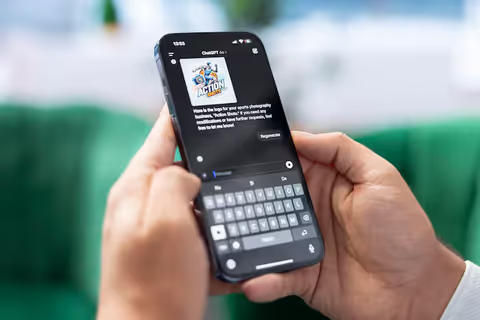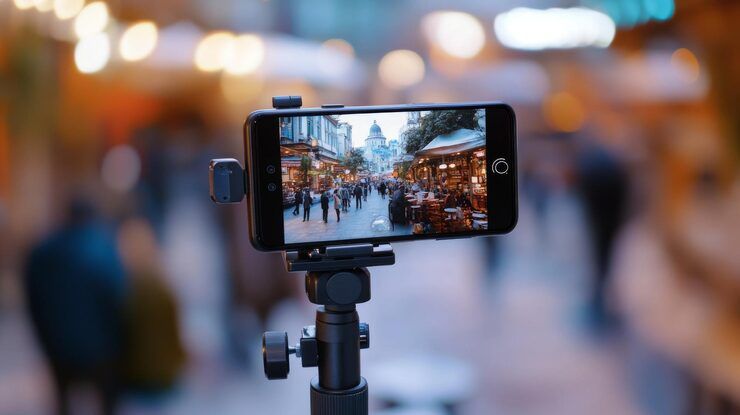
Smartphone videography refers to the process of capturing, editing, and producing video content using a mobile device. With rapid improvements in camera technology, a videography phone can now rival traditional cameras in many scenarios. Whether for social media, education, or professional storytelling.
Clever software steps in after recording, lifting quality beyond what older devices could manage. High-end features once reserved for professionals fit neatly into a pocket.
Smartphone Videography How It Functions
Out of small parts comes something useful - light hits the phone's camera chip, turning scenes into numbers a machine can hold. Not just raw capture though; the built-in computer shapes how sharp things look, adjusts colors so they feel real, stretches what shows in darks and brights alike.
Key processes include:
- Image capture through multi-lens systems
- Real-time stabilization using optical and electronic methods
- AI-based scene optimization for lighting and focus
- After the main task finishes, tweak things using software that comes with it or one you add separately
A top camera and video phone usually brings together all these elements so recordings stay sharp and fluid across different settings.
importance and real world applications
Out in the open world, phones that shoot video show up everywhere you look. Not stuck to one spot, they move where people go - easy for new users, handy even for experts. From morning light to late tasks, their reach stretches far without extra gear. What matters most? They fit inside pockets yet handle jobs once needing bulky tools.
Most folks now skip heavy gear because pocket-sized cameras do just fine. Phones put filmmaking within reach, so nearly anyone can record moments worth passing along.
Most people film videos on phones for varied reasons. Depending on how they shoot, certain methods work better than others. Some aim for quick clips while others build longer stories. What you want to show shapes how you hold the phone, light the scene, or move through space. Every approach fits a unique goal, calling for its own mix of moves.
Some kinds work better when paired with a strong video phone, based on what you aim to create. A solid device helps shape how clear or detailed the result turns out.
Smartphone Videography Feature Comparison
Basic Smartphones. Mid Range Devices. Advanced Videography Phone. Video Resolution Full HD. Video Resolution 4K. Video Resolution 8K. Stabilization Digital Only. Stabilization Hybrid EIS Plus OIS. Stabilization Advanced Multi Axis. Low Light Performance Limited. Low Light Performance Moderate. Low Light Performance High With AI Enhancement. Lens Options Single Lens. Lens Options Dual Triple Lens. Lens Options Multi Lens System. Editing Capabilities Basic Apps. Editing Capabilities Built In Editing Tools. Editing Capabilities Pro Level Editing Support.
Some folks find it easier to get sharp footage using just a top-tier phone instead of bulkier gear. Why? It fits in a pocket, works fast, sometimes surprises with detail others miss.
tools and accessories for better results
Though phones handle a lot solo, better gear lifts footage clearly. Sometimes small upgrades make big differences in how scenes look.
Useful Tools
- Tripods for stability
- External microphones for clear audio
- Gimbals for smooth motion shots
- Clip-on lenses for creative perspectives
- On phones, tools such as Adobe Premiere Rush tweak clips fast. CapCut shapes videos just as quick
With these tools, shooting videos on your phone reaches new levels - clarity sharpens, lighting balances. One moment it feels ordinary, then suddenly frames look polished. Each feature adds something subtle yet noticeable. Instead of flat results, footage gains depth. Without extra gear, settings adjust cleanly. Even shaky clips find stability through smart tweaks. Details emerge where they once hid. Over time, small changes build stronger outcomes.
Faster chips mean smoother recording on today's top phones. New sensors grab clearer images even in dim light. Software tweaks sharpen details without looking fake. Lenses now adapt faster when moving between bright and dark scenes. Audio tracking locks onto voices while cutting background noise. Stabilization keeps shots steady during quick movements. More storage lets users save longer clips without worry. Screen quality improves how videos look right after capture.
Legal and Ethical Factors
Recording video on phones needs to follow community rules, particularly in shared or personal areas. What happens around others matters just as much as the law says it does. Following these steps keeps things fair without drawing unwanted attention. Every location has its own quiet expectations along with official limits. Staying within them avoids trouble most people would rather skip.
Following these rules helps you film with your phone in ways that respect laws and ethics. A clear mind about limits keeps actions fair. Staying within boundaries means fewer problems later. Knowing what matters guides each decision behind the lens.
Besides apps, some websites help sharpen video techniques. A few tools stand out when learning better shooting methods. Some people find practice clips useful along with tutorials. Others prefer feedback loops through shared projects. Each path offers different ways to grow. Most options mix guidance with hands-on trial.
From lighting tricks to editing moves, these tools guide people through smart ways of shooting videos on phones. A mix of hands-on tips and clever methods makes learning feel natural over time.
Frequently Asked Questions
What makes a smartphone suitable for videography?
A phone handles filming well when resolution stays sharp during motion capture. Stabilization matters just as much, keeping shaky hands from ruining scenes. Low light becomes less of a problem with capable sensors behind the lens. Processing power pushes everything further, making edits smoother after shooting ends.
Can smartphone videography replace traditional cameras?
Most of the time, shooting videos on a phone works just fine - think posts or clips people share online. Yet when it comes to big productions, older gear sometimes holds its ground.
What steps help make videos sharper using a mobile device?
A shaky shot loses its wobble when the phone rides steady on a gimbal. Light spills better across faces if it comes soft and from the front. Tweak the lens numbers until colors look true, not oversaturated. Outside sound grabs more detail through a clip-on mic than built-in pickups.
What is the best resolution for phone videography?
Right now, 4K hits a sweet spot - sharp images without filling up your drive too fast. On certain high-end gadgets, you’ll find 8K tucked in alongside it.
Do I need editing software for smartphone videos?
Most phones already have basic tools right inside them. Still, higher-end apps give you extra ways to shape how things look. Fixing up videos gets easier when software steps in to polish visuals or adjust flow. A touch of color, a fade here - small changes matter too.
Conclusion
Filming on phones now shapes the way moving pictures spread. Because cameras keep improving - along with faster chips and smart software - pocket-sized devices capture strong footage in many situations. Whether snapping quick clips or building serious narratives, people turn to smartphones for easier, quicker video work.
Smartphones now capture moments just like regular cameras used to do. When people learn what their device can actually handle - tools included - they start making better videos. New updates arrive often, shifting how we shoot scenes each day. Knowing these changes helps anyone use today’s top phones more effectively.