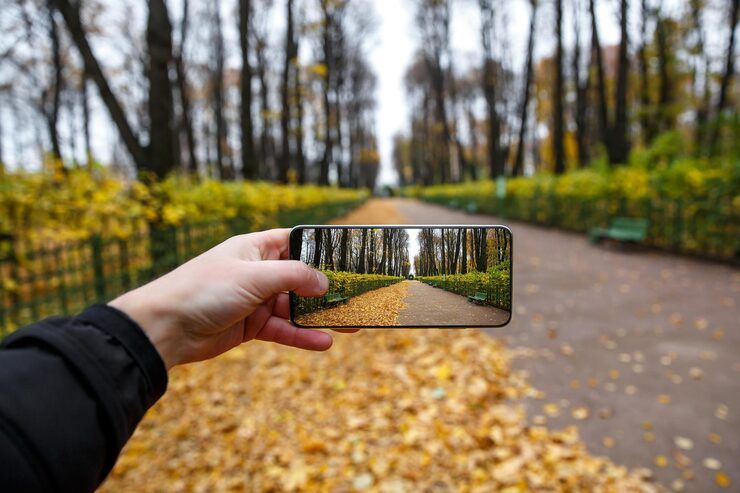
Smartphone zoom photography focuses on capturing clear images of distant subjects using built-in zoom capabilities. Modern smartphones combine hardware and software to simulate the experience of a digital camera with zoom lens, making it easier to photograph subjects that are far away without physically moving closer.
Close-up images aim to pull faraway things near without losing sharpness. When shooting animals, games, or building features, getting tighter views makes composing pictures easier. Zooming adjusts how much fits in view, giving control over what stands out. Instead of moving closer, the lens does the work, keeping subjects clear even at a distance.
Smartphone Zoom Explained
Most phones handle zoom using either physical lens movement or software tricks. One type keeps quality sharp by shifting glass inside the camera. The other stretches pixels to make things look closer but often gets blurry. Each method changes how close you can get without losing detail.
Lenses shift inside when you zoom in, adjusting position to bring things closer. What you get stays sharp because light bends through glass that moves just right. Think of old cameras where twisting the barrel changed what filled the frame. Magnification happens without cutting corners on detail.
Zooming digitally means stretching a photo using code. A slice of the picture gets pulled bigger, often losing crisp detail along the way.
Most newer phones handle zoom by blending physical lens movement with smart software tricks. Instead of just cropping, they sharpen images using math and light data. The result? Photos stay sharp when you pull distant things closer into view.
importance and real world applications
Close-up shots matter a lot when taking pictures on phones. These images let people record scenes they could not get near otherwise.
Everyday situations often involve these examples
- Wildlife photography without disturbing animals
- Sports photography from a distance
- Travel photography for landmarks and architecture
- Event photography where physical access is limited
- Street photography with minimal intrusion
Photography zoom fixes the issue when movement is hard. Without stepping forward, people change how close things look right away by using zoom.
Smartphone Zoom System Essentials
Most phones today carry tools inside that sharpen how far you can zoom. Because of these, snapping distant things looks more like what real cameras do.
Optical Zoom
- Uses physical lens movement
- Maintains image quality
- Common in flagship smartphones
Digital Zoom
- Software-based enlargement
- Some details might fade when zooming out too far
- Improved with AI processing
- Light tricks meet number crunching inside this tool
- Picture details get sharper thanks to smart number crunching behind the scenes
- Common in high-end devices
Periscope Zoom Lens
- Uses folded optics for longer zoom ranges
- Enables higher magnification without increasing phone thickness
- Enhances sharpness and reduces noise
- Stabilizes images during zoom
- Improves low-light zoom performance
Types of Zoom in Photography
Photography's zoom capability goes beyond just phones. Looking at wider types makes it clearer how phone zoom features developed over time.
Standard Zoom
- Moderate zoom range
- Suitable for everyday photography
- Designed for distant subjects
- Often used in sports and wildlife photography
- Just like those long-range camera setups used from a distance
Super Zoom
- Very high zoom levels
- Combines multiple technologies
- Backed up now and then by artificial intelligence
- Focuses on close-up details
- Though it isn’t meant for long reach, focusing happens through lens tweaks
Smartphone Cameras Compared to Traditional Cameras
Most phones now match old-style cameras in many ways. Still, gaps remain between them.
A digital camera that has a zoom lens usually gives you this kind of setup
- Larger sensors
- Better optical zoom range
- More manual controls
Smartphones offer:
- Portability
- AI-powered enhancements
- Instant sharing and editing
A smartphone's zoom lens, like the one in an iPhone, uses clever mix of parts inside plus smart programming behind the scenes. Results often feel on par with regular cameras, depending what you're shooting. Hardware works together with code, not just stacked up separate. In daylight or medium light, difference fades almost completely away. Some situations still challenge it, yet performance keeps closing gaps year after year.
Smartphone Zoom Tips
Using zoom effectively requires understanding a few practical techniques.
Stabilization Techniques
- Hold the phone with both hands
- Use a tripod for high zoom levels
- Avoid sudden movements
- Shoot in well-lit environments
- Avoid excessive digital zoom in low light
Focus and Framing
- Tap to focus on the subject
- Adjust framing before zooming
- Use optical zoom first
- Limit digital zoom when possible
Top Zoom Lenses and Phone Tech Advances
These days, phones pack powerful zoom lenses into slim builds. Thanks to new advances, companies pour effort into tools like
- Periscope zoom modules
- Multi-lens camera systems
- Computational photography algorithms
Smartphones now handle high-end zoom like pro cameras, thanks to new tech fitting into slim bodies. Tiny hardware upgrades make big differences without adding bulk.
Recent Trends And Developments 2025–2026
Last twelve months brought big jumps in how phones zoom. A shift nobody saw coming changed everything about lens tricks inside handsets. Lately, reaching far feels less fake thanks to tiny hardware shifts. Hidden upgrades made distance clearer without extra buttons. Leaps happened quietly while most watched screen sizes instead.
- In 2025, several flagship devices introduced 10x optical zoom using periscope lens systems
- Shaky hands? Not so much now. Smarter software keeps things steady. Pictures snap clearer even when moving. Less smudge shows up on close look. Movement gets tamed before it ruins moments. Tiny jitters fade into the background. Focus stays put more often than not
- Darkness no longer hides details quite so well. Zooming at night now pulls in more light, making faraway things clearer when it's dim. Shadows lose some of their edge. What was blurry can now hold its shape even after dark
- Stacking several frames now works faster, boosting sharpness when you zoom way in
Computational photography keeps evolving, now leaning less on bulky gear. Newer methods handle tasks once reserved for bigger systems. Progress shows up in smarter software doing heavy lifting. Hardware demands shrink as techniques grow sharper. Efficiency rises when code replaces physical parts. What used to require complex setups runs smoother today. Advances quietly reshape what cameras can do. Designs adapt by cutting size without losing quality. Smaller devices perform better than expected. Innovation shifts focus from mechanics to processing.
Policies and Ethics
Even though taking close-up photos has become common, a few key points deserve attention
- Take care not to intrude on people far away while photographing them
- Avoid intrusive photography in sensitive environments
- Follow local photography laws in public and private spaces
Flying machines aren’t the only things watched closely near airfields - cameras draw attention too. Spotting a sign might save you trouble down the road.
Tools and resources for learning
Smartphones snap sharper close-ups when certain apps step in. Some digital helpers boost detail while others adjust light on the fly. A few work behind the scenes, refining edges after capture. Tools like these quietly reshape how phones handle tight shots.
Camera Apps
- Native smartphone camera apps with manual controls
- Third-party apps offering advanced zoom settings
- Mobile editing software for sharpening and noise reduction
- AI-based tools for image enhancement
Learning Platforms
- Online photography tutorials
- Mobile photography courses
- Community forums for sharing techniques
FAQs
What is the difference between optical zoom and digital zoom?
A lens moves closer when you opt for optical zoom, keeping details sharp. Software stretches pixels instead if it is digital zoom, often making things look fuzzy.
Can smartphone zoom replace a tele photo camera?
Most phones manage zoom just fine - yet standalone telephoto rigs pull ahead when pros need crisp results. Picture clarity leans sharper through specialty gear even if gadgets try hard. When precision matters, separate lens setups outperform pocket-sized rivals every time.
How can I improve zoom photo quality on a smartphone?
When you can, go with optical zoom instead of digital. Bright light helps a lot - keep it steady if things get shaky. A tripod works well when hands aren’t enough. Zooming too far on screen ruins clarity every time.
What is hybrid zoom in smartphones?
Starting mid-sentence, here’s how it works: hybrid zoom takes optical reach, then builds on that with smart processing. Software steps in after the lens does its part. Instead of relying only on hardware, computation fills gaps where light fades. At tighter frames, clarity stays stronger because code adjusts what the sensor captures. Not purely physical, not totally digital - something in between shapes the result. Picture quality holds up further than old methods allowed. This blend stretches limits without swapping lenses.
Are modern smartphones equipped with the best zoom lenses?
Some top phones today pack zoom tech that rivals strong camera lenses, thanks to smart image processing. A few rely on clever software tricks to stretch their reach far beyond old-school limits. Others blend hardware tweaks with digital magic for tighter close-ups. Most manage decent results even when light fades late in the day. Each model handles extreme magnification a bit differently behind the scenes.
Conclusion
These days, phone cameras can pull faraway scenes close without losing detail. Not just lenses anymore - computational tricks plus machine learning shape what you see. What used to need bulky gear now fits in your pocket. Clarity comes from layered tech working together behind the scenes.
Most folks can get better shots once they learn what makes a phone camera zoom tick. When new gadgets roll out, these little lenses tend to keep getting smarter. Picking up small tricks helps squeeze every bit of power from them. Over time, clearer pictures come easier, right from your pocket. Each upgrade nudges things further, turning casual snaps into something closer to real detail.