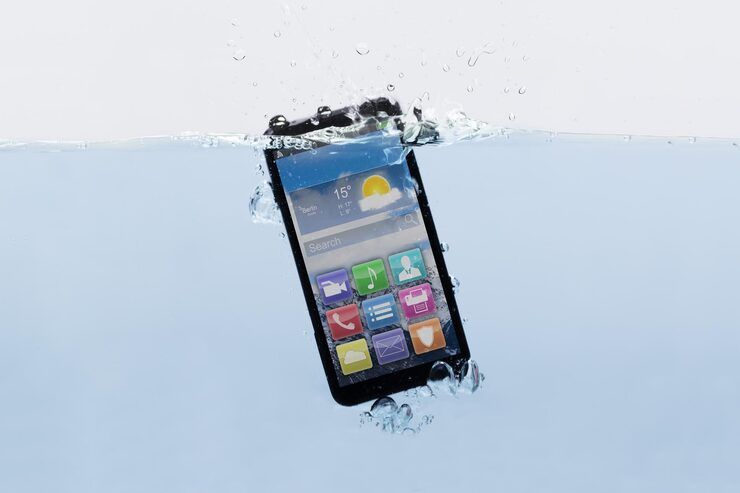
A waterproof smartphone is a mobile device designed to resist water exposure under controlled conditions. Modern manufacturers develop water resistant mobiles with sealed ports, protective coatings, and durable materials that help reduce internal damage caused by moisture, rain, or accidental spills.
Phones now handle so much - talking, finding places, taking pictures, learning stuff, even keeping us busy when bored. Because of this shift, people want gadgets that last longer under pressure. When rain hits, or someone drops it by a lake, having one that shrugs off water makes life easier. Workers outside, adventurers on trails, folks always moving - they benefit most from this kind of tough build.
Even if people say waterproof phone and water resistant phone like they mean the same thing, the truth is they do not. These days nearly every device gets labeled water resistant instead of fully waterproof since staying safe under water for good amount of time isn’t something makers can promise forever.
Waterproof Smartphone Technology Explained
Water finds it tough to reach delicate parts inside a waterproof Android device because of several built-in shields. Tougher performance comes from smart design choices, along with tight seals shaped by makers.
Protective
- Rubber gaskets around buttons and ports
- Adhesive sealing inside the frame
- Waterproof membranes for speakers and microphones
Nano-Coating Layers
- Thin protective coatings applied to internal circuits
- Helps reduce short circuits from moisture exposure
Reinforced Body Structure
- Strong glass and metal frames
- Improved pressure resistance during water exposure
Port Protection
- Slide cover guards USB port plus keeps dust off SIM slot
- Tight-fitting components that reduce water penetration
Before getting their water-resistance labels, plenty of waterproof phones go through tests inside quiet lab rooms. Lab techs check how each one handles wet conditions, step by step. Not every test feels real-world tough - some stay too clean, too perfect. Still, passing these checks means something on paper. Ratings come only after repeated dunks and timed soaks. What happens underwater matters more than looks. Each device must survive set routines without failing once.
Understanding IP Ratings
Waterproof phones carry IP codes showing how well they resist dust, moisture. Protection levels become clearer when these global markers appear on devices. A rating tells you what kind of environments the gadget can handle safely.
Solid block against dust. Withstands brief submersion under one metre. Used when caught in rain or spilling liquid. Full guard from particles. Handles deeper water based on maker specs. Common for outdoor adventures and trips. Resists dirt fully. Endures high-force water sprays. Found in heavy-duty gear built for harsh settings.
A smartphone built to handle water often meets the IP68 mark these days. Most high-end models include this level of protection as standard. Getting caught in heavy rain won’t spell disaster anymore. Dropped near a pool? The device might survive without drama. Manufacturers now treat deep-water resistance like basic equipment.
Water Resistant Smartphones Matter
Water sometimes gets near phones during regular use. When a phone resists moisture, it tends to last longer without surprise problems.
Outdoor Activities
- Hiking during rain
- Beach photography
- Cycling and trekking
Workplace Environments
- Construction sites
- Industrial areas
- Agricultural operations
Daily Accidents
- Spilled drinks
- Wet hands
- Bathroom moisture exposure
Travel and Adventure
- Boat rides
- Camping
- Snowy environments
Water resistance helps phones handle spills without failing down the line - so they stay useful longer. Bumps along the way matter less when a splash won’t spell disaster. Survival isn’t guaranteed, yet odds tilt favorably with sealed seams. Daily mishaps lose their edge against tougher builds. A dunked phone might still ring instead of quitting for good. Lasting through slipups adds quiet value over months. Not magic, just smarter shielding doing its job.
Main Features of Waterproof Smartphones
Modern waterproof android phone models include several advanced features beyond water protection.
Durable Display Technology
- Some gadgets rely on toughened glass to handle scrapes plus drops better. Glass that's been reinforced helps phones survive daily bumps along with rough handling. Tougher screens show fewer marks when knocked or brushed. Devices last longer thanks to sturdier front panels resisting wear. What you touch every day holds up well because of stronger materials underneath.
- Firm against spills, some phones handle rough settings while snapping sharper nighttime shots. Stability kicks in when light fades, making dim scenes clearer without extra gear. Shaky hands matter less now thanks to built-in steadying tricks that work on trails or sidewalks alike.
- Built for movement, these batteries power through long trips and outdoor adventures. When wanderers hit trails or fly across zones, they rely on lasting energy. Not every pack keeps up - some fade fast under sun or strain. But well-made ones push back against drain, staying strong mile after mile. Travel means surprises; gear must answer without quitting.
Advanced Connectivity
Modern waterproof cell phone models support:
- 5G networks
- Wi-Fi 6 and Wi-Fi 7
- Bluetooth Low Energy
AI-Based Optimization
Smart AI systems get better over time
- Battery management
- Camera processing
- Performance efficiency
Difference Between Waterproof and Water Resistant
Understanding these terms helps users use devices more safely.
Waterproof phones vary by model with differing levels of water resistance some withstand brief submersion while most handle only splashes or spills long term underwater use is rarely advised despite common availability
Waterproof claims on today’s phones usually mean they can handle some moisture. Not total submersion. Resistance varies by model. Protection isn’t permanent. Exposure wears it down over time.
Common Limitations Users Should Know
Most high-end water-resistant phones still face real-world limits.
Salt Water Risks
- Saltwater slowly eats away at seals, harming inner parts eventually. Over months, wetness sneaks past barriers meant to block it. Moisture slips inside, wearing down what's hidden within. Little by little, the machinery weakens from constant exposure. Corrosion creeps in where protection fails most.
- Some pools, along with waterfalls or strong jets, could go beyond what was tested. Levels might rise past approved ranges when these features run together.
Wear and Aging
Device protection can weaken due to:
- Drops and impacts
- Heat exposure
- Aging adhesive materials
Charging Concerns
- Water inside a waterproof phone can harm the charger hole when plugged in.
- Most makers say wait until the gadget is completely dry prior to plugging it in.
recent trends and developments
Last season saw fresh tweaks to how phones handle water, nudging durability forward. Some updates arrived quietly, yet made a difference when caught in downpours.
Camera Privacy Tools With Artificial Intelligence 2025
- Out of nowhere, some phone makers started adding tech that spots water inside cameras. Not long after, similar smarts began showing up near charging areas too.
- Fresh batches of old metal now mix into making phones that resist water, built by factories shifting toward greener seal parts instead of new resources. While some still rely on traditional methods, others quietly swap in sustainable alternatives during assembly without drawing attention. The change creeps through supply chains where long-used processes once ruled, replaced bit by bit as pressure grows behind closed doors.
- These days, folding phones come with better seals around the bend - thanks to upgraded hinges. Water and dirt struggle more when they try to get inside. Protection levels have climbed without making devices heavier. Tiny gaps where particles sneak in? Not so much anymore. Engineering tweaks mean less worry about everyday spills or dusty pockets. The changes are subtle, yet effective.
Better Durability Standards 2025 to 2026
- Fresh top-tier gadgets now carry tougher ratings, backed by smarter tests that check how well they handle wild conditions.
- These days, even budget phones can handle splashes just fine. Not so long ago, only high-end models offered that kind of protection.
- More mid-range smartphones now include IP67 or IP68 protection.
Rules and standards across industries
Flood-resistant gadgets take shape under worldwide rules that quietly steer their design. Different regions push similar needs, shaping how phones handle water without making a splash.
IEC 60529 Standard
- Out in the world of gadgets, a clear code tells how well they fight off dirt and moisture. Each mark comes with its own lab-style check, making sure devices stand up to real-life spills and grit. Not every product handles these tests the same way - some shrug off downpours, others just light splashes. Hidden behind numbers, the truth shows what happens when things get wet or dusty.
- Facing tough environments? Resistance details need clear labels. Testing setups should match real-world stress. Clarity matters when durability is on the line.
Environmental Sustainability Policies
Many regions encourage:
- Reduced electronic waste
- Longer device durability
- Recyclable smartphone materials
Waterproof claims on phones mean more when clear rules back them up. Shoppers see straight through the promises because of these guidelines. Truth comes out easier under such conditions.
Tools and resources for learning
Curious about phones that resist water? Try checking out guides or sites where they put devices through wet tests. Some folks dig into how these gadgets hold up when soaked, others watch trials unfold online. Learning happens everywhere - even in pools built just for tech.
Device Comparison Platforms
- GSMArena
- NotebookCheck
- Android Authority
Learning Resources
- Manufacturer durability documentation
- IEC IP rating guides
- Smartphone repair communities
Mobile Diagnostic Tools
- Water damage indicator apps
- Battery health monitoring tools
- Hardware testing utilities
From here, knowing how well a phone resists water gets clearer with these guides. Some details show what they can handle, others reveal where things fall apart.
Keeping Water Resistance Effective
Proper maintenance helps preserve the protective capabilities of a water proof mobile.
Keep Ports Clean
- Fine particles might slowly damage the tight closures meant to shield things. Sometimes tiny bits slip through where they should not.
- Too much heat can ruin the sticky waterproof parts.
Dry The Device Thoroughly
- Patience helps when wiping down surfaces once wet. A gentle fabric works well following contact with moisture.
- Prolonged exposure to soap might weaken durability. Chlorine can wear it down over time. Saltwater adds stress little by little.
- Using the right add-ons keeps power flow steady while protecting seals. A proper match means less risk during recharge cycles.
Waterproof Smartphones Next Steps
Water resistance in phones now leans toward tougher builds, eco-friendly materials, one step at a time. Smarter safeguards come into play when wet conditions hit, built right in. Longevity matters just as much as staying dry, shaping how these devices evolve.
Down the road, fresh ideas could show up like…
- Self-healing protective coatings
- Advanced waterproof foldable designs
- Improved underwater photography systems
- Stronger eco-friendly sealing materials
- AI-powered moisture detection sensors
Faster wear happens when phones face dust or rain, so makers keep finding ways to shield them. Tougher builds stick around because people need devices that won’t quit after a spill or drop.
FAQs
Is it possible to take a water-resistant phone beneath the surface every day?
Water resistance in phones usually handles brief spills, not constant submersion. Staying under too long can break them despite that feature.
Immersion in water won’t cause harm, provided it's within limits set by the maker. Dust stays out completely when tested as directed.
Can salt water damage a waterproof phone?
Water with salt might damage parts inside. Over time, it eats away at shields meant to protect them.
Do all waterproof android phone models have the same protection level?
Some phones handle water better than others. How well one performs ties directly to its build, the IP code it carries, along with how strictly the maker checks it. A label alone won’t tell the full story - details matter more beneath the surface.
Water resistance might weaken as years go by?
Frayed edges show up after years of wear, especially when dropped often. Seals weaken over time because they face constant handling. Old ones lose strength just by sitting too long in harsh light.
Conclusion
Most phones now handle water better than before. When it rains, or a drink tips over, these gadgets keep working without trouble. Built tough on purpose, they resist damage from wet grass, sweaty hands, or sudden downpours. Strength comes not just from seals and casing but how each piece fits together with care. Even so, no phone survives every situation - deep pools or long soaking still pose danger.
These days, phones that resist water come packed with smarter tech, tougher builds, sometimes even better sealing against dust and moisture. Though no device stays safe underwater forever, how you treat it really shapes how well it holds up over time.
Faster progress in smartphones might mean water-resistant Android models get better at fitting into real routines - think commuting, hiking, workdays, trips abroad. Built tougher, they could last longer while using fewer resources during production. Change comes quietly, showing up first in how easily they handle rain, sweat, dust on a long commute or weekend trail.