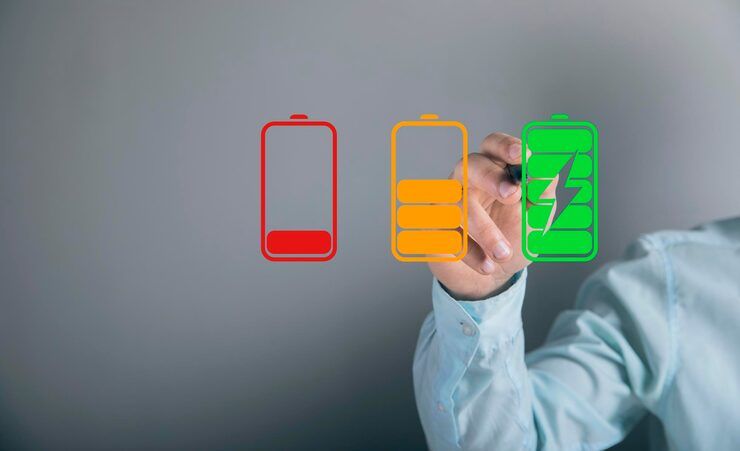
Smartphone Battery Degradation refers to the gradual loss of a battery’s ability to hold and deliver energy over time. This process affects all smartphones and becomes noticeable as reduced screen time, slower charging efficiency, and unexpected shutdowns.
When you know what causes the decline, handling your phone smarter becomes easier. Keeps it running well for longer, even as months pass. Wear builds up without warning if ignored too long.
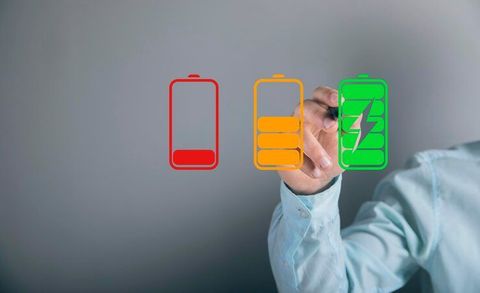
Smartphone Battery Degradation Explained
Lingering deep within the cell, shifts begin as materials slowly break down over time. Not every charge cycle ends cleanly - tiny losses pile up each time power flows out then back in.
Most times, lithium batteries weaken as ions shift back and forth across internal layers. With each cycle, tiny damage builds up instead of smooth travel paths. Little by little, stored power drops below original levels. Energy retention slips away much like color fades under sun.
The process includes:
- Formation of solid electrolyte interface (SEI) layers
- Electrolyte breakdown or battery decomposition
- Structural damage to electrodes
- Increased internal resistance
Fewer gains show up when these pieces slow things down, wearing out power storage faster.
Heat Overcharging Age Frequent Fast Charging Deep Discharges
Battery wear becomes clearer once you spot what wears it down early. Still, knowing these triggers makes avoiding harm much more doable.
Main Factors Behind Deterioration
- High temperatures during usage or charging
- Frequent full charge cycles (0% to 100%)
- Overcharging or leaving the device plugged in for long periods
- Fast charging stress on internal components
- Deep discharge cycles below safe limits
- Aging of battery materials
Heat speeds up how fast lithium batteries break down. When it gets hot, the battery wears out quicker because warmth pushes chemical breakdown faster.
Battery Wear Over Time
Battery wear usually falls into two categories depending on its impact on function. Sometimes it shows up as reduced power, sometimes as shorter life. One kind hits hard right away. Another creeps in slowly over time. Performance drops differ by cause. Each pathway changes output differently. Type depends on usage patterns too.
Types of Degradation
- Capacity Fade: Reduction in total charge the battery can hold
- Slowing output: struggles to push energy fast
- Calendar Aging: Degradation over time even without use
- Every time you charge it, a little harm builds up over time
Losing battery strength shows up fast, since it changes how you rely on your phone every day.
High Temperature Speeds Chemical Reactions. Fast Charging Raises Internal Stress. Deep Discharge Harms Electrode Structure. Overcharging Causes Decomposition. Aging Results From Natural Wear. Poor Charging Habits Lower Efficiency
Why Battery Wear Matters
Over time, a phone's power source weakens - not only lasting shorter between charges. This wear shapes how fast apps run, whether the machine feels steady during tasks. The way people interact with their device shifts too, subtly changing daily routines.
Battery life holds things together when jobs happen far from offices or rely on phones constantly.
real world use cases and problems solved
Common Use Cases
- Daily communication and messaging
- Navigation and GPS-based apps
- Mobile photography and video recording
- Online learning and productivity tools
Issues From Breaking Down
- Reduced screen-on time
- Slow charging speeds
- Device overheating
Officials now look closely at how batteries are made, used, then handled later. Rules start forming around longer life spans and cleaner reuse methods.
A quiet shift begins when rules shape habits around worn-out tech.
Battery Health Monitoring Tools and Resources
Several tools help users understand and manage battery degradation.
Tools and platforms that help
- Built-in smartphone battery health settings
- Battery diagnostic apps for performance tracking
- Operating system optimization features
- Developer tools for analyzing battery usage
- Online learning platforms covering battery technology
Over time, these tools track how much charge a battery holds. Yet they also guide people toward smarter daily routines. While using them, behavior slowly shifts without force. Still, results show up clearly on screen. Though small at first, changes add up through steady feedback.
Ways to Slow Battery Wear Over Time
Stopping batteries from wearing out too fast comes down to daily choices. How you treat it every day shapes how long it lasts.
Recommended Practices
- Battery stays healthiest when it dips no lower than a fifth full. Charging past four-fifths offers little gain while adding strain. A narrow window works best - hovering just above empty, well short of packed
- Avoid overheating during charging or gaming
- Stick to genuine or approved charging devices
- Enable optimized or adaptive charging
- Avoid overnight charging when possible
- Reduce fast charging frequency
Sticking to these habits? They keep lithium batteries from wearing out too fast. A slower breakdown means they last longer, that is certain.
FAQs
Smartphone Battery Loses Capacity Over Time?
Losing power fast. Each charge nudges damage forward. Heat speeds it up. Even sitting idle takes a toll. Molecules shift when they shouldn’t. Capacity slips away, bit by bit. What held hours of juice now fades quicker. Age plays its part, no matter how gently you treat it.
Why does battery capacity degradation happen?
Chemical changes within the battery quietly chip off usable power. Each cycle nudges the limit just a bit lower. What once powered hours now manages minutes.
Is it possible to undo wear on batteries?
Battery wear cannot be undone. Still, careful habits make it last much longer.
What's the usual lifespan of a phone battery?
Some start fading sooner, others hold on longer - about two to three years of regular use. Not every cell behaves the same; age creeps in at different paces.
Does fast charging increase battery degradation?
Faster refills pile on pressure inside the cell, which wears it out quicker with repeated use. Over time, that strain adds up.
Conclusion
Most phones lose power capacity over time - it just happens. Yet knowing how helps slow things down. Lithium cells wear out little by little, even when unused. Heat speeds up damage more than people expect. Charging patterns shape long-term health too. Each cycle takes a small toll on total life. What feels like sudden failure often builds slowly. Age plays a role regardless of care. Some drops in function show within months.
Others take years to become obvious. How you treat the device changes outcomes.Learning what's new in tech keeps choices up to date. Better designs are arriving thanks to progress in materials and software. Long-lasting phone power is becoming a normal thing. Future phones may rarely need full replacements.