Modern smartphones store personal conversations, financial details, photos, passwords, and work information. Because of this, strong mobile device security has become an important part of everyday digital life. Apple designs iPhones with several layers of protection that help users secure their personal information and reduce security risks.
Inside every iPhone, safeguards live within the tech itself - woven through circuits and code alike. Built on layers, its defenses mix encrypted locks, face recognition scans, system shields, along with tight privacy settings. Protection rises when threats appear: strangers poking around, hidden viruses creeping in, unseen eyes following moves, or personal details being snatched away. Each piece works quiet, steady, without fanfare.
These days, iPhones come with smarter defenses because hackers keep changing their tactics. Not just companies but also learners, workers, and regular people count on such tools when using devices online. Protection now adapts faster since risks grow more clever over time.
iPhone security systems explained
Security on iPhones builds through layers, each adding its own protection. Rather than depend on just one method, Apple weaves several systems into a tighter defense.
Every now and then, fixes roll out to patch weak spots while keeping the phone running smoothly. Chips inside the device work together with the software to guard your information. Cloud safeguards team up with app access rules to add layers of defense. Updates arrive on schedule because new threats pop up all the time.
Inside today's iPhones, the Secure Enclave plays a key role in keeping things safe. Sensitive details like Face ID scans, passcodes, and encryption keys live here - away from the primary system. This separation helps protect data even if the rest of the phone is compromised.
One way Apple keeps things tight? Sandboxing. It puts boundaries on what apps can do together - cutting off access to shared system info. When an app gets breached, damage stays put instead of spreading across the whole machine.
Main Security Features in iPhones
Face ID and Touch ID
Fingerprints once opened phones fast - now a glance does it instead. Some gadgets still rely on pressing a sensor, though many shift to reading faces quietly.
Benefits include:
- Faster authentication
- Reduced password exposure
- Stronger account protection
- Secure app logins
- Safer digital payments
Device Encryption
Most of what sits on an iPhone gets locked by default. Scrambled bits replace plain details when there is no proper access pass. Only the right digital key unlocks it again.
Encrypted data includes:
- Messages
- Photos
- App information
- Passwords
- Health records
- Payment details
Should someone take your phone, this coding keeps personal data safer. When the device goes missing, scrambled info adds a layer of defense. Even in theft, private details stay locked away by design.
App Permission Controls
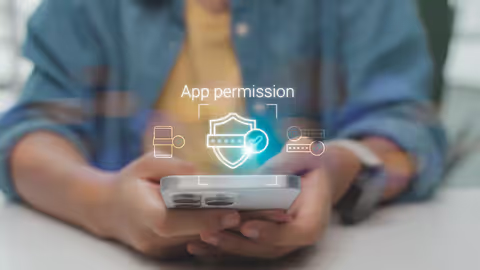
From the Settings menu, iOS gives people power over which apps get what. Access checks happen right there, too - each toggle switch waits for a decision. One by one, features like camera or location reveal their watchers. Choices stack silently, shaped by taps. Every tool opens only when allowed
- Camera
- Microphone
- Location
- Contacts
- Photos
- Bluetooth
- Tracking activity
These permission settings help reduce unnecessary data collection.
Find My iPhone
Lost gadgets? This tool tracks them down. Besides that, it works with:
- Remote device locking
- Data wiping
- Lost Mode activation
- Location tracking
- Offline device detection
Security on the iPhone gets stronger because of this, while fixing problems becomes easier too.
Security Updates
Every now and then, Apple rolls out fresh versions of iOS to fix security holes while also making things run smoother. With automatic installs turned on, phones guard themselves better when new online dangers pop up.
Important iPhone Security Features
Face ID uses your face to confirm who you are, stopping strangers from unlocking your phone. Inside the device, Secure Enclave keeps critical information separate, locking encryption keys where few processes can reach. When apps want to follow what you do, App Tracking Transparency steps in, giving you control so hidden spying stays limited. If the phone goes missing, Find My iPhone wakes up, showing its location through a network others help maintain. Messages travel using End-to-End Encryption, meaning only sender and receiver can ever see the real content. Regular Security Updates arrive without fanfare, patching holes that could let harmful code slip through. With Two-Factor Authentication turned on, logging in needs more than just a password, making stolen accounts far less likely.
Why phones need protection
Most people rely on smartphones to handle bank tasks, stay in touch for jobs, reach medical services, or connect socially. When protection falls short, risks like hacking, stolen identities, or secret monitoring rise quickly.
Strong mobile device security helps users:
- Protect sensitive personal data
- Secure online transactions
- Prevent account hacking
- Reduce malware risks
- Manage privacy settings
- Improve digital trust
Some groups count on locked-down phones just to keep company secrets safe along with messages between staff.
Real-World Use Cases
Some people find safety on iPhones fits their habits. Others gain peace through unique protections built into the system.
Business and enterprise use
Most businesses pick iPhones when they need safe messaging along with working from different places. Systems made for company protection sometimes come with:
- Mobile device management
- Corporate VPN access
- Secure email systems
- Encrypted file sharing
- Identity verification
Education Sector
- From classrooms to study halls, iPhones help learners stay connected through digital tools. Teachers share lessons while students dive into interactive exercises. These devices link people using shared platforms that blend communication with schoolwork. Instead of textbooks alone, screens display videos, quizzes, notes - all in one place. With every tap, knowledge moves faster between desks, homes, and libraries.
- Fences around school files keep nosy eyes out. Locked doors on student data stop strangers from peeking inside.
- Healthcare professionals often access medical systems through mobile devices.
- Because iPhones guard data well, messages between patients stay safe. When devices limit access tightly, private talks are less likely to slip out. Since security comes first, personal details face fewer risks. As safeguards work quietly, trust builds slowly. With strong locks in place, sensitive info stays put.
- Secure payments happen through banking apps because iPhones use fingerprint checks alongside hidden code layers. Accessing accounts works when face scans join strong phone protections. Digital wallets stay safe since login steps mix private data shields with touch recognition tools.
How iPhones Handle Common Security Threats
Most gadgets face online dangers, yet Apple builds its phones to handle many typical problems. Though nothing blocks every threat, these devices aim lower exposure through built-in safeguards.
Phishing Attacks
- Phishing scams often come through fake links pretending to be real. These tricks show up in texts that look familiar but aren’t. Some pop-ups ask for login details when you shouldn’t share them. Criminals design sites almost like the ones you trust. Mistaking these fakes can lead to stolen bank data. Always question odd requests arriving out of nowhere.
- Clicking a risky link? Safari steps in first. Mail follows close behind, blocking harmful sites before they load. One stops you early. The other guards your inbox just as hard.
Malware Risks
- Most bad apps never make it past Apple's gatekeepers. A slower approval wait often means safer downloads later on. Each submission gets checked before going live. Hidden threats are caught more easily this way. Approval rules help filter out risky software. Users benefit without realizing why. Tight checks at the start shape what appears later.
- Apps behave differently when boxed off. Their actions shrink inside the test space.
- If a device gets taken, encryption plus the ability to erase it from afar cuts down on leaked information.
- Tracking transparency gives people control over how apps gather their info. One choice stops sharing across different programs. Privacy settings block ads from following activity elsewhere. A toggle switches off invisible monitoring by third parties.
recent trends and developments
Security on phones keeps changing because hackers find smarter ways to break in. New shifts started showing up by 2025, then grew through the next year. Instead of standing still, defenses adapted - quietly, constantly. Hidden behind app layers, fresh tools worked without drawing attention. While some users ignored updates, others noticed fewer crashes and odd pop-ups. Behind screens, something shifted - not loud, just different.
AI-Based Security Monitoring
- Out of nowhere, newer iOS versions started spotting odd behaviors more cleverly. A shift happened behind the scenes - silent checks now watch how things move, not just what shows up.
- Something sneaky happens, then artificial intelligence spots it - like apps acting odd or fake websites trying to trick you. A quiet alarm goes off when patterns look risky, catching what might escape human eyes.
- Apple made its privacy reports more detailed in 2025, showing users exactly how apps collect their data. Though hidden at first glance, these updates quietly revealed which services peeked into personal info. Instead of vague summaries, each log broke down who accessed what and when. Behind the scenes, a stronger system tracked every permission used across devices. While small on the surface, the change gave people real insight into digital habits. Not flashy, just honest clarity where confusion once lived.
Improved Passkey Support
- Passkeys became more widely adopted across apps and websites in 2025.
- Instead of old-style passwords, this way checks identity differently. One less reason to depend on something everyone uses already.
Enhanced Lockdown Mode
- Now safer, Apple’s Lockdown Mode guards people targeted by sophisticated digital attacks.
- By turning off some system parts, it lowers the chance of being attacked.
- Beyond cell towers, fresh iPhones tap into space links when help is needed far out. Connections rise from orbit where signals normally fade to nothing. Out there - no bars, just a lifeline beamed down from above.
Privacy Laws and Rules
Several global regulations influence mobile privacy and security standards.
General Data Protection Regulation
- Finding its roots in Europe, the GDPR puts weight on guarding personal information while requiring clear permission from users.
- Mobile platforms must provide transparent privacy controls.
- With the CCPA, people decide how their information gets gathered or passed around. A single law shifts who holds the power over private details. Now choices come before companies collect anything. Control moves into individual hands when data is involved. Rules change silently but significantly behind everyday online actions.
Digital Markets and Platform Rules
- Still, talks go on across nations about rules for app stores, how safe digital spaces should be, yet what fair competition looks like online.
- When it comes to handling personal information, Apple tends to match tougher rules found in various parts of the world. Not every company does this - yet here, choices around user data lean toward higher safeguards by design.
Tools and resources for learning security
For those looking to boost iPhone safety, trying out useful apps and learning sites might help. Some people find value in digital guides that explain protection steps clearly. A few tools stand out when it comes to guarding personal data on Apple devices. Exploring these options could make a difference over time. Learning happens step by step, especially with hands-on resources. Not every app works the same way, but testing reveals what fits best.
Tools for Security and Privacy
- Apple Security Checkup
- Password Manager Apps
- VPN Applications
- Multi-Factor Authentication Tools
- Device Backup Solutions
Learning Resources
- Apple Support Documentation
- Cybersecurity Awareness Courses
- Privacy Research Websites
- Mobile Security Blogs
- Educational Technology Platforms
Start safe. Tiny changes in daily tech routines build stronger online protection over time.
Secure Your iPhone with Simple Steps
Users can strengthen protection by following several simple habits.
Recommended Security Practices
- Use strong passcodes
- Enable two-factor authentication
- Install updates regularly
- Review app permissions often
- Avoid suspicious links
- Stay safe by connecting only to secure wireless networks
- Back up data securely
- Enable Find My iPhone
These steps help improve long-term iPhone data protection.
FAQs
What is the main purpose of iPhone security features?
Hidden inside every iPhone, layers of defense guard your messages, photos, and identity. Instead of relying on one lock, multiple safeguards work quietly behind the scenes. Communication travels in scrambled form, making eavesdropping pointless. Personal details stay locked unless you say otherwise. Fingerprint or face checks replace old passwords. Software updates patch weaknesses before they cause trouble. Even if someone grabs the device, getting in takes more than guessing a code.
What about the safety of everything saved on an iPhone?
Hidden inside recent iPhones, message threads lock themselves away without any extra steps. Passwords get scrambled right after entry, no manual setup needed. App details vanish into code just by existing on the device. Each piece of private content wraps itself in protection the moment it lands.
Can iPhones get malware or viruses?
Even when locked down tight, iPhones aren’t immune - clicking shady links or falling for scams slips through now and then. Hidden setup tricks plus fake messages keep finding their way past guards meant to block them.
Lockdown Mode on iPhone explained?
When danger feels close, a special shield kicks in. This mode limits what your device can do - only allowing essentials. Some features pause so hackers have fewer ways in. People at serious risk might find it helps. It cuts back connections that could be weak points. Only critical tools stay active by default. Fewer openings mean less chance of slipping through.
Why are software updates important for iPhone security?
Patches plug security gaps while boosting how smoothly apps run on devices. New threats emerge constantly - updates adapt defenses without delay. Stability gets a quiet lift each time code refines itself behind the scenes.
Conclusion
Security on iPhones helps guard private and work information when online dangers keep increasing. Built-in safeguards mix physical defenses with scrambled data, careful app handling, followed by steady system refreshes - Apple uses these layers. Millions around the globe rely on such measures daily without knowing the details behind them.
Biometrics check identity through fingerprints or faces, while encrypted data stays scrambled unless unlocked properly. Apps that demand too much access get blocked before they cause trouble. Threat defenses run quietly, spotting odd behavior before harm spreads. Even so, a person who clicks recklessly can undo strong safeguards fast. Protection works best when tech and caution move together.
Tomorrow’s handheld gadgets will push Apple’s defenses to grow sharper. Smarter shields may quietly adjust when threats shift shape overnight. Privacy could take center stage as software learns user habits. Expect tighter locks where data moves between apps. Changes might roll out before hackers spot weak points. Security won’t stand still - it’ll stretch ahead, step by step.