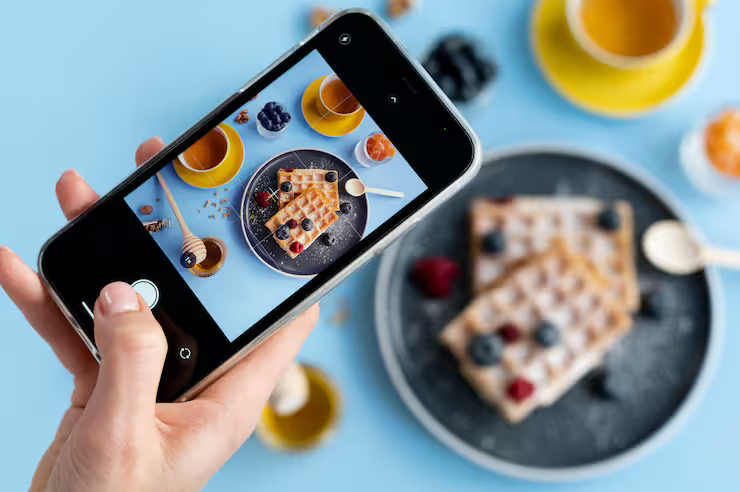
Food photography with phones has become one of the most practical ways to create professional-looking food images without advanced camera equipment. Modern smartphones include high-resolution lenses, artificial intelligence enhancements, portrait modes, and editing tools that support high-quality photography for restaurants, blogs, menus, and digital platforms.
Nowadays, lots of folks snap food pics on phones - creators, chefs, learners, café workers, anyone online. Because smartphones are easy to carry around, snapping sharp shots happens wherever meals appear.
Out there among kitchen counters and tabletops, phones snap shots best when light falls just right. A dish gains life not by tricks but how it sits within the frame. Sometimes a plate looks better near a window, where daylight softens edges. Editing follows gently - tweaks here, shadows lifted there. Pictures work well if they feel true, like you could reach into the screen. Composition pulls attention without shouting. What matters most? Showing food as it is, nothing stretched or faked.
Food Photos Taken With Phones Matter
Nowadays, pictures matter a lot when it comes to sharing food online. Because so many people eat with their eyes first, how something looks can decide whether someone clicks or scrolls past. Platforms built around meals need strong visuals just to stay visible. A photo does the job of explaining taste, mood, even freshness - without words. For chefs posting recipes, drivers delivering dinners, or bloggers building followings, what you see shapes what you feel. Good lighting, careful plating, honest angles - these quietly guide choices. Seeing steam rise from noodles hits different than reading about spice levels. Even apps that bring meals to doors lean on snapshots to stand out. In this space, a flat image feels like silence. Meanwhile, vibrant shots pull people in, slow them down, make them pause. First impressions now come through thumbnails and grids. What used to be word-of-mouth now shows up as screenshots shared between friends.
Snapping food pics on a phone cuts down hassle in many ways
Most people already own a phone, so taking photos is within reach. Wherever you go, your camera goes too - no extra gear needed. Tweaking brightness or contrast happens right on screen, without separate software. Pictures snap into place online, fitting social apps naturally. No bulky cases or tripods slow you down like with older setups.
A single photo might tell a diner exactly what to expect before they order. When pictures show dishes clearly, choices become easier even on small phone screens. Crisp visuals keep the look of a brand steady across apps and websites. Seeing meals up close helps people feel sure about what they are getting.
Smartphone Food Photography How It Works
Picture-taking on phones blends tech smarts with artistic choices. These gadgets tweak light levels, clarity, and hues by themselves through built-in programs.
Most mobile food photography setups involve:
- Light comes from the sun or human-made sources
- Composition planning
- Food styling photography techniques
- Editing applications
- Background and prop arrangement
Lighting comes first, most of the time. Once the plate is set and the backdrop sorted, positioning shifts - angles tweak, frames settle - then a burst of images follows. From there, apps take over: tweaking light levels here, nudging darks there, shifting contrast, balancing hues. Each change lands quietly, one after another.
Lighting Tips for Food Photos
Lighting makes or breaks food photos - without it, even top phones struggle. A dim room turns every shot flat, no matter the gadget.
Most people like sunlight through windows since it shapes gentle shadows and shows real texture in meals. Coming from the side, light lifts out fine bits in phone shots of dishes; when behind, it does too.
Common Lighting Methods
- Side lighting for texture and depth
- Backlighting for beverages and transparent ingredients
- Soft diffused lighting for balanced exposure
- Reflectors for reducing harsh shadows
- Artificial LED lighting for indoor setups
Bright spots often pop up when light hits too straight on. Unnatural shine tends to follow such harsh setups. Reflections go awkward if the source points directly at things.
Darkness no longer hides what's on your plate. Thanks to smarter software inside phones released this year, pictures taken indoors come out sharper. Processing happens behind the scenes, adjusting light and texture without blur sticking around. Instead of grainy messes, you see crumbs, steam, even the glaze on a donut. Machines now predict details eyes might miss. Results feel closer to real life, especially under dim lamps or restaurant lighting.
Food Styling Photography Essentials
Out of the kitchen comes a plate arranged just so, where every element has its place. Because details matter, herbs stay crisp while sauces glisten under soft light. A sprig here, a drizzle there - texture speaks before taste ever gets close. What you see rests on patience, not luck, shaped by hands that know how food tells stories.
A small tweak here or there might just make the picture look much better. Think about choosing the right dish, where to put the herbs, what surface sits behind it, also how colors work together.
Key Aspects of Food Presentation
- Neutral or textured backgrounds
- Balanced color combinations
- Clean plate arrangement
- Fresh garnishes
- Controlled portion placement
Nowhere near obvious, tiny tweaks in food photos shape how things appear. Steam rising just right, sauces drizzled with care - these details shift perception subtly. Layered ingredients fall into place like they belong there. Often unseen, such moves build a scene that feels real without trying too hard.
Food pictures at restaurants often mix visual appeal with a steady brand look. A place might keep using similar colors, dishware choices, or table textures on its online menu and Instagram posts.
Top Angles When Taking Food Photos on Phone
A fresh look at a dish can change everything. Snapshots taken with phones usually lean on one of three viewpoints. Each type of meal plays better from certain positions.
Angle Best For Top Down Flat Lay Pizza Breakfast Tables Desserts 45 Degree Angle Plates Burgers Pasta Eye Level Drinks Layered Cakes Sandwiches
Looking down at the plate keeps showing up online since it fits how people scroll through posts. From the side, shots bring out thickness and stacking of parts better.
Trying different angles can show which look feels just right for every plate. Sometimes a shift changes everything.
Social Media Food Photography Trends
Picture-taking of meals shifts again, pushed by how apps highlight visuals and quick clips. By 2026, certain styles began showing up more often online.
Updates from 2026
- Tools that help edit on phones started using smart tech more often
- Short-form food videos increased alongside still photography
- Minimalist food styling gained popularity
- Natural lighting aesthetics replaced heavily filtered images
- Vertical image formats expanded for mobile viewing
Images now travel faster online thanks to smarter shrinking tricks built into social apps. Tiny details in meals pop more clearly because phones learned to focus closer, capture motion like film.
Now it's more about showing things as they really are. Realness stands out when filters fade and heavy touch-ups feel outdated. People lean toward images that breathe like real life - grain, light, shadows included.
Useful Tools
Several tools and applications can improve mobile food photography workflows.
Editing Applications
- Adobe Lightroom Mobile
- Snapseed
- VSCO
- Canva
- PicsArt
Photography Accessories
- Small LED lights
- Smartphone tripods
- Reflectors
- Clip-on macro lenses
- Wireless remote shutters
Learning Resources
- Photography tutorials on YouTube
- Online mobile photography courses
- Food styling blogs
- Digital composition guides
- Restaurant photography case studies
With these tools, results stay steady across tasks, yet visuals gain sharper lighting, cleaner frames, sometimes smoother edits. Workflow doesn’t waver because details like brightness or composition get handled more reliably. Each step feels less scattered when editing tightens up alongside setup. Consistency shows through, especially where light placement matters or cuts need precision. Even small changes add stability behind the scenes.
Common Challenges
Even with big upgrades in phone cameras, snapping good food pics on mobiles isn’t always simple. Some hurdles stick around, quietly shaping how shots turn out.
Frequent Problems
- Overexposed highlights
- Artificial color processing
- Low-light image noise
- Limited optical zoom
- Reflection issues on glossy surfaces
Most issues fade when light hits the dish just right. A steady hand plus a bounce off white cardboard brings out crisp details. Shadows soften if you shift how the window feeds brightness. Hold still - blur slips away when movement stops. Sharpness climbs once flicker vanishes behind diffused glow.
Keep edits light so colors still look natural. Tone down changes just enough for texture to feel real. A touch here, a nudge there works better than heavy adjustments. Subtle shifts keep things true to life. Too much tweaking pulls the image away from reality.
Food photos for restaurants online
Pictures of dishes pop up everywhere online - apps that deliver meals, restaurant sites, digital guides listing what to eat, even ads you scroll past. Using phones to shoot these images means eateries can swap out winter specials for summer ones fast, skipping bulky photo gear entirely.
Consistent visual presentation supports:
- Brand identity
- Menu clarity
- Social media engagement
- Customer expectations
- Visual storytelling
These days, restaurants snap food pics on phones just to keep posts coming without fuss. Phones cut down prep time compared to old-school gear. Updates go live faster when everything fits in a pocket. Less hassle means more frequent shares straight from the kitchen. Mobile steps skip the bulky kit once needed for clean shots. Speed matters most when feeding social feeds every single day.
Privacy Copyright and Ethics
Food photography used for commercial or public content should follow basic copyright and privacy guidelines.
Important Considerations
- Obtain permission before photographing people
- Respect restaurant photography policies
- Avoid misleading food representation
- Use licensed music in video content
- Give credit to the people who made things first, if it's needed
Picture rules exist in certain places to stop false looks. Where meals appear, firms must show what they truly serve. Not matching photos could bring trouble. Truth matters when showing size or style of dishes. What you see ought to match what arrives. Pretending otherwise risks trust. Realism wins where laws watch closely.
Better Mobile Food Photos
Pictures of food shot on phones get better mostly through skill, not just having fancy gear. A person's method matters way more than the phone they use. What counts is how someone frames a meal, not the camera specs. Learning tricks beats relying only on hardware. The real difference comes from practice, not upgrades.
Helpful Photography Tips
- Clean the camera lens before shooting
- Use gridlines for balanced composition
- Avoid digital zoom when possible
- Capture multiple exposures
- Use natural shadows creatively
- Keep backgrounds uncluttered
- Adjust white balance carefully
A steady hand in edits builds a look people remember, whether it's for your blog, café page, or feed. Visual identity sticks when choices stay predictable across posts.
Food photos taken with phones
Camera phones keep getting better fast. With smarter software, advanced number crunching tricks, one thing is clear - pictures will look even more like real life soon. A shift driven by sharper sensors plus clever code tweaks behind the scenes changes how we capture moments. Expect clearer details emerging quietly in everyday shots down the road.
One way to look at it: bendable screens could change how people snap meals on phones. Staying steady gets easier when tech holds things still behind the scenes. Picture this - lighting adjusts itself while you frame a dish. Moments like these shift what happens after someone hits capture. Scenes adapt before your eyes, altering the usual flow of posting online.
Phones step in where old cameras once ruled, snapping meals now more than ever. Because of this shift, shooting dishes with handheld devices sticks around - simple, common, part of how people share what they eat. Moments after a bite is taken, images travel fast through screens far away.
FAQs
What is food photography with phones?
Smartphone lenses snap meals just like fancy cameras do. Light matters most - how it hits the plate changes everything. Arranging items on a table feels more like arranging thoughts. Some angles work better when you crouch down slowly. Editing happens right after, swiping through tools built into the phone. Choices shape how real the dish looks later. Little shifts in setup often surprise even the photographer.
Why is food photography lighting important?
Light bounces off the dish, lifting grains of salt into view. Shadows soften when brightness spreads just right across the plate. A warm glow wraps around steam rising from noodles. Reflections fade under even illumination, keeping sauces looking rich but not slick. Details like herb flecks show clearly without glare spoiling the scene. Colors stay true instead of washing out near windowlight edges.
Can smartphones create professional food images?
A single tap on a modern phone might capture a meal just as well as any camera - light matters most. Some dishes shine online because someone framed them right, adjusted brightness, then shared. Restaurants post these shots daily; so do bloggers who cook. A good angle does half the work before editing even begins.
Which angle works best for mobile food photography?
What works best changes with each plate. Overhead views suit neatly set tables. A tilt at forty-five degrees catches plated dishes sharply, just as straight-on frames highlight layers inside food.
What tools help improve smartphone food photography?
Stability gets a boost when tripods hold cameras steady. Lighting bends to your will with LEDs doing most of the work. Bounced brightness comes alive using reflectors in tight spots. Apps like Lightroom Mobile shape photos after the shot is done. Snapseed steps in where fine tweaks matter. Each tool changes how images turn out without changing the scene.
Conclusion
Out of nowhere, phone cameras began changing everything about snapping pictures of meals. Today’s mobile devices make it simple to take sharp, well-composed shots - no bulky gear needed. A kitchen counter becomes a studio when light hits just right through the window. Anyone can frame a dish like a pro thanks to built-in features that adjust on their own. Snap after snap lands close to perfect, even in tricky lighting. These gadgets fit in pockets yet handle colors and textures surprisingly well. Moments after plating, a photo travels across continents in seconds. Sharing what’s on your plate now feels natural, almost automatic.
Lighting makes a difference when capturing meals on phones. A well-styled dish catches attention before any filter touches it. Editing shapes how people see what's on the plate. Restaurants find value in sharp images taken without bulky gear. Bloggers rely on clear shots that feel real, not staged too tight. Creators build trust through consistency, frame by frame. Social feeds fill up with bites that tell stories beyond taste. Phones keep getting better at seeing what eyes notice first. Moments matter more than perfection now. Pictures speak where words often fall short.